The estimated poured concrete retaining wall cost Utah residents pay ranges from $60 to $270 per linear foot, or approximately $20 to $45 per square foot. This investment covers the high-strength materials and concrete footer required for stability; moreover, these walls provide superior long-term durability compared to block alternatives.
Utah homeowners often watch their landscape investments shift or crumble because a generic wall design failed to account for our state's aggressive freeze thaw cycles and high alkali soil. These failures lead to costly reconstruction projects that could have been avoided with the structural integrity of monolithic concrete. At Duchesne Construction, we believe that understanding the true cost of a poured concrete retaining wall requires looking beyond the initial estimate to prioritize long term durability. This guide provides a localized breakdown of pricing factors, from engineering requirements for heights over four feet to the essential footing depths needed to bypass the Utah frost line. You will learn how to navigate site specific challenges like terrain and drainage, ensuring your retaining wall serves as a permanent solution rather than a temporary fix.
The Real Cost of Poured Concrete Retaining Walls in Utah
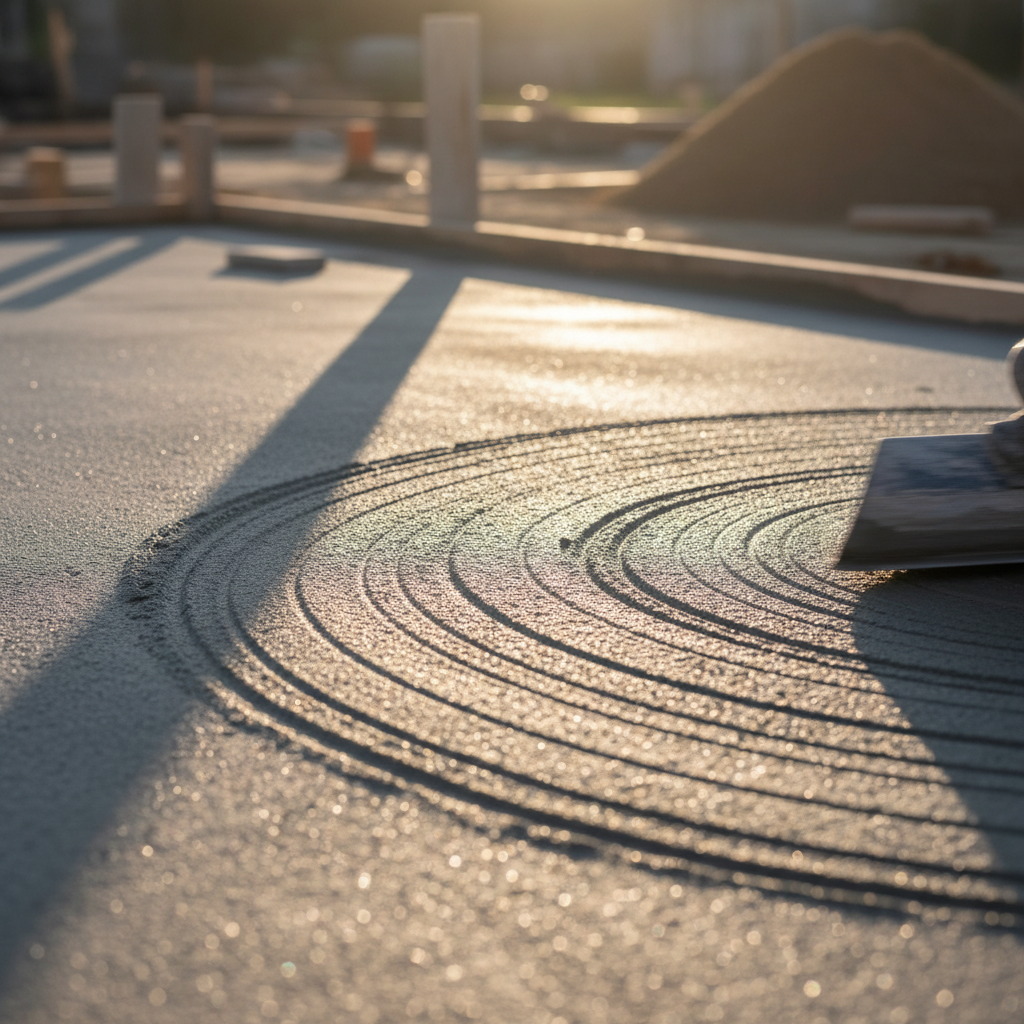
Understanding the financial commitment of a project starts with local data. In Utah, homeowners and developers should anticipate a poured concrete retaining wall cost Utah residents typically find between $25 and $45 per square foot. When calculating by linear footage, a standard residential wall ranging from 3 to 6 feet in height generally costs between $60 and $270 per linear foot. These figures encompass essential phases including excavation, forming, steel reinforcement, and the pour itself.
Measurement Type | Estimated Cost Range |
|---|---|
Per Square Foot | $25 – $45 |
Per Linear Foot (3' to 6' Height) | $60 – $270 |
Standard Total Project | $3,500 – $9,000 |
Complex Structural Builds | $50,000+ |
While the Salt Lake Valley often sees prices on the lower end of these spectrums due to flatter terrain and easier site access, regional variations are significant. In the Duchesne area and various foothill regions, costs often trend higher. Steep slopes, rocky soil, or heavy clay require specialized excavation equipment and more robust reinforcement to ensure long term stability. A project that serves as a simple garden terrace will vary greatly from critical structural enhancements designed to prevent hillside erosion or support a building foundation.
A 100 foot wall is often used as a benchmark for estimation; however, total project costs for standard residential walls usually fall between $3,500 and $9,000. For complex builds involving significant engineering, high verticality, or difficult tiered designs, budgets can exceed $50,000. Investing in high quality residential and commercial construction services ensures that these costs translate into a structure that survives the local environment without the need for frequent, expensive repairs. Soil conditions remain the most volatile variable in any estimate; a professional site assessment is the only way to move from a general range to a fixed project budget.
Poured Concrete vs. Block Walls: Why Utah Climate Demands Monolithic Strength
While block walls (CMU) often appeal to budget conscious developers due to an upfront cost that is typically $5 to $10 lower per square foot, the long term financial outlook in Utah tells a different story. The primary differentiator is structural integrity. Poured concrete is a monolithic system, meaning it is cast as one continuous, solid piece. In contrast, block walls rely on hundreds of mortar joints to hold individual units together.
In the Duchesne area, the climate poses a specific threat to these joints. Utah's extreme freeze-thaw cycles allow moisture to seep into the porous mortar between blocks. When that water freezes, it expands. This expansion creates micro-cracks that eventually lead to significant structural failure or moisture intrusion. Because a poured wall has no seams, it effectively eliminates these entry points for water, protecting the internal structural enhancements that keep the wall upright.
Duchesne Construction prioritizes durability and modern building technology to combat these regional environmental stressors. By utilizing high strength poured concrete rather than standard block, we provide a structure with superior lateral strength and longevity. This monolithic approach is central to our residential and commercial construction services. While the initial poured concrete retaining wall cost Utah residents pay may be slightly higher, the reduction in maintenance and the prevention of wall leaning or bowing make it the more efficient choice for long term performance.
Feature | Poured Concrete | Concrete Block (CMU) |
|---|---|---|
Structure | Monolithic (Single Piece) | Segmented (Mortar Joints) |
Moisture Resistance | High | Moderate to Low |
Freeze-Thaw Durability | Superior | Vulnerable at Joints |
Est. Cost (Utah) | $25 - $45 / sq ft | $20 - $35 / sq ft |
Critical Design Factors: The 4 Foot Rule and Engineering in Utah
Safety and structural compliance are determined largely by the dimensions of the project. In Utah, residential building codes generally state that any retaining wall exceeding four feet in height, measured from the bottom of the footer to the top of the wall, must be designed by a licensed professional engineer. This requirement ensures the structure can withstand the specific geostatic loads of the site. While engineering fees increase the initial poured concrete retaining wall cost Utah residents pay, they are a vital safeguard against catastrophic failure.
Proper embedment is the second pillar of a stable design. The 1/3 rule is a standard industry benchmark where one third of the wall's total height is positioned below the ground level. This depth provides the necessary leverage to anchor the wall against the lateral pressure of the soil. In the Duchesne area, the soil often consists of heavy, expansive clay or dense, rocky debris. These materials exert significant force, especially when saturated with water. Managing these loads requires precision installation techniques and targeted structural enhancements. By hiring professional residential and commercial construction services, property owners ensure their walls are engineered to handle these specific regional soil pressures rather than relying on guesswork.
Essential Footings and the Utah Frost Line Requirement
Building a wall that stands for decades requires more than just pouring concrete into a trench. The foundation of any durable structure is the concrete footer, a component that is absolutely non-negotiable in the Intermountain West. In Utah, local building codes and environmental realities dictate that footings must be placed below the frost line, which typically ranges from 42 to 48 inches deep depending on the specific elevation in Duchesne or surrounding areas.
Placing a footer above this line is a common failure point for DIY projects. When moisture in the soil freezes, it expands with immense force. This phenomenon, known as frost heave, can easily lift, tilt, or crack a wall that is not properly anchored. By ensuring the footer sits in stable, non-freezing soil, we prevent the ground from physically moving the structure.
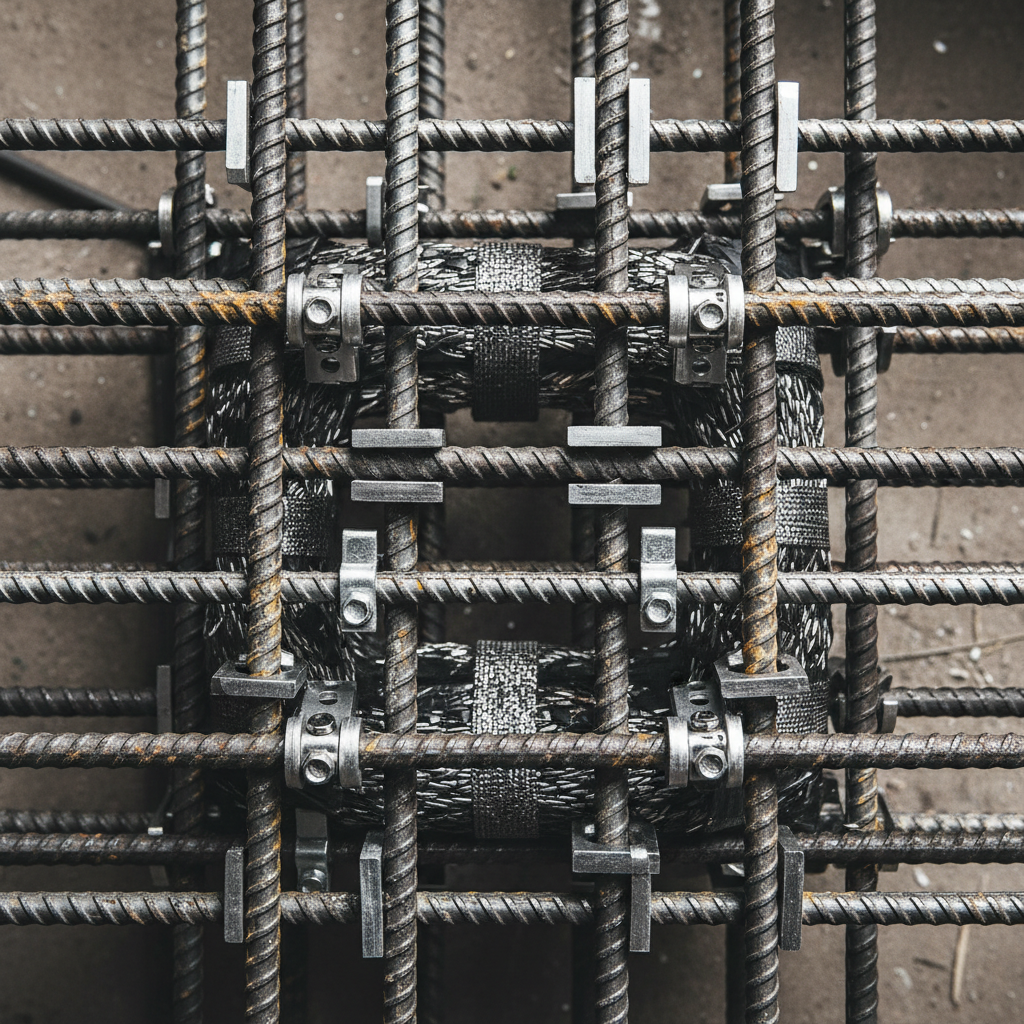
To achieve maximum structural integrity, the footing and the wall must function as a single unit. This is accomplished through the strategic use of steel reinforcement bars (rebar). Vertical rebar is embedded into the wet concrete of the footer and then tied to the horizontal cage of the wall itself. These structural enhancements ensure that the wall cannot separate from its base under lateral soil pressure. While deep excavation and heavy steel reinforcement increase the initial poured concrete retaining wall cost Utah residents might see on a quote, they are the only way to avoid the catastrophic expense of a total wall failure. For a detailed site evaluation regarding your project's specific depth requirements, you should contact Duchesne Construction.
Drainage and Backfill: Preventing Hydrostatic Pressure
Once the footing is secure, the focus shifts to managing the environment behind the concrete face. Understanding the physics of a retaining wall is critical for long term performance. While soil exerts pressure, hydrostatic pressure, the force created by trapped water, is the leading cause of structural failure. When rain or snowmelt saturates the soil behind a wall, the weight increases exponentially. In Utah, this pressure becomes destructive during winter when trapped moisture freezes and expands. Without proper structural enhancements to manage this water, even the strongest wall will eventually bow or crack.
A robust drainage system relies on specific components working in tandem. The process begins with a layer of filter fabric to prevent fine soil particles from clogging the drainage zone. The core of this strategy is the retaining wall drainage gravel backfill. This clean, crushed stone creates a high permeability zone that allows water to fall vertically toward a perforated drain pipe. This pipe, often integrated with weep holes through the concrete face, directs the water safely away from the foundation.
Investing in these subsurface components is a necessary part of the poured concrete retaining wall cost Utah property owners must account for to ensure longevity. Skipping these steps to save on initial labor or material costs often results in wall replacement within a decade. Duchesne Construction incorporates these precise residential and commercial construction services to ensure every build handles Utah’s rapid seasonal shifts without succumbing to moisture related decay.
Maximizing ROI with Advanced Surface Treatments and Coatings
Maximizing the return on investment for a project requires looking beyond the initial poured concrete retaining wall cost Utah homeowners face and focusing on the total lifecycle of the structure. Even with perfect drainage and a solid footer, raw concrete is inherently porous. In Utah’s climate, these microscopic pores act like sponges, pulling in snowmelt through capillary action. When that internal moisture freezes, it creates expansive pressure that leads to spalling, where the surface of the concrete flakes or pits. Over time, this surface degradation exposes the internal structural enhancements, accelerating decay.
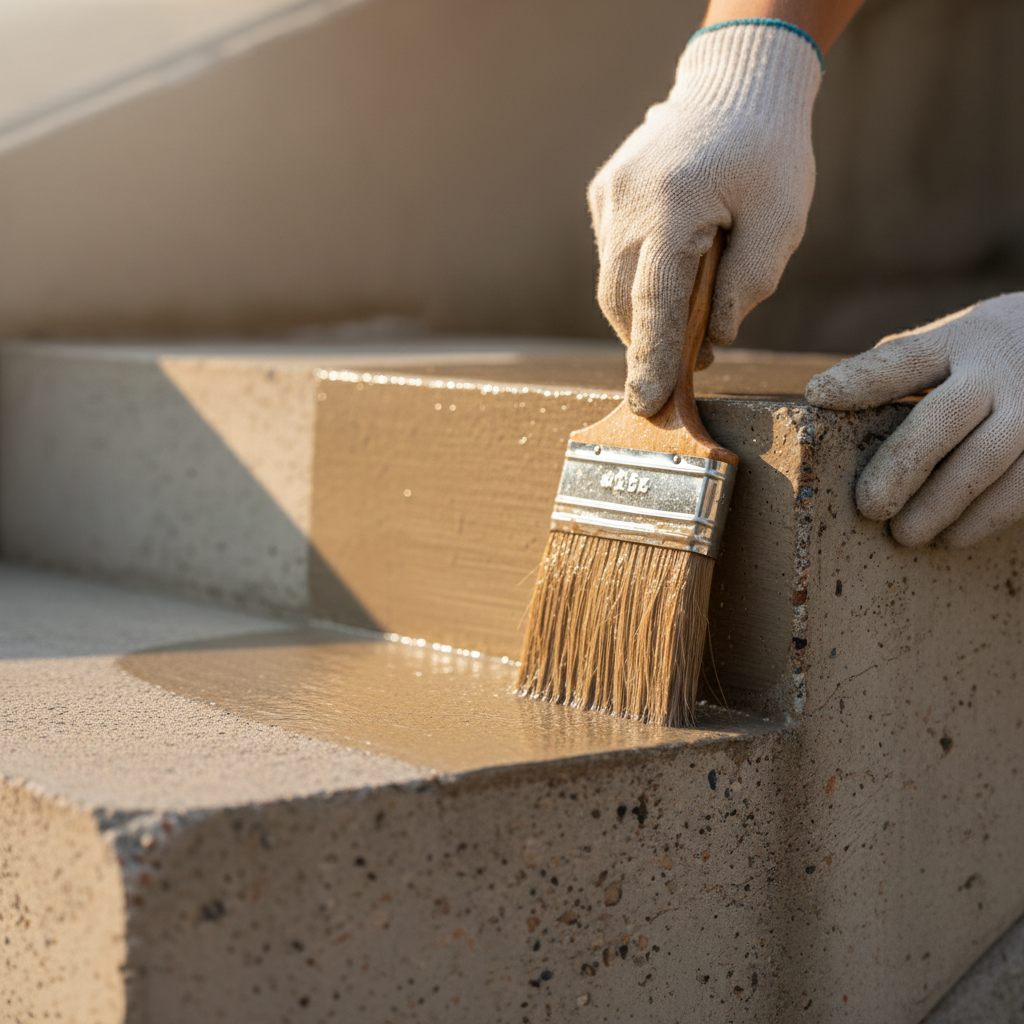
Duchesne Construction addresses this vulnerability by integrating advanced materials and protective coatings into the final phases of construction. Unlike standard retail sealers that sit on the surface and peel within a year, we utilize high performance penetrating treatments. These coatings chemically bond with the concrete to create a permanent moisture barrier. This barrier prevents water from entering the substrate while still allowing the material to breathe, which is essential for resisting the internal pressure of salt and mineral buildup common in Duchesne and the Uintah Basin.
Treatment Feature | Standard Concrete | Treated Concrete (Duchesne Method) |
|---|---|---|
Water Absorption | High | Near Zero |
Salt/Chloride Resistance | Poor | High |
Freeze-Thaw Resistance | Vulnerable to Spalling | Superior Surface Integrity |
Maintenance Frequency | 1 to 2 Years | 5 to 10+ Years |
Incorporating these treatments into your residential and commercial construction services significantly reduces long term maintenance costs. While it adds a modest amount to the upfront budget, it eliminates the need for frequent patching or structural resurfacing. For property owners looking to ensure their investment remains aesthetically pleasing and structurally sound for decades, you should contact Duchesne Construction to discuss the specific coatings recommended for your site’s exposure levels.
How Local Terrain Impacts Your Construction Estimate
Generic online calculators often fail to account for the specific geographic challenges found in the Uintah Basin. The actual poured concrete retaining wall cost Utah residents pay is heavily influenced by site accessibility. If a concrete truck cannot pull within reach of the pour, specialized pumping equipment is required, which increases daily equipment fees. The slope of your property also dictates the volume of excavation and the complexity of the formwork. Steeper inclines necessitate more robust structural enhancements to manage soil pressure during the construction phase.
Furthermore, the presence of underground utilities requires careful coordination and often slower, manual excavation to ensure safety. These regional variables, ranging from rocky soil to remote lot locations, mean that a flat rate per square foot is rarely accurate. For a precise bid that reflects the physical reality of your property, you should contact Duchesne Construction for a comprehensive on-site assessment. Our team evaluates these logistical factors early to provide transparent residential and commercial construction services without unexpected mid-project price spikes.
Understanding the costs and benefits of a poured concrete retaining wall helps you plan for a landscape that lasts for decades. While managing the project yourself is an option, Utah's unique terrain often requires a more specialized approach. If you want expert help navigating the local requirements and technical details, we are here to support your project. You can explore our comprehensive services to see how we bring durability and precision to every build. Investing in quality now ensures your property remains secure for years to come.