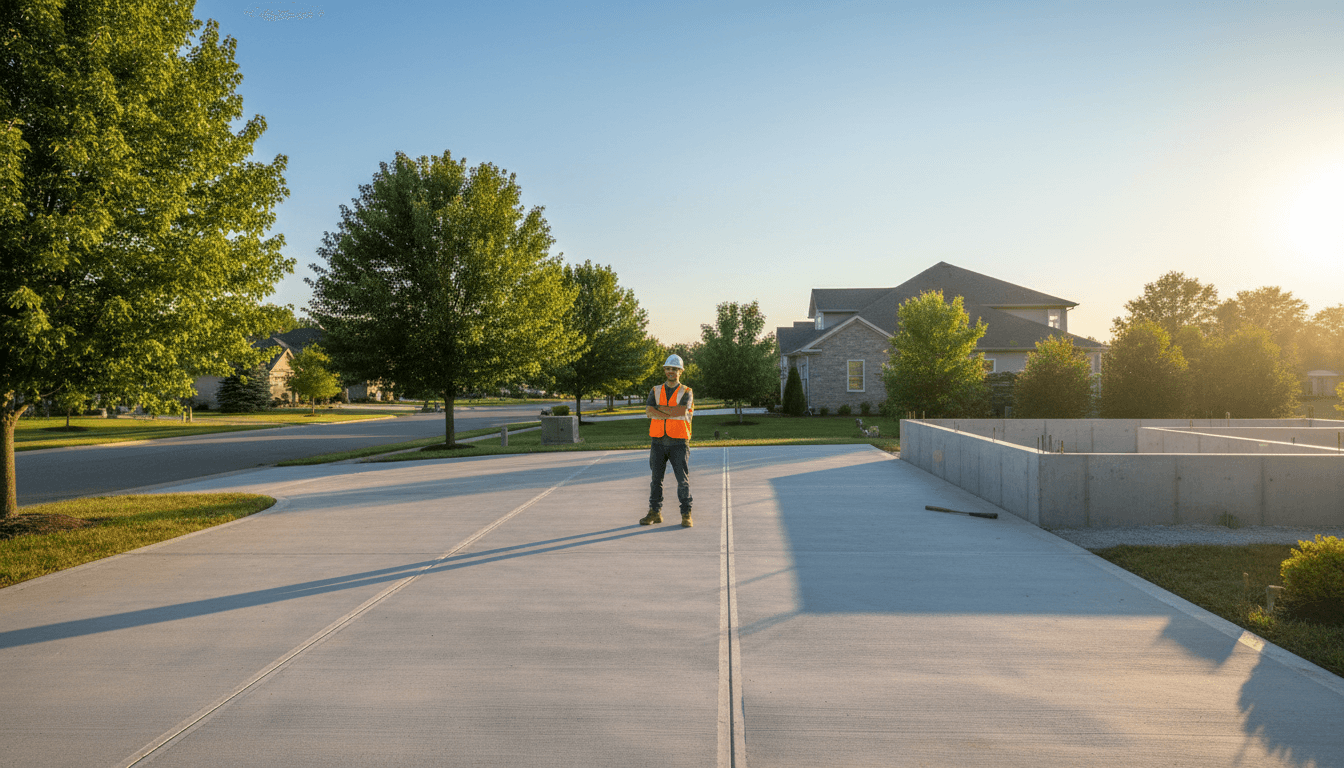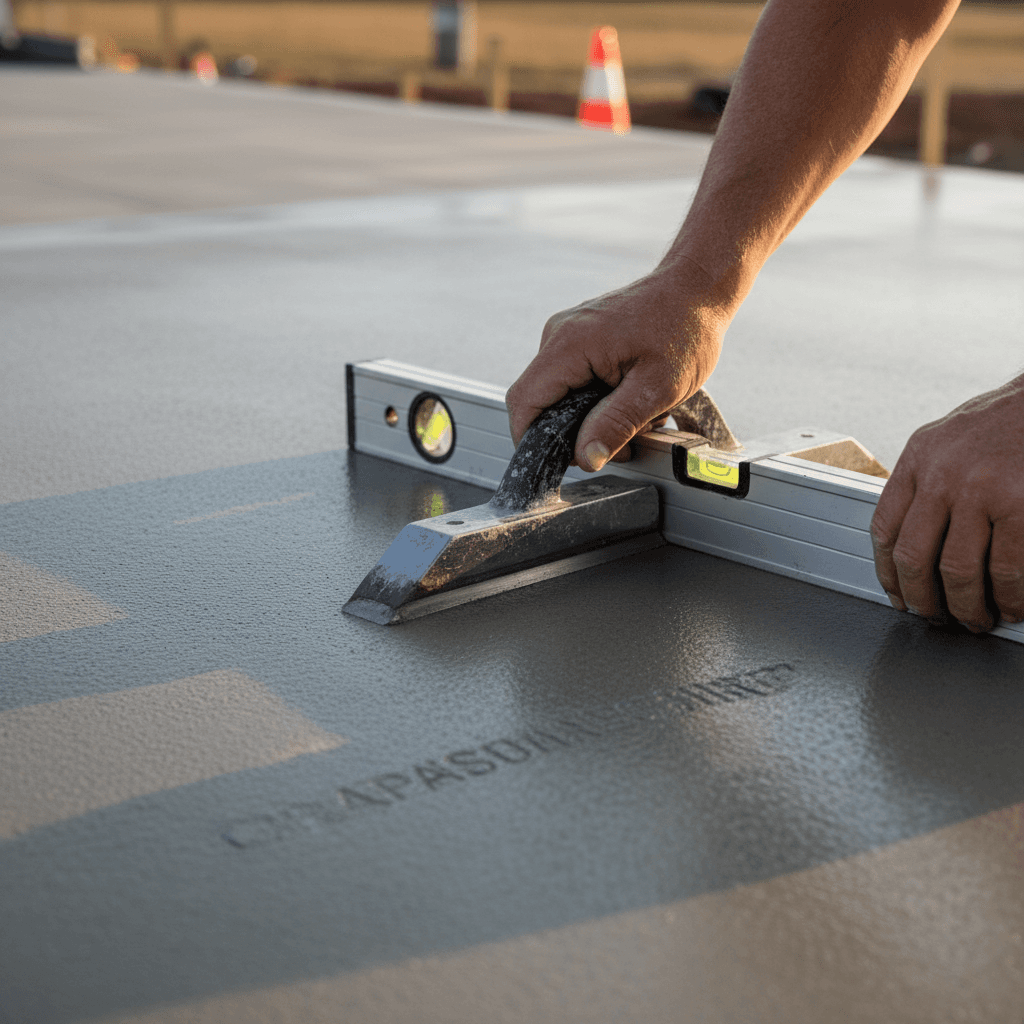
The average concrete driveway cost Utah typically ranges from $8 to $12 per square foot for a standard broom finish. Decorative options such as stamped or colored finishes increase the price to between $12 and $18 per square foot; total project costs often range from $4,000 to $10,000 depending on size and site preparation.
Replacing a driveway in Utah is a significant investment that often comes with sticker shock and hidden variables. Most homeowners struggle to balance the immediate financial commitment with the necessity of a surface that can survive our harsh high desert winters. At Duchesne Construction, we know that a low initial price often leads to expensive structural failures caused by the unforgiving freeze thaw cycle. This guide provides a practical breakdown of concrete driveway costs across the state, specifically tailored to our unique climate. You will learn about current price per square foot ranges, the critical role of reinforcement techniques, and how specific finishing choices impact both your curb appeal and your budget. We aim to equip you with the expert knowledge needed to choose a durable solution that stands the test of time.
Breaking Down the Concrete Driveway Cost per Square Foot in Utah
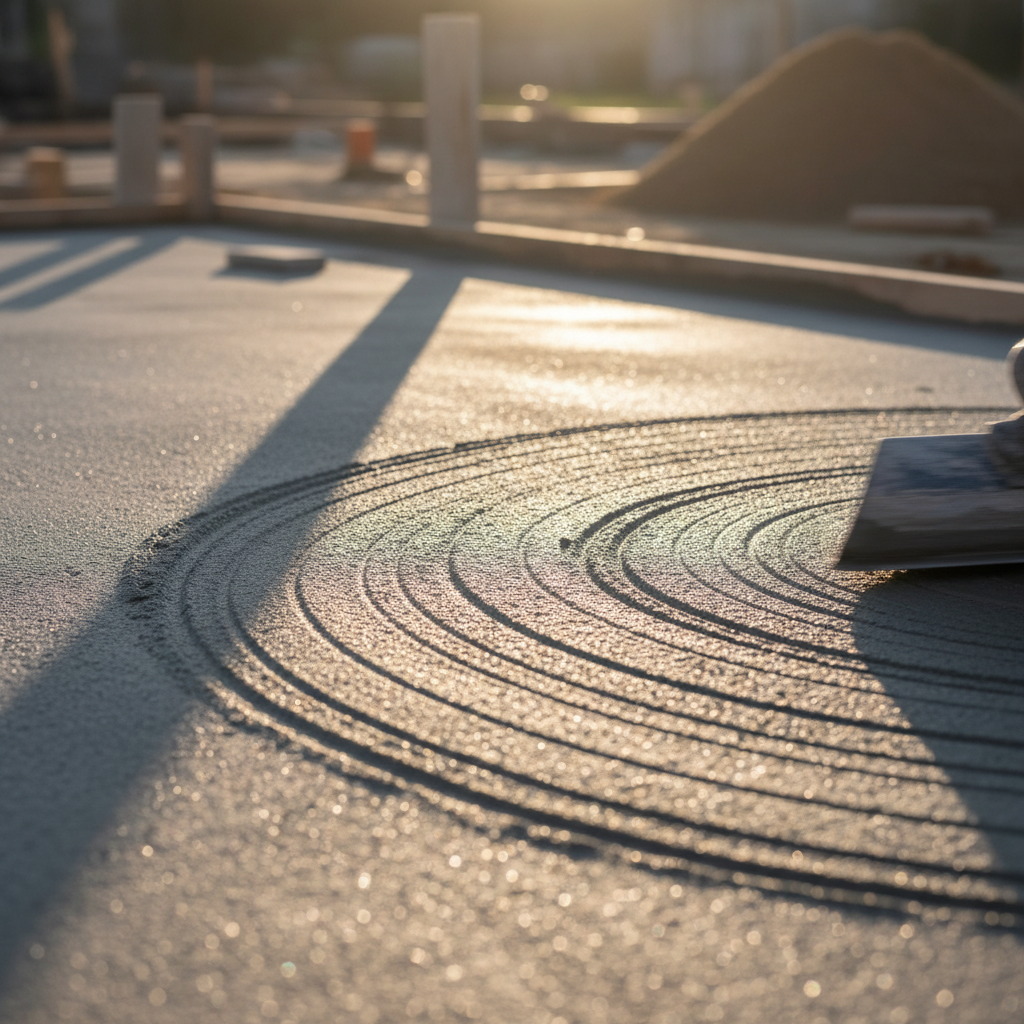
Estimating a concrete driveway cost in Utah requires looking beyond a single flat rate. Between 2024 and 2026, the baseline for a professionally installed, broom-finish slab generally ranges from $8 to $12 per square foot. For homeowners looking for aesthetic upgrades like integral colors or stamped patterns, the price typically moves into the $12 to $18 per square foot range. These figures cover the raw materials, standard site preparation, and the technical labor required to achieve a durable finish that stands up to local weather.
Thickness is a primary driver of both material cost and structural integrity. A standard 4-inch slab is sufficient for passenger vehicles, but many property owners in rural Utah opt for 6-inch slabs. This thicker pour is essential for supporting heavy equipment, horse trailers, or RVs. Increasing the slab thickness from 4 to 6 inches usually adds about 20% to 30% to the concrete material cost alone, as it requires significantly more yardage to fill the forms.
Driveway Feature | Estimated Cost per Sq. Ft. (2024-2026) | Recommended Application |
|---|---|---|
Basic Broom-Finish | $8 – $12 | Standard residential use; high slip resistance |
Stamped or Colored | $12 – $18 | High-end curb appeal; decorative entries |
6-inch Heavy-Duty | Base + $2 – $4 | RV parking; agricultural equipment; heavy trucks |
While Salt Lake City averages are often used as a benchmark, project locations in Duchesne and throughout the Uintah Basin face unique logistical factors. Material hauling distances from local batch plants influence the final quote, as fuel surcharges and travel time for specialized crews impact the bottom line. Furthermore, proximity to a batch plant is a technical necessity; concrete begins its chemical curing process the moment it is mixed. In remote parts of Duchesne County, the logistics of timing the delivery so the concrete arrives with the correct slump and workability is a challenge that experienced providers of residential and commercial construction services must manage carefully. This localized coordination ensures a higher quality pour that is specifically suited for the Basin's environment.
Factors That Influence Your Total Project Investment
Moving beyond the cost per yard of concrete, homeowners must account for the groundwork that precedes the pour. Tearing out an old, cracked asphalt or concrete driveway generally costs between $2 and $6 per square foot. This price includes the heavy equipment labor required to break up the material and the hauling fees to transport debris to a disposal site. In many Duchesne County renovations, this stage is where hidden issues, such as old utility lines or unstable pockets of soil, are often discovered.
Site preparation is the most critical phase for long term performance. In the Uintah Basin, soil conditions vary significantly, and the local expansive clay requires careful management. Proper preparation involves excavating unsuitable organic material, backfilling with engineered road base, and utilizing mechanical compaction to reach specific density requirements. Without a dense, uniform sub-base, the driveway will eventually settle, leading to structural cracks regardless of the concrete quality. Furthermore, precision grading for drainage is non-negotiable. Directing water away from the home foundation and the slab prevents moisture from pooling, which is a leading cause of sub-grade erosion.
To visualize the total concrete driveway cost Utah homeowners might face, consider two common project sizes. A standard 20x20 driveway, totaling 400 square feet, typically falls between $4,000 and $6,000 for a professional installation. For larger residential properties or commercial shops requiring a 30x40 footprint, which is 1,200 square feet, the total investment often exceeds $10,000. These totals fluctuate based on the amount of grading required and existing site conditions. To get a precise figure for your specific layout and soil type, you can request a driveway estimate to account for local hauling and material specifications.
The Utah Freeze Thaw Factor: Why Durability Matters More Than Initial Price
Utah experiences some of the most aggressive environmental stress in the country. The Uintah Basin specifically undergoes rapid temperature swings where daytime melt infiltrates the concrete only to freeze and expand overnight. Because water expands by roughly 9 percent when it freezes, it generates immense internal pressure within the concrete matrix. In a standard, high-porosity pour, this cycle inevitably leads to spalling, a condition where the top layer of the driveway flakes away, and deep structural cracking that compromises the sub-base.
When homeowners evaluate the concrete driveway cost Utah contractors provide, the initial price often reflects the quality of the mix and the protection level. A cheaper pour typically lacks the air-entrainment levels or chemical admixtures necessary to resist moisture absorption. At Duchesne Construction, we mitigate these risks by integrating modern building technology into every project. We focus on low-permeability mixes and advanced protective coatings that act as a barrier against water intrusion.
Feature | Standard Budget Pour | Duchesne High-Performance Pour |
|---|---|---|
Air Entrainment | Minimal or inconsistent | Optimized for Utah freeze-thaw cycles |
Moisture Barrier | Often skipped | Integrated protective coatings |
Surface Finish | Basic broom only | Enhanced treatments to prevent spalling |
Expected Lifespan | 10 to 15 years before major repair | 30 to 40+ years with proper care |
Understanding how Utah's freeze thaw cycles damage concrete is vital for long-term financial planning. A basic installation might save money upfront, but the cost of premature replacement or extensive surface repairs far exceeds the initial investment in higher-grade materials. We prioritize precision installation techniques that ensure reinforcement is placed correctly and surfaces are treated to repel moisture, ensuring the structure remains stable through decades of harsh winters.
Concrete vs Asphalt for Utah Climates: A Long Term Comparison
Selecting the right paving material requires weighing immediate savings against long term performance. In the Uintah Basin, asphalt is often considered for its lower entry point, typically ranging from $4 to $7 per square foot. However, the extreme temperature variance in Duchesne presents significant challenges for oil-based surfaces. During intense summer heat, asphalt softens; this leads to rutting from heavy vehicles and the tracking of sticky oils into the home. Furthermore, asphalt requires biennial sealing to prevent the binder from oxidizing and becoming brittle.
Feature | Asphalt Driveway | Concrete Driveway |
|---|---|---|
Initial Cost (per sq. ft.) | $4 – $7 | $8 – $12+ |
Life Expectancy | 12 – 20 years | 30 – 40+ years |
Maintenance Frequency | Seal every 2 years | Seal every 3 – 5 years |
Summer Performance | Softens; retains high heat | Stays rigid; reflects heat |
By contrast, a professionally installed concrete driveway offers a lifespan of 30 to 40 years. It provides a rigid, light colored surface that reflects sunlight and remains stable under pressure. While the concrete driveway cost Utah property owners pay is higher at the start, the total cost of ownership is lower. Concrete requires far less frequent maintenance and significantly boosts property value. For those investing in residential and commercial construction services, choosing concrete ensures a durable, clean aesthetic that withstands the high UV exposure and thermal shifts characteristic of our region.
Advanced Reinforcement and Finishing Techniques for Structural Longevity
The longevity of a driveway is determined long before the finish is applied. While a standard 4 inch slab serves many residential needs, property owners in the Uintah Basin often require more robust specifications. For driveways accommodating heavy trucks, horse trailers, or RVs, a 6 inch thickness is a superior investment. This extra depth significantly increases load bearing capacity, preventing the structural failures often seen when thinner slabs are subjected to heavy agricultural or recreational equipment.
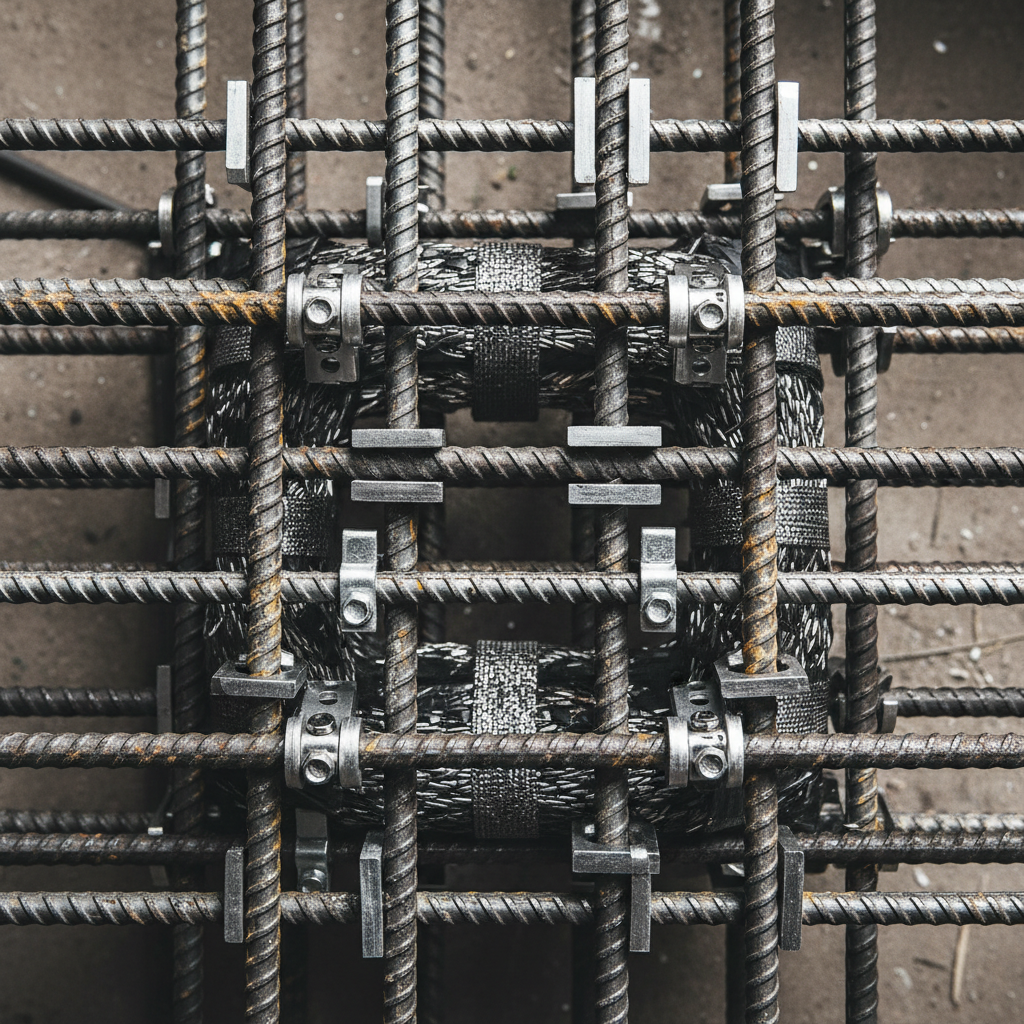
Internal reinforcement is equally vital. We evaluate the use of traditional rebar grids versus fiber reinforced concrete based on the specific site requirements. Rebar provides critical tensile strength to bridge small sub-grade shifts, while macro-fiber additives help control plastic shrinkage and provide secondary reinforcement throughout the entire slab. By integrating modern building technology, such as high performance moisture resistant barriers beneath the pour, we prevent water from wicking up through the soil and attacking the concrete from below.
This precision installation is a cornerstone of our residential and commercial construction services. We ensure that the reinforcement is positioned at the correct depth within the slab, rather than resting on the ground, which is a common shortcut that reduces the lifespan of the project and drives up the long term concrete driveway cost Utah homeowners face. By focusing on these technical details during the pour, we create a structure that resists the internal stresses of our unique climate.
Protecting Your Investment: Surface Treatments and Maintenance
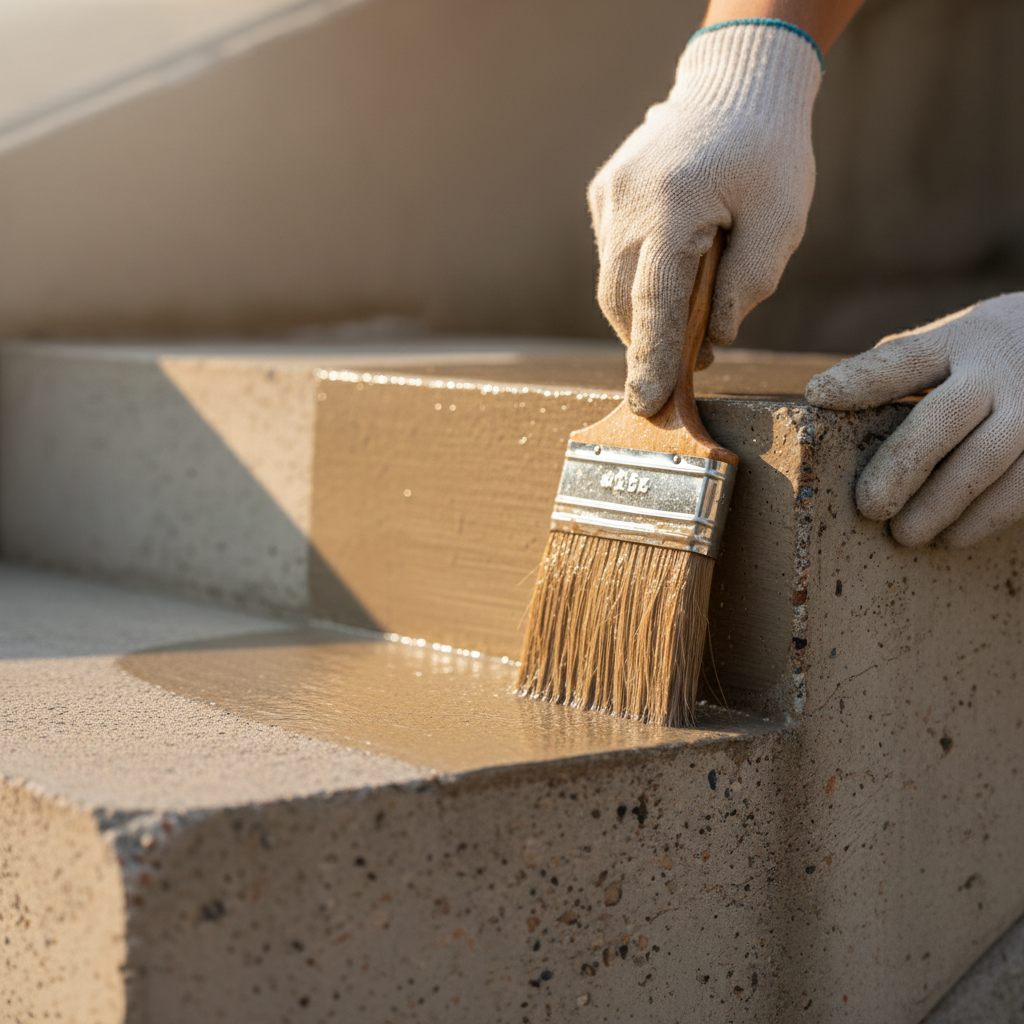
The final phase of any project involves securing the surface against the elements. Penetrating sealers are particularly effective in Utah; they react chemically within the concrete pores to block moisture absorption without altering surface traction. Film forming coatings, by contrast, create a physical barrier on top of the slab that offers a glossy finish but may require more frequent maintenance in high traffic areas. Our residential and commercial construction services include the application of these advanced treatments to ensure your slab remains impermeable to the brine and salts common on Uintah Basin roads.
Homeowners can maximize their investment by following a consistent maintenance cycle. While the initial concrete driveway cost Utah residents pay covers the installation, simple aftercare prevents the need for expensive repairs a decade later. A proactive schedule is the most cost effective way to reach a forty year service life.
Maintenance Task | Frequency | Purpose |
|---|---|---|
Surface Rinsing | Seasonally (Spring/Fall) | Removes corrosive salts and debris |
Crack Inspection | Annually | Identifies areas for immediate caulking |
Professional Re-sealing | Every 3 to 5 years | Replenishes the moisture barrier |
Staying diligent with these intervals protects the structural integrity of the concrete. A well maintained driveway not only looks better but also avoids the internal pressure build up that causes surface spalling during our harsh winter months.
Investing in a new driveway is a significant decision for any Utah homeowner. By understanding local pricing and the durability factors unique to our climate, you can make a choice that lasts for decades. While DIY planning is a great start, the technical aspects of grading and pouring require precision. If you want expert help to ensure your project is completed correctly, we invite you to explore our Services to see how we can assist. Our team is ready to help you build something that stands the test of time.