Foundation crack repair becomes essential when cracks exceed 1/8 inch or form dangerous stair step patterns, as these often indicate structural shifts. Repair costs depend on the severity of the damage, ranging from simple polyurethane injections for sealing to more intensive piering for foundation stabilization. Homeowners in Duchesne should watch for wide gaps and water intrusion to determine the best timing and method for professional intervention.
Finding a new fissure in your home's foundation often triggers a sense of immediate concern; even a minor gap can signal deeper structural instability. In the high desert climate of Duchesne, where expansive soils and shifting temperatures exert constant pressure on concrete, ignoring these signs is a risk few homeowners can afford. Understanding the difference between a cosmetic settling crack and a major structural failure is essential for protecting your property value and long term safety. This guide provides an expert look at the critical 1/8 inch rule and the specific implications of horizontal versus vertical cracking. We will also examine the latest stabilization techniques, ranging from polyurethane injections to slabjacking, while providing a realistic breakdown of local repair costs and insurance considerations. By the end of this article, you will have the practical knowledge needed to address your foundation concerns with confidence.
Understanding Foundation Cracks in the Utah High Desert
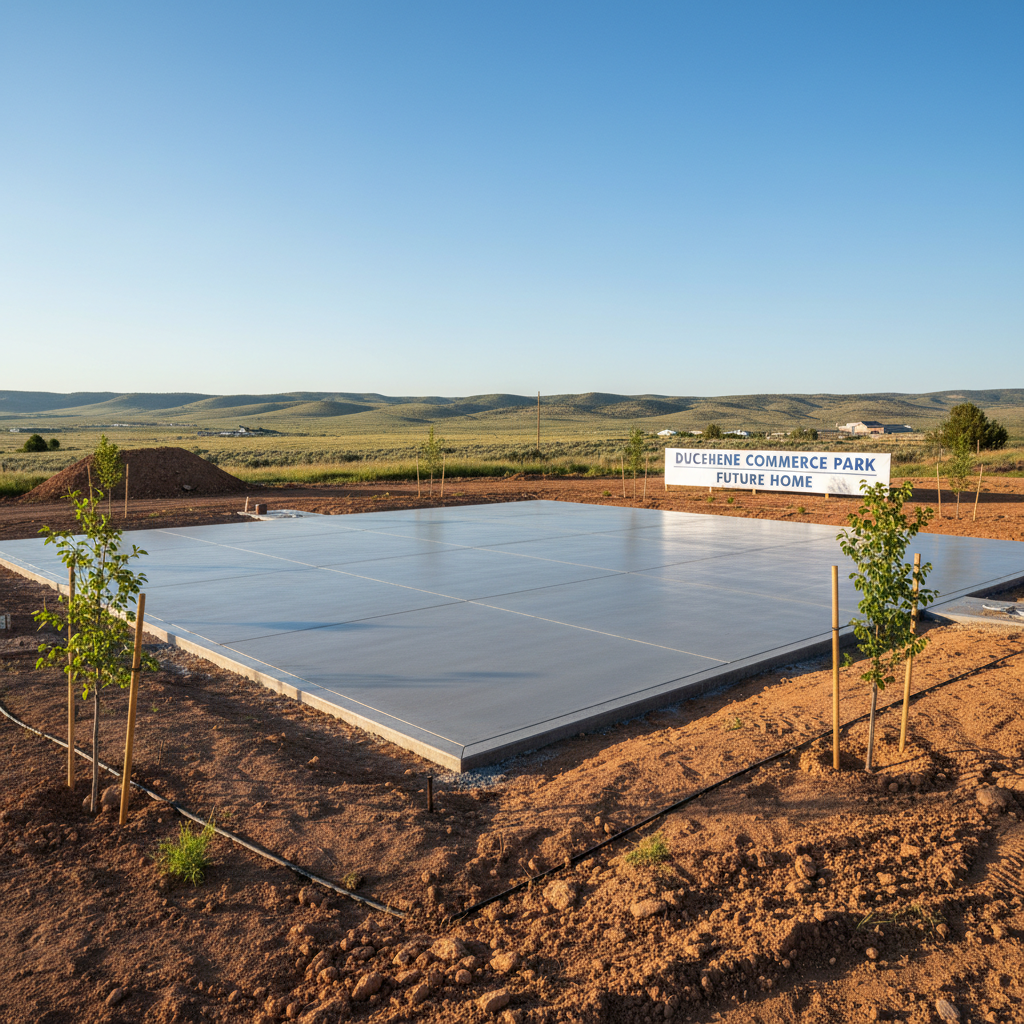
Living in the Utah high desert places specific physical demands on residential and commercial structures. Duchesne experiences significant temperature fluctuations and aggressive freeze thaw cycles that force the soil to expand and contract repeatedly. This constant movement creates intense lateral and vertical pressure on concrete footings and walls. Over time, these environmental stresses can manifest as visible fissures in your foundation.
At Duchesne Construction, our approach to foundation crack repair and construction relies on modern building technology and advanced materials. We focus on durability by utilizing protective coatings and precision installation techniques to mitigate moisture intrusion and surface degradation. While seeing a new gap in your concrete is concerning, it is important to remember that not every fissure indicates a structural failure. Many instances are the result of standard concrete shrinkage or minor settling. Understanding the difference between a cosmetic blemish and a structural threat is the first step in maintaining your property’s long term performance.
The 1,8 Inch Rule: How to Tell if a Foundation Crack is Serious
Determining if a fissure requires immediate foundation crack repair often comes down to a single measurement: 1/8 inch. Small hairline cracks, which measure less than this threshold, are frequently a byproduct of initial concrete shrinkage or minor settling during the structure's early years. As concrete cures, it naturally loses moisture and contracts, creating tiny gaps that, while unsightly, usually do not compromise the integrity of the wall.
If a crack exceeds 1/8 inch in width, it typically signals active structural movement rather than simple curing. These wider gaps suggest that the foundation is being pulled apart by soil shifts or external pressures common in the Duchesne area. To track these changes, you can use a dedicated crack gauge or a simple household nickel. A standard U.S. nickel is approximately 1/16 inch thick; if you can easily insert the edge of a nickel into the crack, it is nearing the threshold of concern. If the gap is wide enough to accommodate the full thickness of two nickels, the structural displacement is significant.
Monitoring these gaps over several months is essential for identifying active movement. If you notice a crack widening, lengthening, or beginning to admit moisture, it is time to contact Duchesne Construction for an evaluation. While we provide reliable residential and commercial construction services that emphasize durability, catching these issues at the 1/8 inch mark allows for simpler precision installation techniques during the repair process before the damage escalates into a larger structural failure.
Directional Warning Signs: Horizontal, Vertical, and Stair Step Cracks
While width is a primary indicator, the orientation of a fissure provides critical data regarding the forces acting upon your home. In Duchesne, the way a crack presents itself often reveals whether the issue is simple settlement or a more complex structural failure requiring professional foundation crack repair.
### Vertical and Diagonal Cracks Vertical cracks are the most common variety found in residential foundations. These often occur as a result of the concrete curing or minor vertical settling of the footer. If the crack is relatively straight and uniform in width, it typically poses less of an immediate threat. Diagonal cracks, often appearing at a 45 degree angle, suggest differential settlement where one part of the foundation is moving while the adjacent section remains stable. These are frequently seen near the corners of windows or where a home addition meets the original structure.
### Horizontal Cracks A horizontal crack is a significant red flag. These fissures indicate that the foundation wall is bowing inward due to hydrostatic pressure. This occurs when the soil surrounding the foundation becomes saturated and expands, exerting massive lateral force against the concrete. Unlike vertical cracks that result from downward movement, horizontal cracks suggest a potential for total wall failure. These require immediate professional attention to stabilize the structure before the bowing becomes irreversible.
### Stair Step Cracks In block or brick foundations, movement often manifests as a stair step pattern following the mortar joints. This typically signifies that a specific corner or section of the building is sinking into unstable soil. Because the crack follows the weakest point (the mortar) rather than the block itself, it highlights localized settlement that needs to be addressed at the soil level.
### Secondary Symptoms Homeowners often ask: how to tell if a foundation crack is serious? Beyond the concrete itself, you should look for systemic symptoms throughout the building. If you notice doors that suddenly stick in their frames, gaps appearing between the crown molding and the ceiling, or floors that feel slightly unlevel, the foundation movement is likely progressing. These secondary signs, combined with cracks wider than 1/8 inch, confirm that the structural integrity is compromised. When these symptoms appear, reliable residential and commercial construction services are necessary to diagnose the root cause and implement precision installation techniques for long term stabilization.
Modern Repair Methods: Epoxy versus Polyurethane Injection
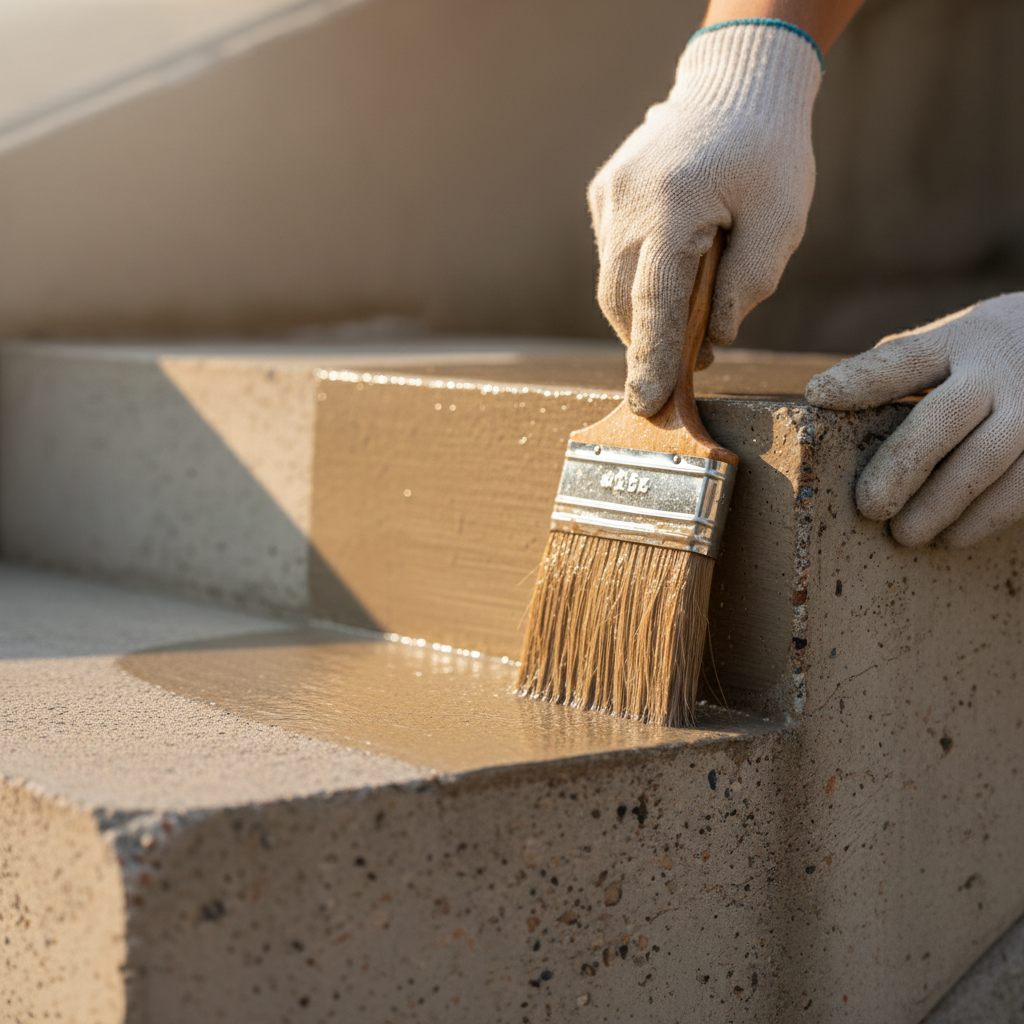
Once you identify a crack that exceeds the 1/8 inch threshold or shows directional warning signs, the next step involves choosing a repair medium that matches the specific needs of the concrete. Low pressure injection is the standard for non-invasive repair, but the choice between epoxy and polyurethane depends entirely on the environment and the structural goals.
Epoxy injection acts as a structural weld. When injected into a dry, non-leaking crack, the epoxy resin cures into a material that is often stronger than the surrounding concrete itself. This method effectively bonds the two sides of the fissure back together, restoring the monolithic integrity of the wall. It is the preferred choice for structural cracks where restoring strength is the primary objective and the area is free from active moisture.
Polyurethane injection serves a different but equally vital purpose. Known as a hydrophilic or hydrophobic grout, this material expands upon contact with water, filling the entire void of the crack. Because it remains flexible after curing, it is the gold standard for sealing cracks that are actively leaking or located in areas subject to minor thermal movement. This flexibility allows the seal to remain intact even as the Utah high desert temperatures cause slight shifts in the foundation.
Feature | Epoxy Injection | Polyurethane Injection |
|---|---|---|
Primary Benefit | Structural strength restoration | Waterproofing and flexibility |
Material Properties | Rigid, high-bond strength | Flexible, expands to fill voids |
Best Use Case | Dry, structural cracks | Leaking cracks or shifting soil |
Cure Time | Several hours | Rapid expansion and cure |
At Duchesne Construction, we select repair materials based on a site-specific assessment of moisture levels and soil stability. By applying precision installation techniques and advanced surface treatments, we ensure the repair matches the long-term demands of the structure. Our team provides reliable residential and commercial construction services for both new builds and retrofits, focusing on solutions that resist future degradation.
Major Structural Stabilization: Piering and Slabjacking
Injection methods effectively seal or weld the concrete, but they do not address the environmental cause of the movement. If the soil beneath the footing is shifting or collapsing, the crack is merely a symptom of a deeper soil failure. For these cases, we utilize major structural stabilization to restore the building’s integrity.
Piering involves the installation of steel or helical piers driven deep into the ground until they reach stable soil or bedrock. These piers serve as structural pillars that transfer the weight of the building away from the unstable high desert topsoil. This process allows us to lift and support the home, correcting the settlement that caused the initial damage. While an injection acts as a localized foundation crack repair, piering solves the underlying soil instability.
Slabjacking, or mud-jacking, is used to raise sunken concrete slabs such as driveways or garage floors. We pump a dense material through small drill holes to fill the voids underneath, hydraulically lifting the slab back to its original grade. We employ these precision installation techniques to ensure long-term performance.
Method | Application | Primary Function |
|---|---|---|
Piering | Foundation footings and load-bearing walls | Transfers weight to deep, stable strata |
Slabjacking | Flatwork, garage floors, and patios | Fills sub-surface voids to level slabs |
For property owners facing significant settlement, our reliable residential and commercial construction services provide the heavy-duty stabilization needed to protect the structure. If you notice sinking sections of your home, contact Duchesne Construction for an evaluation to determine if piering or slabjacking is required.
Foundation Crack Repair Costs in Duchesne
Estimating the investment for foundation crack repair requires a clear understanding of the damage severity. In Duchesne, the cost is largely determined by whether the issue is a localized surface breach or a systemic soil failure. For simple non-structural or localized leaking cracks, low-pressure injection using epoxy or polyurethane typically ranges from $500 to $1,500 per crack. This covers the specialized materials and the labor required to seal the void and prevent further moisture intrusion.
When the foundation requires major structural stabilization, the scope and pricing increase significantly. Piering, which addresses deep soil instability by transferring the weight of the building to stable strata, generally ranges from $1,200 to $3,000 per pier. A full stabilization project involving multiple piers can reach between $15,000 and $30,000 depending on the perimeter of the building and the depth of the bedrock.
Repair Type | Estimated Cost Range | Primary Cost Driver |
|---|---|---|
Injection (Epoxy/Poly) | $500 – $1,500 per crack | Length and accessibility |
Piering (Steel/Helical) | $1,200 – $3,000 per pier | Depth to stable soil |
Major Stabilization | $15,000 – $30,000 | Total building footprint |
Slabjacking | ~$150 per drill hole | Void volume under slab |
Securing reliable residential and commercial construction services at the first sign of movement is the most effective way to control these expenses. Applying precision installation techniques to a minor 1/8 inch crack for $1,000 prevents that same issue from evolving into a $20,000 structural overhaul. If you are noticing new gaps in your masonry, contact Duchesne Construction for an evaluation to catch the problem before it requires heavy-duty intervention.
Does Homeowners Insurance Cover Foundation Crack Repair?
Standard homeowners insurance policies typically exclude foundation crack repair caused by routine environmental factors. In the Duchesne area, the most common causes of damage, such as soil expansion, hydrostatic pressure, and natural settling, are categorized under earth movement or wear and tear. Insurance carriers generally view these as maintenance issues rather than sudden accidents. Consequently, if your foundation fails due to poor drainage or the high desert's freeze thaw cycles, you will likely be responsible for the repair costs out of pocket.
Coverage generally only applies if the damage results from a specific covered peril. This might include a sudden internal plumbing failure that causes immediate soil erosion or a specific type of building collapse defined in your policy documents. To gain extra protection, some property owners purchase specific foundation riders or earthquake endorsements that explicitly cover structural shifts. Before structural issues escalate, you should contact Duchesne Construction for an evaluation to determine the root cause of movement. Investing in reliable residential and commercial construction services early can prevent the need for expensive insurance claims that may ultimately be denied.