The typical concrete patio cost ranges from $4 to $26 per square foot, with most homeowners paying between $1,580 and $4,465 for a professional installation. High-end decorative options like stamped concrete can increase prices to between $15 and $30 per square foot. Total project expenses are ultimately determined by the patio's size, the complexity of the finish, and local labor requirements.
Investing in a new outdoor living space often begins with excitement, but it quickly turns into frustration when homeowners encounter vague estimates and hidden fees. In the Uintah Basin, the stakes are even higher. A poorly planned project can easily fall victim to our unforgiving freeze-thaw cycles, leading to early deterioration. At Duchesne Construction, we believe transparency is the foundation of a successful build. Understanding the true cost of a concrete patio involves more than just a price per square foot; it requires a strategic look at material longevity and regional environmental demands. This guide provides a definitive breakdown of 2026 pricing for standard and stamped finishes, examines the total cost of ownership for popular 20x20 layouts, and evaluates how concrete stands up against pavers in the Utah climate. You will gain the clarity needed to make an informed investment that enhances your home’s long-term value.
The Real Cost of a Concrete Patio in Utah for 2026
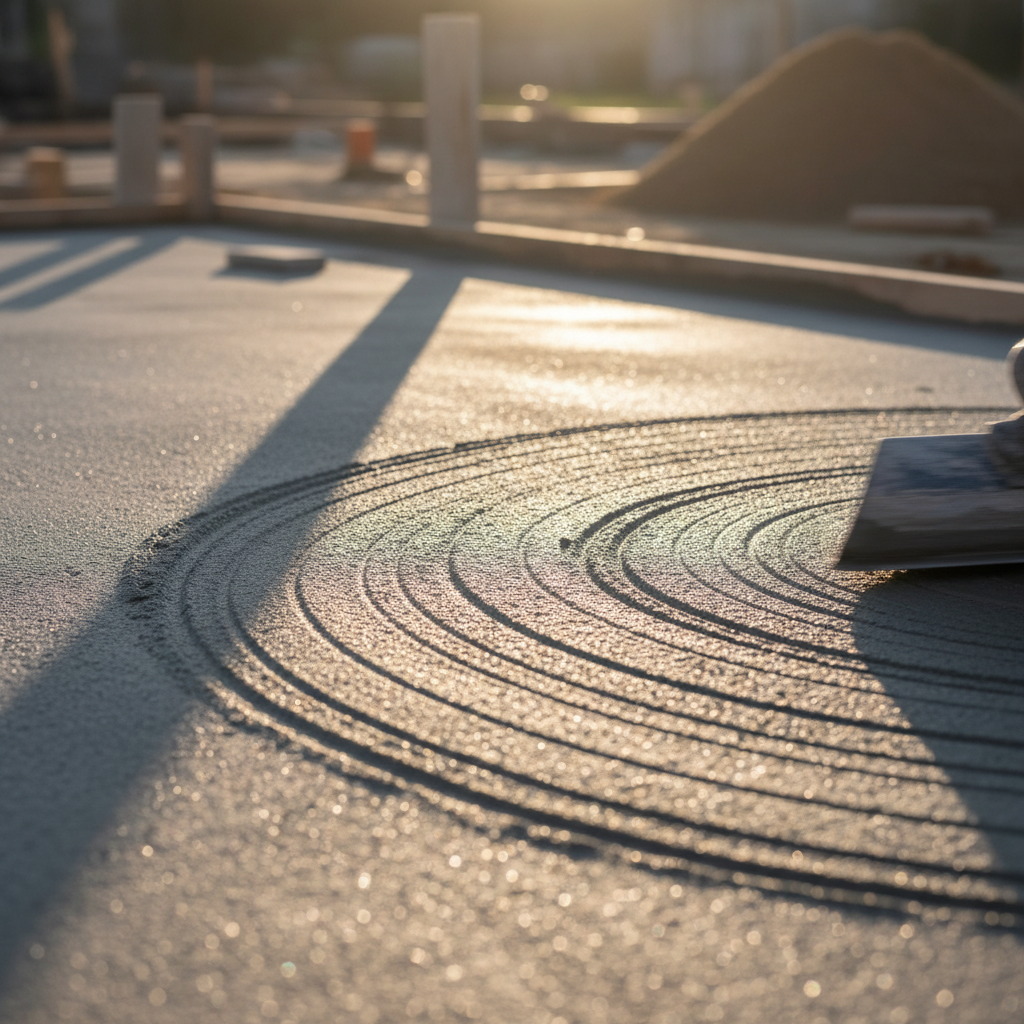
Estimating the investment for a new outdoor living space requires a look at both national trends and regional realities. For 2026, the national average concrete patio cost typically spans from $5 to $18 per square foot. In the Uintah Basin, several local factors shift these numbers. High desert soil compositions often demand specialized sub-grade preparation to prevent shifting; additionally, the logistical costs of freight for materials in rural Utah can influence the final quote.
At Duchesne Construction, we categorize projects by finish and preparation complexity. A standard broom finish provides a clean, slip-resistant surface at the lower end of the pricing spectrum. Decorative options, including stamped patterns or integrated colors, require more labor and premium materials, which increases the per-square-foot rate.
Project Type | Estimated Cost Per Sq. Ft. | Typical Project Total |
|---|---|---|
Basic Broom Finish | $6 - $10 | $3,000 - $4,500 |
Enhanced Reinforced | $10 - $14 | $4,500 - $6,000 |
Decorative/Stamped | $14 - $20 | $6,000 - $8,000+ |
Most local residential installations currently range between $3,000 and $8,000. The specific price often depends on site preparation requirements, such as clearing existing vegetation or leveling uneven terrain. While basic pours are common, we focus on providing residential and commercial construction services that prioritize structural integrity through advanced materials. For a breakdown of how these costs apply to your specific lot, you can contact our team for a custom quote to evaluate your site soil and drainage needs before the pour begins.
Pricing by Finish: Standard vs Stamped Concrete Patio Cost
The aesthetic choice you make for the surface texture significantly influences the final concrete patio cost. A standard broom finish remains the most frequent choice for utilitarian spaces; it involves pulling a specialized broom across the wet concrete to create a slip-resistant, textured surface. This method is efficient and cost-effective, but homeowners looking to elevate their property’s curb appeal often transition to decorative options.
Stamped concrete requires a more intensive labor process. Our crews must precisely time the application of color hardeners and release agents before pressing heavy rubber mats into the surface to mimic stone, slate, or wood plank textures. Because this requires specialized tooling and a narrow window of workability, the local rate for stamped finishes typically ranges from $8 to $18 per square foot. While this is a step up from basic pours, it represents a substantial value when compared to high-end masonry.
Finish Type | Complexity | Estimated Cost Per Sq. Ft. | Durability Level |
|---|---|---|---|
Broom Finish | Low | $6 - $10 | High |
Stamped / Decorative | High | $8 - $18 | High (with sealing) |
Natural Stone Pavers | Very High | $25 - $50 | Variable |
In many cases, Duchesne Construction recommends stamped concrete as a cost-effective alternative to individual pavers. Pavers can easily reach $25 to $50 per square foot due to the exhaustive manual labor required to set each stone. By choosing a stamped monolithic pour, you achieve the same high-end look with better structural stability. Our approach to residential and commercial construction services emphasizes precision during these decorative installations. We focus on moisture-resistant surface treatments and advanced curing methods to ensure that stamped textures resist the surface degradation and pitting often caused by the harsh winters in the Uintah Basin. To see samples of these textures in person, you can contact our team for a custom quote and a physical consultation.
Popular Patio Sizes: How Much for a 20x20 Concrete Patio?
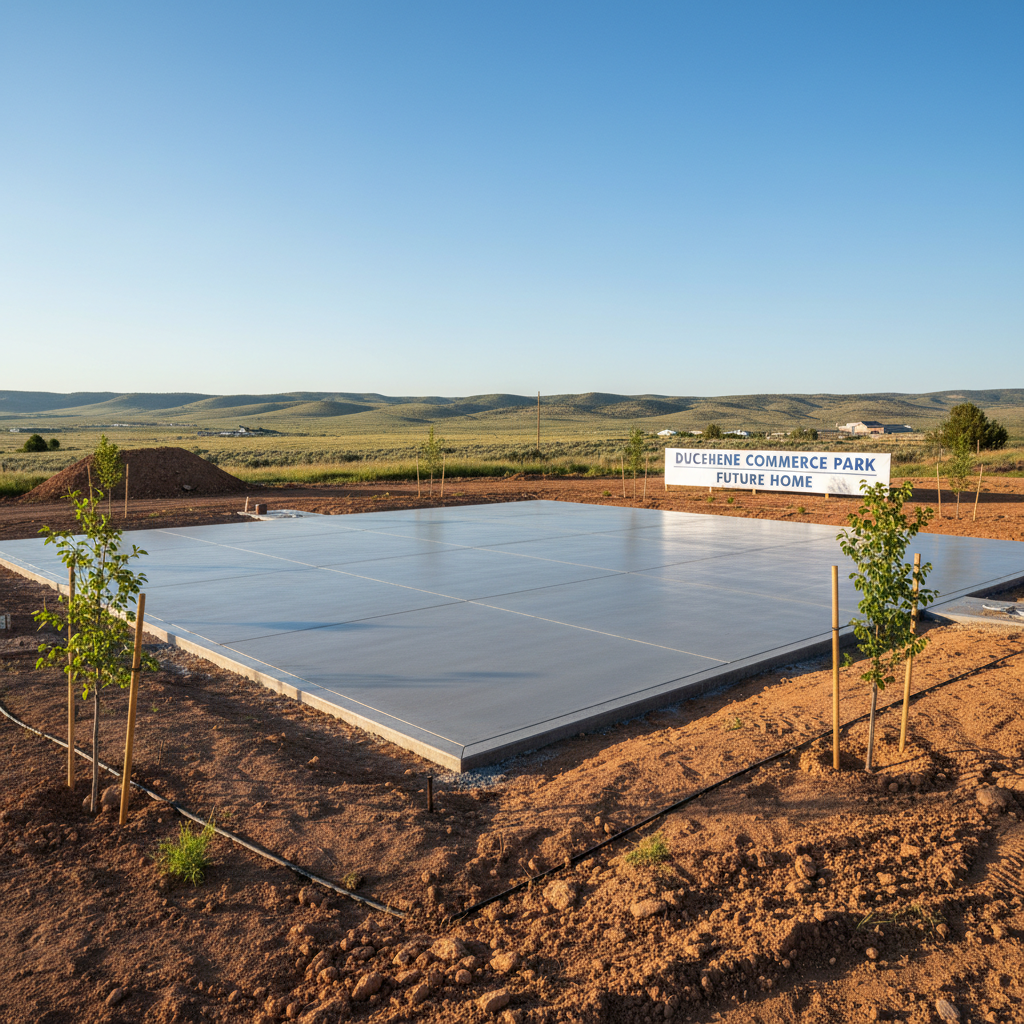
Understanding how dimensions translate to a total project expense is the next step for most homeowners. While smaller pads have a lower total price, larger installations often provide a better value per square foot. This is because fixed costs, such as equipment delivery and crew mobilization, are spread across a greater surface area. In the Uintah Basin, where specialized equipment must often travel longer distances, these efficiencies become even more pronounced.
Patio Dimensions | Square Footage | Estimated Cost Range |
|---|---|---|
12' x 12' (Bistro) | 144 sq. ft. | $1,600 – $2,800 |
20' x 20' (Standard) | 400 sq. ft. | $4,500 – $6,500 |
15' x 30' (Large) | 450 sq. ft. | $5,000 – $7,200 |
The 20x20 patio is the regional benchmark for a functional outdoor living space capable of hosting both dining and lounge furniture. For this size, a quote between $4,500 and $6,500 reflects a high-quality, reinforced installation. At Duchesne Construction, we do not recommend cutting corners on these mid-sized projects. This price range accounts for a four-inch minimum thickness, integrated fiber reinforcement, and a localized rebar grid. These structural enhancements are essential for resisting the heavy pressure exerted by Utah’s extreme freeze-thaw cycles.
Properly budgeting for these residential and commercial construction services also ensures the site is graded correctly to manage Duchesne’s specific clay-heavy soils. A cheaper, unreinforced pour may save money today, but it lacks the advanced materials required to prevent the slab from shifting or bucking during the first hard winter. To get a precise breakdown based on your property’s specific elevation and drainage, you can contact our team for a custom quote and site evaluation.
Why Utah Freeze-Thaw Cycles Impact Your Total Cost of Ownership
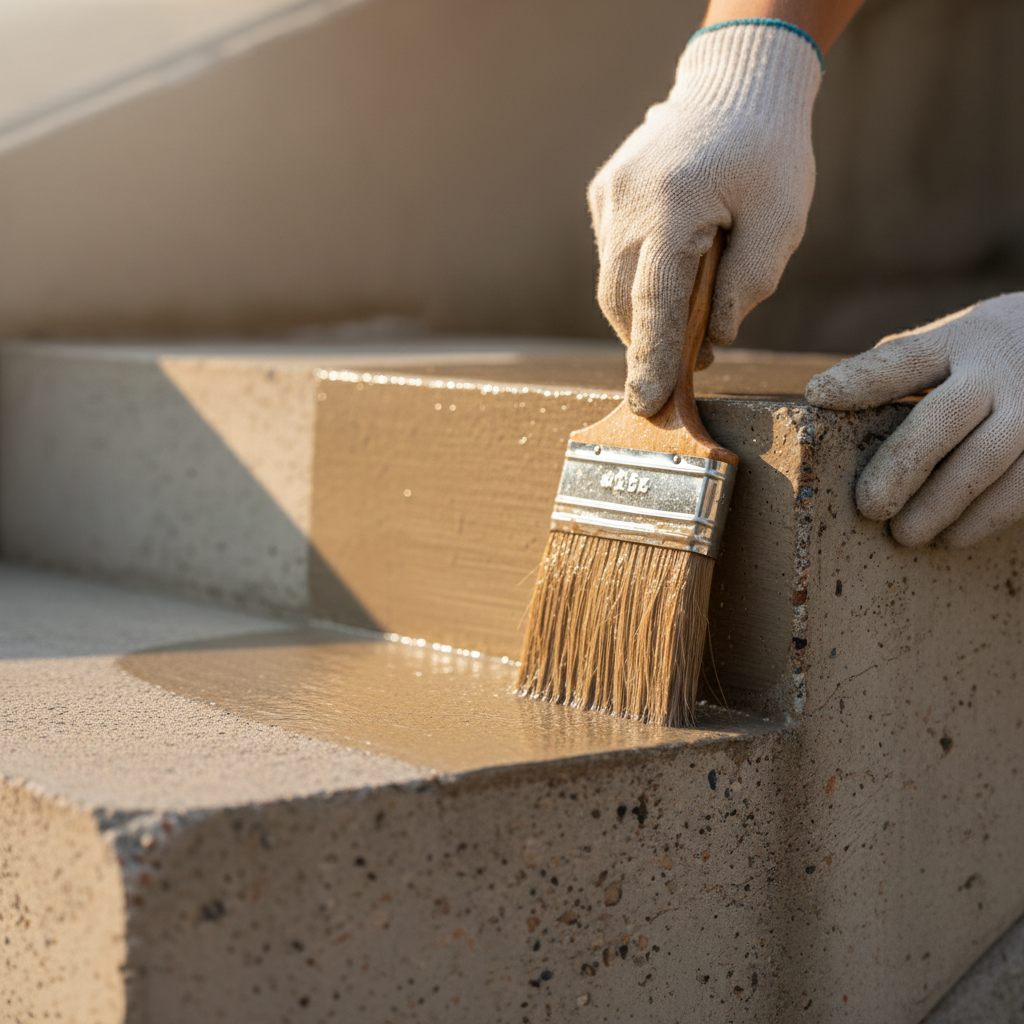
In the Uintah Basin, the climate is the primary driver of the long term concrete patio cost. Duchesne experiences drastic temperature fluctuations where daytime thaws send melted snow into the microscopic pores of the concrete, only for it to refreeze as temperatures plummet at night. Because water expands by approximately 9% when it freezes, this internal pressure creates a mechanical force that literally shreds the concrete from the inside out. Without proper protection, this lead to spalling, which is the unsightly flaking of the surface, and deep structural cracking.
Choosing the lowest bidder often results in a slab made with standard mixes that lack sufficient air entrainment or high quality reinforcement. While the upfront price is lower, the total cost of ownership rises quickly when you account for repairs or a full replacement within a decade. At Duchesne Construction, we view the pour as only the first step. Our team integrates advanced materials, such as fiber mesh and high strength additives, that increase the tensile strength of the slab to better withstand these cycles.
Feature | Standard Installation | Duchesne Construction Method |
|---|---|---|
Moisture Barrier | None or basic plastic | Integrated moisture-resistant treatments |
Surface Protection | Optional/Generic sealer | High-grade penetrating sealers |
Reinforcement | Minimum wire mesh | Precision rebar grids + fiber reinforcement |
Expected Lifespan | 10–15 years before repair | 25–40 years with minimal maintenance |
We emphasize protective coatings that provide more than just a glossy finish. These advanced sealants act as a chemical shield, preventing moisture intrusion and salts from penetrating the surface. By investing in these structural enhancements during the initial phase of our residential and commercial construction services, you significantly reduce the accumulation of damage over a 20 year period. This proactive approach ensures the aesthetics of your patio remain intact while the structural core stays stable through hundreds of freeze-thaw cycles. To learn more about our specific material specifications for high desert climates, you can contact our team for a custom quote and a durability consultation.
Stamped Concrete vs Pavers: Which Patio Lasts Longest in the Uintah Basin?
Homeowners in the Uintah Basin often weigh the aesthetics of individual pavers against the structural benefits of a solid slab. While pavers offer the advantage of easier spot repairs if a single stone breaks, they are notoriously difficult to maintain in Duchesne’s clay-heavy soils. Over time, the expansive nature of local clay causes pavers to shift and settle unevenly; this necessitates frequent sand replacement and labor-intensive weeding between joints.
A professionally installed stamped concrete patio addresses these stability issues through a monolithic pour. At Duchesne Construction, we utilize modern building technology to ensure the slab acts as a singular, reinforced unit. By incorporating proper drainage systems and precision troweling during the finishing phase, we minimize the risk of the slab heaving or sinking, which is a common problem for paver systems that lack a rigid foundation.
Maintenance Factor | Individual Pavers | Stamped Concrete |
|---|---|---|
Weed Control | High maintenance; grows in joints | Minimal; solid surface |
Structural Stability | Prone to shifting in clay soil | High stability via reinforcement |
Repair Method | Replace individual units | Sealing and crack monitoring |
Surface Integrity | Sand washout and settling | Moisture-resistant treatments |
Choosing concrete often results in a lower long-term concrete patio cost because it eliminates the need for professional re-leveling every few years. Our residential and commercial construction services focus on applying moisture-resistant surface treatments that protect the decorative finish from the Basin’s intense sun and snow. While both options require periodic sealing to maintain their appearance, a concrete slab provides a more predictable performance profile in our specific geography. You can contact our team for a custom quote to evaluate which material best suits your property’s soil drainage and slope.
Common Questions About Concrete Patio Value and Maintenance
Investing in a professional installation directly impacts your property’s appraisal. Generally, a high quality stamped concrete patio provides a return on investment (ROI) between 5% and 10% regarding total landscaping value. Because it extends the functional living area of a home, it remains a key selling point in the Utah real estate market.
There are practical trade-offs to consider when calculating your long term concrete patio cost. Stamped surfaces can become slippery when wet, especially if a high gloss sealer is applied without anti-skid additives. Furthermore, maintaining the vibrant color and protective layer requires a fresh seal every two to three years to prevent UV degradation and moisture penetration.
Maintenance Task | Frequency | Benefit |
|---|---|---|
Surface Resealing | Every 2–3 Years | Protects color and prevents moisture intake |
Winter Traction | As Needed | Use sand only; avoid chemical de-icers |
Expansion Joint Cleaning | Annually | Prevents debris from causing pressure cracks |
To protect your investment during Uintah Basin winters, avoid using rock salt or magnesium chloride, particularly on concrete poured within the last two years. These chemicals accelerate the freeze-thaw damage that leads to surface pitting and spalling. For traction, use plain sand instead. Duchesne Construction recommends this approach to safeguard the advanced materials and protective coatings integrated into our residential and commercial construction services. If you notice minor surface wear or need a professional assessment, contact our team for a custom quote for maintenance or specialized structural enhancements.
Investing in a new concrete patio is an excellent way to enhance your Utah home's value and outdoor functionality. By staying informed about 2026 pricing and durability trends, you can make a choice that fits both your budget and your lifestyle. If you want expert help to bring your vision to life, we are ready to guide you through every step of the process. You can learn more about our team and commitment to quality as you begin your next home improvement journey.