The average concrete garage floor cost in Utah typically ranges from $4 to $9 per square foot for a basic installation, while specialized projects in regions like Salt Lake City can reach $19.60 per square foot. A standard 2-car garage project generally costs between $2,600 and $5,200 depending on the slab thickness and reinforcement requirements. Factors such as site preparation and decorative finishes will further influence final 2026 pricing.
A cracked, pitted, or sinking garage floor is more than an eyesore; it is a structural liability that diminishes your property value and compromises daily utility. For Utah homeowners, the harsh freeze-thaw cycles and corrosive road salts make concrete durability a necessity rather than a luxury. Understanding the true cost of a replacement involves more than a simple price per square foot calculation. In this 2026 guide, Duchesne Construction breaks down the current market rates for common slab dimensions like 24x24 and 30x30 footprints. We will explore the critical technical specifications, such as PSI ratings and reinforcement requirements, that ensure your investment survives a decade of mountain winters. You will gain a clear perspective on site preparation, drainage solutions, and advanced surface treatments to help you budget accurately for a floor that performs as well as it looks.
Understanding the True Cost of a New Garage Floor in Utah
Calculating the concrete garage floor cost for a project in Duchesne or the wider Uintah Basin involves more than just looking at national price lists. While standard industry data suggests that a basic bare slab costs between $4 and $9 per square foot, these numbers often fail to account for the specific environmental demands of Eastern Utah. Our region faces extreme temperature swings and volatile soil conditions that can quickly compromise a low bid installation.
At Duchesne Construction, we view the initial pour as only one part of the equation. A standard pour might meet basic building codes, but our focus on reliable residential and commercial construction services prioritizes long term structural integrity. The true cost of a floor includes its projected lifespan and the frequency of necessary repairs. In an environment where road salts and freeze-thaw cycles are constant, a cheaper slab often ends up being more expensive due to premature cracking or surface scaling. By utilizing precision installation techniques and advanced materials, we build floors designed to resist moisture intrusion and surface degradation. Understanding this distinction helps homeowners move beyond the sticker price and invest in a structure that maintains its value for decades rather than just a few seasons.
Average Concrete Garage Floor Cost per Square Foot in 2026
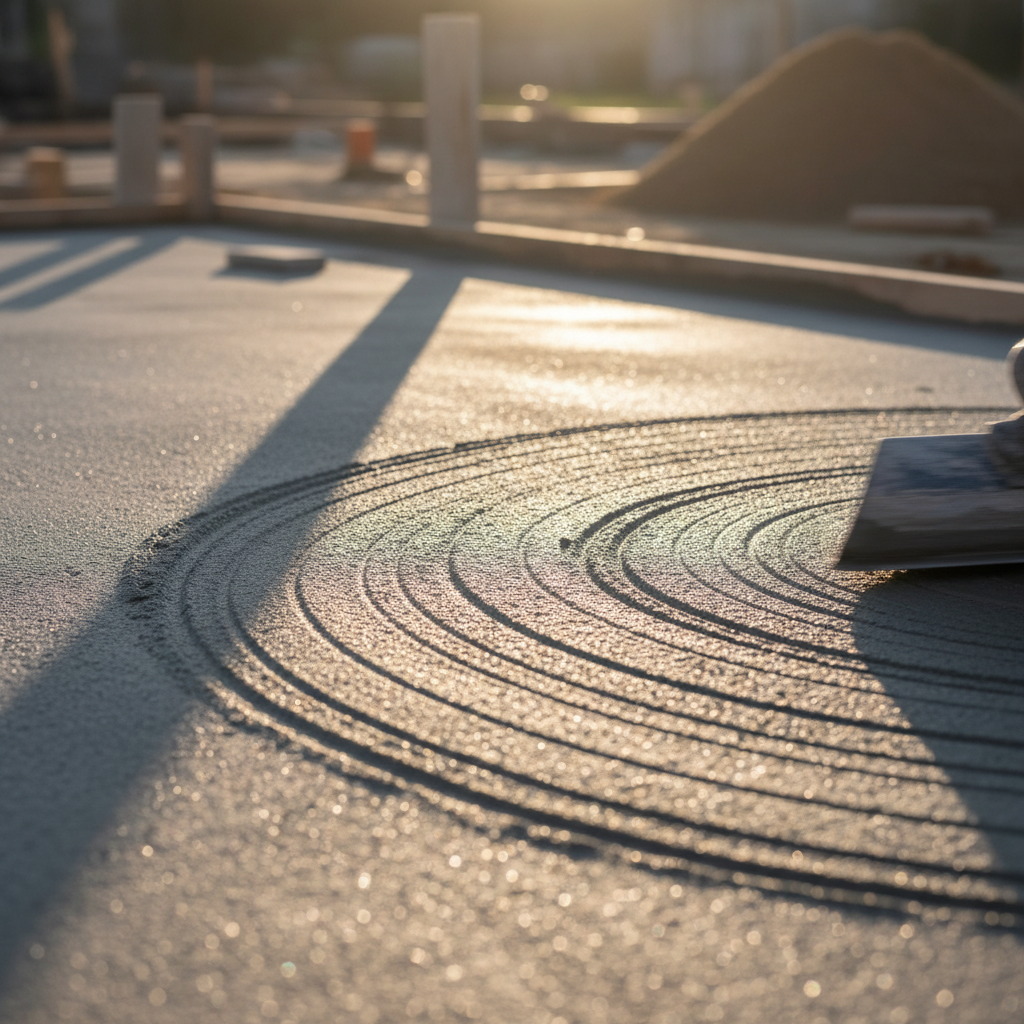
For 2026, the concrete garage floor cost is categorized into three primary performance tiers. These tiers reflect the materials used, the complexity of the reinforcement, and the final surface treatment applied to the slab.
Tier | Estimated Cost per Sq. Ft. | Typical Features |
|---|---|---|
Basic Slab | $4 to $9 | Standard concrete mix, basic trowel finish, minimal reinforcement. |
Mid-Range | $8 to $12 | Integrated vapor barriers, fiber reinforcement or rebar, higher PSI mix. |
High-End/Performance | $13 to $20+ | Advanced protective coatings, custom finishes, maximum moisture protection. |
In Duchesne and surrounding counties, local labor rates and the logistics of transporting materials to specific sites often push the total project cost for a standard two car garage into the $3,000 to $6,000 range. While a basic $4 per square foot pour might seem attractive on paper, it rarely includes the structural enhancements necessary for the heavy equipment and temperature fluctuations common in our region. A bare slab at the lowest price point is often just a starting point that lacks the protection needed against Utah road salts.
Most homeowners in the Uintah Basin find the best long term value in the mid-range tier. This level of investment ensures the slab includes a proper vapor barrier to prevent moisture from wicking up through the ground and reinforcement that can handle the weight of heavy work trucks. When you contact our team for a custom quote, we evaluate the specific soil density and drainage requirements of your lot to ensure the pricing reflects a finished product that will not settle or scale. Utilizing precision installation techniques during the pour ensures that even a mid-range project benefits from the same structural discipline as a high-end commercial facility. Investing slightly more upfront in better materials significantly reduces the likelihood of needing costly resurfacing within the first five years of the slab's life.
Standard Garage Slab Sizes: 24x24 and 30x30 Cost Estimates
Calculating the total concrete garage floor cost for standard footprints requires adjusting for both the square footage and the unique geographic challenges of Eastern Utah. A 24x24 garage, totaling 576 square feet, serves as the baseline for a modern two car space. For homeowners building a detached shop or a larger vehicle storage area, a 30x30 slab provides 900 square feet of utility.
In Duchesne and surrounding counties, the size of the footprint directly impacts the intensity of the site preparation. Our local soils are often characterized by high clay content or dense rock; both require specialized equipment to excavate and level properly. Larger slabs distribute more weight and are more susceptible to the heaving effects of the local freeze thaw cycle if the sub-base is not meticulously compacted. When you contact our team for a custom quote, we look specifically at these site variables to prevent future structural failure.
Project Size | Slab Area | Basic Slab ($4 to $9/sf) | Mid-Range ($8 to $12/sf) | Performance ($13 to $20+/sf) |
|---|---|---|---|---|
24x24 Garage | 576 sq. ft. | $2,304 – $5,184 | $4,608 – $6,912 | $7,488 – $11,520+ |
30x30 Shop | 900 sq. ft. | $3,600 – $8,100 | $7,200 – $10,800 | $11,700 – $18,000+ |
Budgeting for these projects should always include a buffer for excavation. Larger pours are statistically more prone to internal stress during curing. Utilizing precision installation techniques during the sub-grade prep and the pour itself ensures that larger slabs remain flat and stable, resisting the cracking that often occurs when site work is rushed on expansive clay soils.
Why Concrete Thickness and PSI Matter for Utah Winters
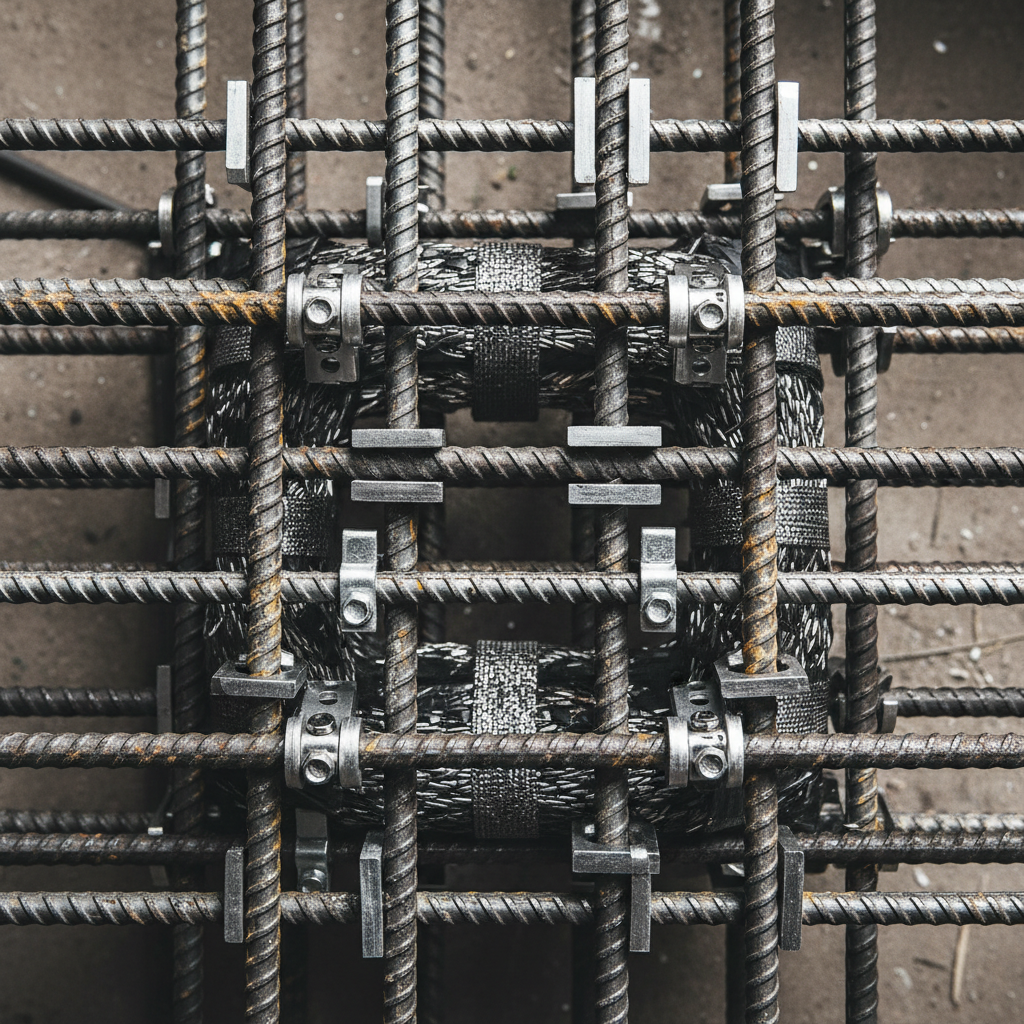
Choosing the right structural specifications is arguably more important than the footprint when calculating your total concrete garage floor cost. A common question homeowners ask is whether four inches of concrete is sufficient for a standard garage. While a four inch slab is technically the industry standard for light passenger vehicles, it often falls short under the specific demands of the Uintah Basin.
Duchesne Construction typically recommends a thickness of five to six inches for homeowners who plan to park heavy duty diesel trucks, trailers, or agricultural equipment. This additional thickness increases the load bearing capacity significantly, preventing the slab from buckling under concentrated weight. Beyond thickness, the compressive strength, measured in PSI (pounds per square inch), is a critical variable. While 3,000 PSI concrete is common in milder climates, our regional freeze thaw cycles necessitate a mix of 4,000 PSI or higher. Higher PSI concrete is denser and less permeable, which directly reduces the amount of moisture the slab absorbs. When absorbed water freezes, it expands; in lower quality concrete, this leads to surface scaling and pop outs.
Long term durability in Utah also relies on internal reinforcement. We consider fiber reinforcement or Grade 60 rebar to be non-negotiable components of a high performing floor. Fiber mesh helps control micro-cracking during the initial curing phase, while rebar provides the structural skeleton needed to keep the slab unified during ground shifts. Using these precision installation techniques ensures that your investment resists the destructive nature of Utah winters, ultimately lowering the total cost of ownership by preventing premature structural failure. When you contact our team for a custom quote, we specify these high performance materials to ensure your floor is built for local conditions rather than just meeting minimum codes.
The Hidden Costs: Site Prep, Drainage, and Reinforcement
High-quality concrete is only as stable as the ground supporting it. While many estimates focus solely on the pour, the site preparation phase is where the long term success of the slab is determined. In Duchesne and the surrounding Uintah Basin, erratic soil compositions including expansive clay and loose rock require aggressive mechanical compaction and a dedicated sub-base of road-base or gravel. These steps increase the initial concrete garage floor cost; however, they are essential to prevent the differential settling that causes major structural cracks.
Proper grading and drainage are also non-negotiable for Utah garages. A slab must be precisely sloped to ensure that snow melt and moisture move toward the door or a drain rather than pooling against the foundation. Standing water, especially when mixed with winter de-icing salts, accelerates surface degradation and freeze-thaw damage. At Duchesne Construction, we utilize precision installation techniques during the excavation and grading phase to eliminate these risks before the truck even arrives. Focusing on these often-overlooked details is a hallmark of our reliable residential and commercial construction services. If you are budgeting for a new build, contact our team for a custom quote that includes a comprehensive assessment of your site's specific preparation needs.
Garage Floor Concrete Crack Repair and Maintenance Costs
Maintaining a slab in Duchesne requires distinguishing between expected wear and structural failure. Hairline shrinkage cracks are a natural byproduct of the hydration process and are typically cosmetic. However, structural cracks, often wider than one eighth of an inch or showing a vertical offset between sections, indicate that the sub-grade has settled or shifted. These issues must be addressed before they lead to total slab failure and a complete replacement.
Repair Method | Estimated Cost | Application |
|---|---|---|
DIY Liquid Crack Filler | $50 – $150 | Minor cosmetic hairline cracks. |
Professional Epoxy Injection | $300 – $800 | Stabilizing structural cracks. |
Professional Resurfacing | $3 – $7 / sq. ft. | Widespread surface scaling or spalling. |
A significant portion of the lifetime concrete garage floor cost is tied to maintenance. DIY fillers offer a temporary fix for small gaps, but professional epoxy injections provide a structural bond that restores the slab's integrity. Homeowners should become concerned if cracks show active movement or significant widening, as this allows moisture and road salts to reach the internal reinforcement. To avoid these recurring expenses, we implement precision installation techniques that focus on proper joint placement to control where cracking occurs. Implementing a protective coating early can also mitigate these risks, which is why we provide reliable residential and commercial construction services designed for durability. If your floor shows signs of distress, you should contact our team for a custom quote to evaluate whether a simple repair or a more robust resurfacing plan is required.
Maximizing Durability with Advanced Surface Treatments
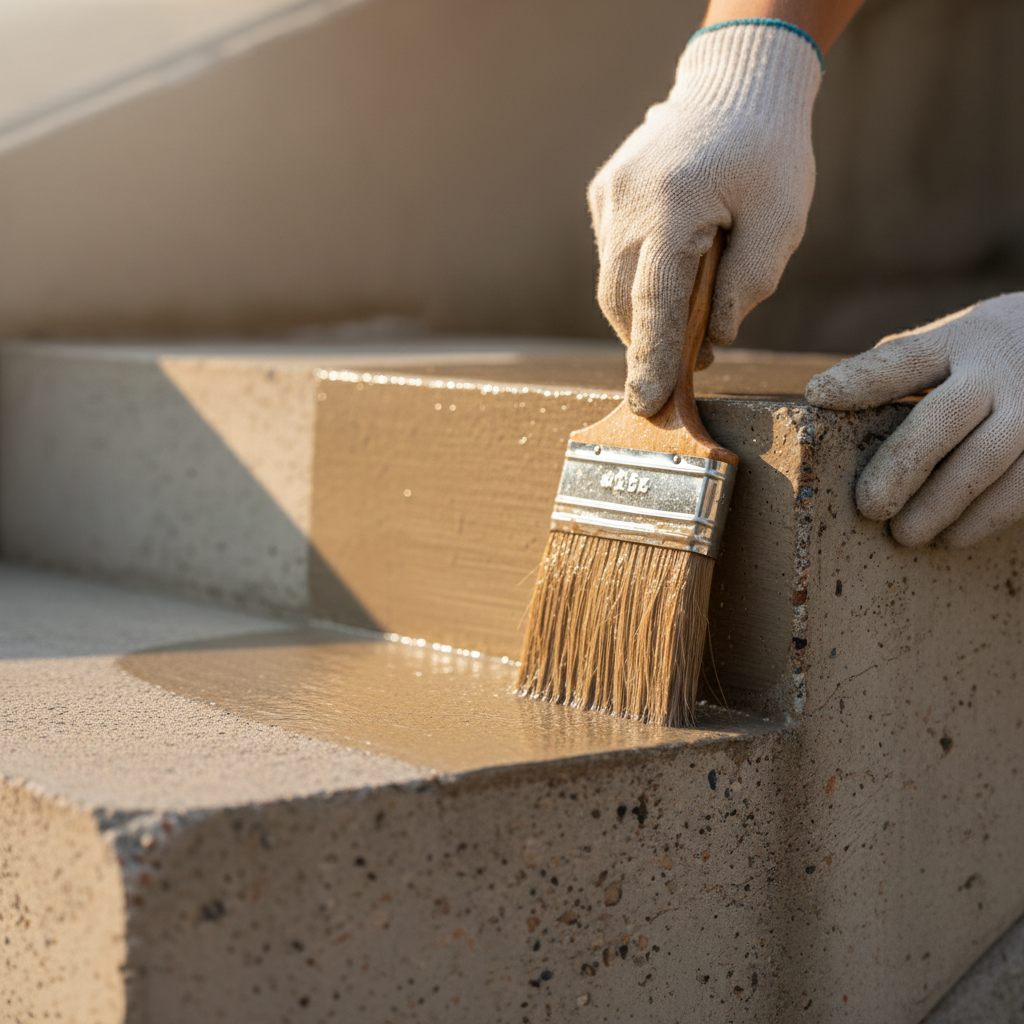
Integrating advanced surface treatments directly addresses the environmental threats unique to the Uintah Basin. A bare concrete slab, regardless of its thickness, remains a porous material. In Utah, this porosity is a liability because of magnesium chloride, the standard road salt used during winter. These salts are hygroscopic, meaning they pull moisture into the concrete pores. When that moisture freezes, the internal pressure causes the surface to flake, scale, and eventually disintegrate. By applying protective coatings, we create an impermeable barrier that prevents these chemicals from ever reaching the cement paste.
While an initial coating adds $4 to $12 per square foot to your concrete garage floor cost, it is a strategic investment in the structure's lifecycle. A high-quality polyaspartic or epoxy system can extend the life of a slab by decades. Compare the cost of this preventative measure to a full slab replacement, which involves demolition, hauling fees, and a new pour, often exceeding $20 per square foot for a complete turnaround. Modern building technology allows these treatments to bond at a molecular level, resisting both mechanical impact and moisture intrusion.
At Duchesne Construction, we utilize precision installation techniques to ensure these coatings are applied to a properly profiled surface. Our reliable residential and commercial construction services focus on these advanced materials to create floors that require significantly less maintenance over time. To find the right balance between performance and budget for your property, you should contact our team for a custom quote that details the specific protective options available for your project.
Balancing the initial cost with the long-term durability of your garage floor is essential for any Utah homeowner. While understanding the 2026 pricing guide helps with planning, a successful installation depends on proper technique and local expertise. If you want expert help navigating these choices or ensuring a flawless finish, you can read more about Duchesne Construction to see how we serve the community. We are ready to help you build a space that lasts for years to come.