New concrete typically cracks because excess water evaporates during the curing process, leading to the formation of concrete shrinkage cracks as the material contracts. While minor hairline fractures are often a normal result of this volume loss, deeper or wider gaps may indicate structural issues such as improper subgrade preparation or soil settlement.
You invest time and resources into a new concrete installation, only to discover a hairline fracture creeping across the surface just weeks later. It is a frustrating sight that leads every property owner to ask the same question; is this a minor cosmetic flaw or a sign of impending structural failure? While concrete is renowned for its durability, it is also a dynamic material that undergoes significant physical changes as it cures. At Duchesne Construction, we believe that transparency and expertise are the foundations of every project. This guide examines the science behind concrete shrinkage cracks, the specific environmental factors in our region that accelerate movement, and the modern preventative measures we employ to ensure longevity. You will learn how to distinguish between normal settling and critical warning signs, helping you determine when a simple repair will suffice or when more significant action is required.
Is it Normal for New Concrete to Crack?
Seeing a crack in a freshly poured slab often causes immediate concern, yet nearly all concrete will crack to some extent during its lifespan. This occurs because concrete is a dynamic material that naturally shrinks as it cures. As the water used in the mixing process evaporates and the chemical hydration continues, the volume of the slab decreases. This inevitable reduction in size creates internal tension that eventually finds relief through concrete shrinkage cracks.
In the high-desert environment of Duchesne, Utah, this process is particularly aggressive. The local climate, characterized by low humidity and consistent winds, can pull moisture from the surface of the concrete much faster than the core can stabilize. If not managed carefully, this rapid drying increases the likelihood of surface-level fractures. It is important for homeowners to distinguish between cosmetic hairline cracks, which are typically thinner than a credit card and strictly aesthetic, and structural failures that threaten the stability of the build. While hairline fractures are often an unavoidable byproduct of the drying process, wider gaps or vertical displacement may indicate underlying issues with the subgrade or structural load. Delivering reliable residential and commercial construction services requires a deep understanding of these local environmental variables to ensure the final structure remains durable despite the natural tendencies of the material.
The Science Behind Concrete Shrinkage Cracks
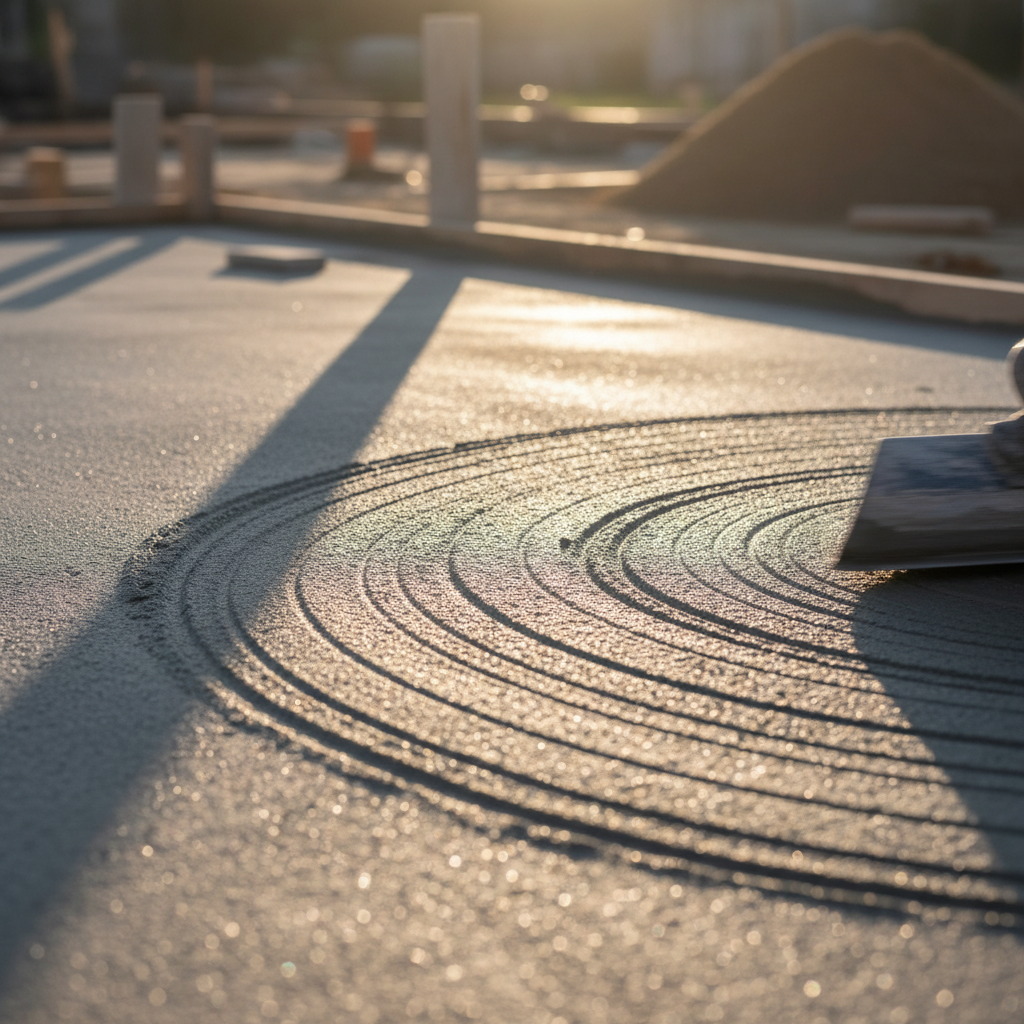
Understanding why these fractures appear requires a closer look at the two distinct phases of volume loss. Concrete shrinkage cracks are not the result of a single event but a process that begins the moment the mix is placed. These cracks are categorized based on when they occur during the curing and hardening cycle.
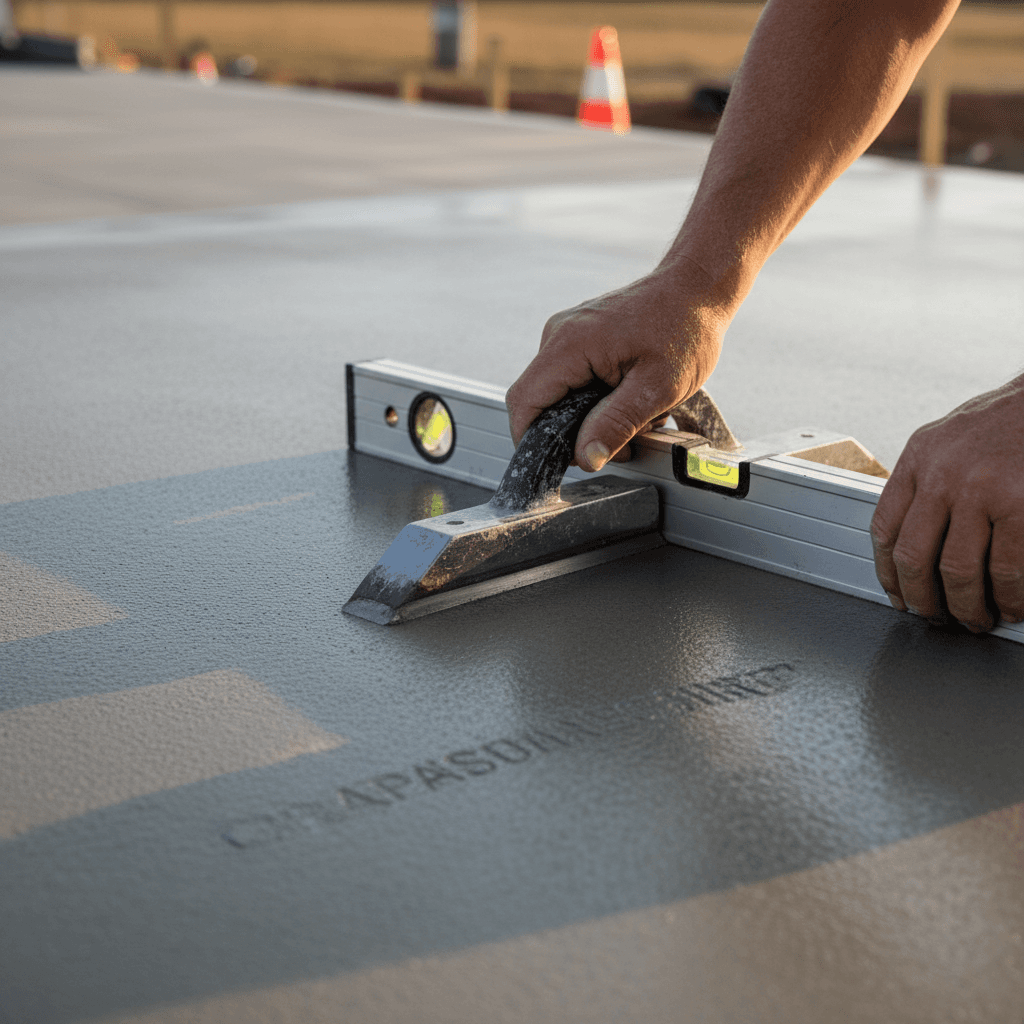
Plastic shrinkage occurs while the concrete is still in its fluid or plastic state. This happens when the rate of evaporation at the surface is faster than the rate at which bleed water can rise to replace it. In the Duchesne area, our frequent high winds and low humidity significantly accelerate this surface moisture loss. If the top layer dries and contracts while the concrete underneath is still wet and pliable, the surface layer literally tears. It is helpful to think of the loaf of bread analogy; as the outer crust of a loaf dries and hardens in the oven, it cracks because the moist interior cannot contract at the same speed. In our climate, failing to manage this evaporation through proper curing techniques can lead to immediate surface-level defects.
Drying shrinkage happens after the concrete has hardened and gained strength. Even after the initial set, concrete contains residual water that was not consumed by the chemical hydration process. As this moisture slowly evaporates over weeks or months, the entire structure continues to contract. Because the slab is typically restrained by the subgrade or adjacent walls, it cannot move freely to accommodate this smaller volume. This internal tension eventually exceeds the concrete's tensile strength, leading to cracks that often extend through the entire depth of the slab.
Managing these scientific realities is a fundamental part of professional concrete work and repairs. By carefully controlling the water to cement ratio and utilizing advanced surface treatments, we can mitigate the aggressive drying effects of the Utah environment and ensure the long-term integrity of the structure.
Normal Settling vs. Structural Warning Signs

Distinguishing between a minor eyesore and a major liability requires a focused inspection of the crack’s physical characteristics. While we have established that most slabs will develop minor fissures, the orientation and size of these openings tell the story of the building’s health. A reliable rule of thumb for homeowners is the Two Quarters Test. If a crack is less than 1/8 inch wide, which is roughly the thickness of two stacked quarters, it typically falls into the category of a maintenance issue rather than a structural failure. These thin gaps are often the result of standard concrete shrinkage cracks or the slight, expected movement of the slab as it finds its permanent seat on the subgrade.
When a crack exceeds this width or displays specific patterns, it becomes a structural red flag that warrants a professional assessment. Understanding these patterns is essential for prioritizing concrete work and repairs before the damage becomes irreversible:
Horizontal Cracks: These are rarely cosmetic. In foundation or retaining walls, horizontal displacement usually indicates lateral pressure from the surrounding soil pushing against the structure, which can eventually lead to wall failure.
Stair-Step Patterns: In masonry or concrete blocks, cracks that follow the mortar joints in a jagged, stair-like fashion suggest that the foundation is shifting or sinking in a specific area.
Tapered Widths: If a crack is significantly wider at the top than it is at the bottom, it is a classic sign of differential settlement. This indicates that one portion of the footer is dropping faster than the rest of the structure.
Once a crack shows vertical displacement, meaning one side is physically higher than the other, it has moved beyond a simple surface defect. These signs indicate that the structural integrity of the slab or foundation is compromised. Identifying these issues early allows for targeted structural enhancements that prevent the need for a full teardown and replacement. If you notice these warning signs, it is time to contact Duchesne Construction to evaluate the stability of your property.
Environmental Factors in Duchesne: Freeze Thaw and Soil Movement
The unique geography of the Uinta Basin presents specific challenges that can exacerbate even minor concrete shrinkage cracks. In Duchesne, the freeze-thaw cycle is one of the most destructive forces a slab will face. When moisture from snowmelt or rain enters a small surface crack, it stays trapped within the pores of the material. As temperatures drop overnight, that water expands by roughly nine percent as it turns to ice. This expansion acts like a slow-motion wedge, exerting immense internal pressure that forces the crack to widen and lengthen. Over several seasons, this repeated cycle can degrade the interior matrix of the concrete, leading to surface spalling or deep structural failures.
Beyond temperature fluctuations, the local soil conditions in Duchesne play a critical role in long-term performance. The region often features soils that require meticulous site preparation to avoid shifting. If the subgrade is not properly compacted or if there are inconsistent moisture levels in the ground, the soil will eventually settle or heave beneath the weight of the structure. This subgrade settlement creates hidden voids, leaving sections of the slab unsupported. When the concrete is forced to bridge these gaps, it eventually snaps under the load, regardless of the quality of the mix used during the pour. Managing these site-specific variables is a core component of reliable residential and commercial construction services. Without addressing soil stability and moisture intrusion early, a simple hairline fracture can quickly evolve into a significant structural hazard that requires professional concrete work and repairs.
Modern Prevention: How Duchesne Construction Minimizes Cracking
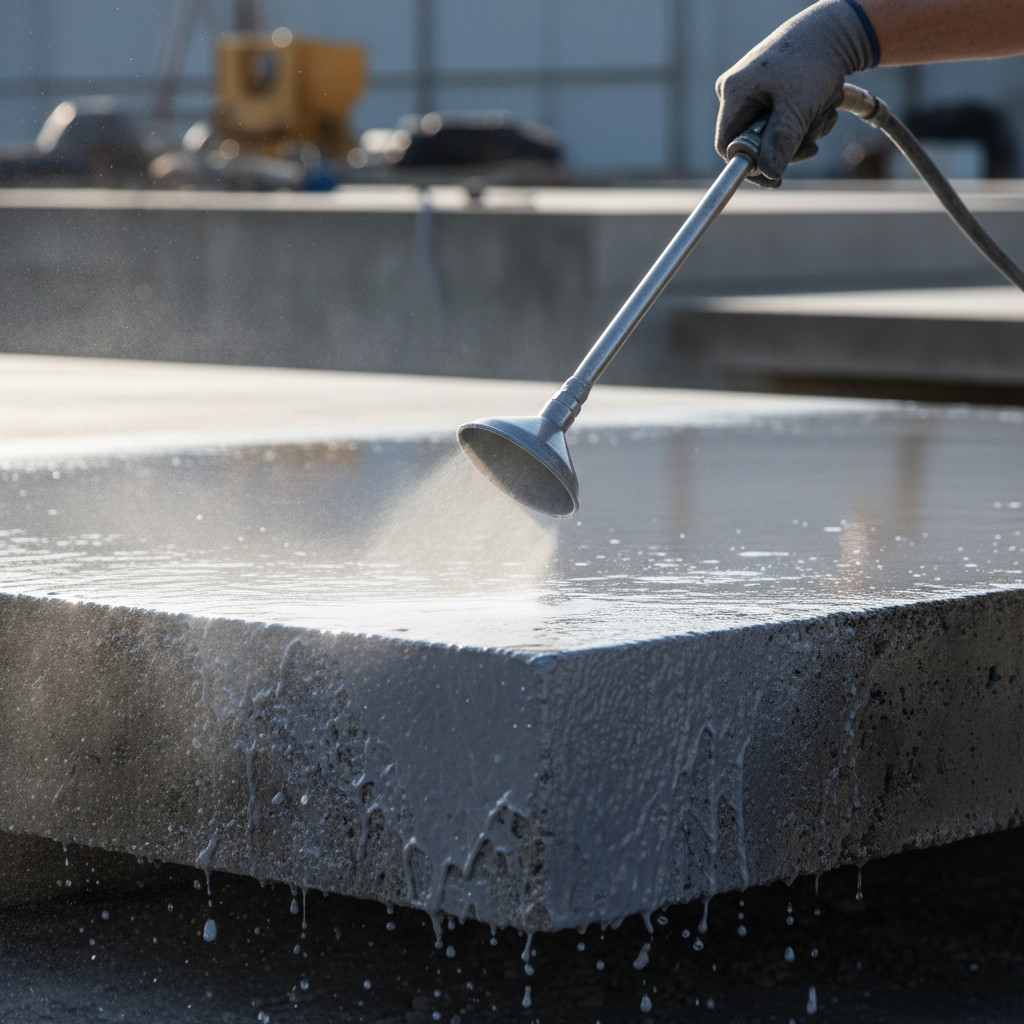
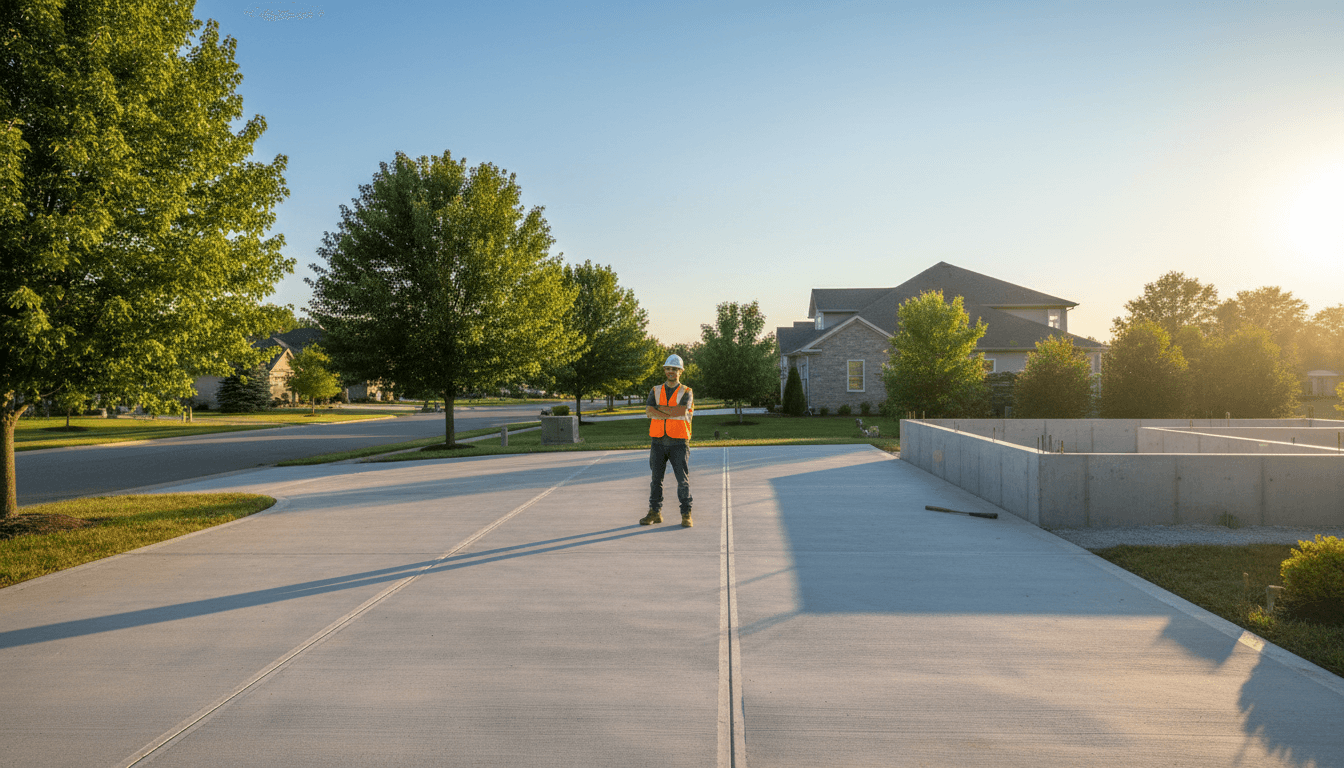
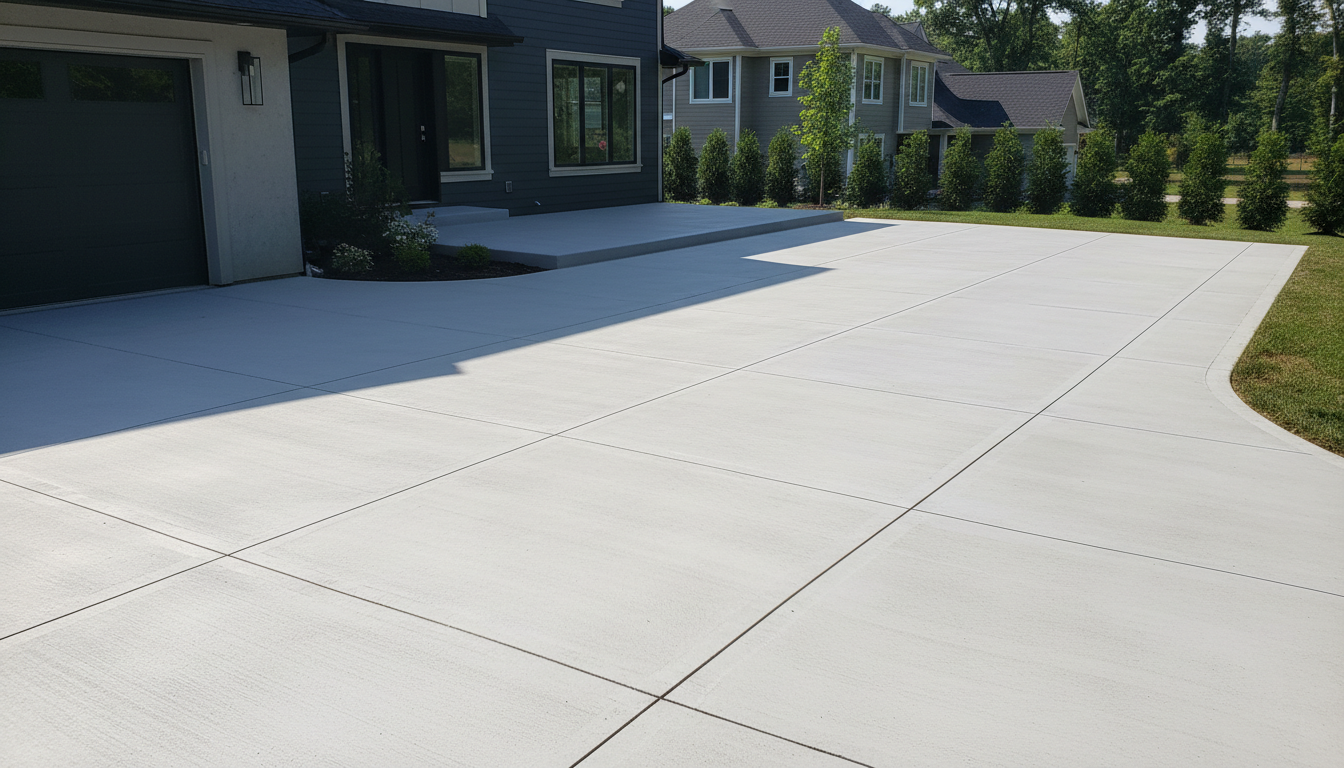
At Duchesne Construction, we approach every project with the understanding that local environmental pressures require more than just standard pouring methods. Minimizing the appearance of concrete shrinkage cracks starts with precision installation and an engineered approach to control joints. These joints are essentially pre-planned weak spots cut into the slab at specific intervals. By creating these intentional lines, we effectively tell the concrete where to crack as it shrinks. This ensures that the inevitable internal tension is relieved neatly within the joint rather than spidering across the visible surface of your driveway or foundation.
Beyond strategic joint placement, we utilize modern building technology to address the high-desert drying issues discussed previously. This includes the application of advanced surface treatments and protective coatings shortly after the curing process begins. These treatments create a chemical barrier that regulates moisture loss during the critical first few days. Once the slab has reached sufficient strength, we offer specialized sealants that penetrate the surface to block moisture intrusion. This is a vital step for long-term performance in the Uinta Basin, as it prevents the freeze-thaw cycles from gaining a foothold in the material.
Our commitment to reliable residential and commercial construction services means we do not just pour and leave. We integrate structural enhancements and high-quality materials to ensure the final product resists surface degradation and cracking. By combining expert concrete work and repairs with modern protective layers, we deliver structures that require significantly less maintenance. Proper site preparation and the right chemical additives allow us to mitigate the risks inherent to Utah’s climate from the very beginning.
How to Fix Cracks in Concrete: Repair vs. Replace
Deciding whether to patch a slab or tear it out depends entirely on the stability of the underlying subgrade and the severity of the damage. For hairline concrete shrinkage cracks that remain narrow and level, advanced surface treatments and high-quality sealants are the most effective solution. These low-viscosity materials penetrate deep into the fissure to create a moisture-proof barrier, preventing the Uinta Basin's freeze-thaw cycles from expanding the gap further.
When cracks exceed a quarter inch but the slab remains level, structural enhancements such as epoxy injection or carbon fiber stitching can restore integrity without the cost of a full pour. However, if the concrete is heaving, sinking, or showing significant vertical displacement, the issue likely lies with the soil compaction or drainage, making a simple patch temporary at best.
Condition | Recommended Action |
|---|---|
Stable, < 1/8 inch wide | High-quality sealant or protective coating |
Stable, > 1/4 inch wide | Routing and structural epoxy filler |
Uneven height (tripping hazard) | Surface grinding or structural stabilization |
Sinking, crumbling, or multiple voids | Full removal and replacement |
Choosing the right path requires an honest assessment of the slab's foundation. Our team specializes in both concrete work and repairs to ensure your property remains safe and functional. If the structure is fundamentally compromised, we prioritize a full replacement using modern reinforcement techniques to prevent a recurrence of the failure. This ensures that the new installation is equipped with the proper drainage and subgrade preparation to handle local environmental stressors.