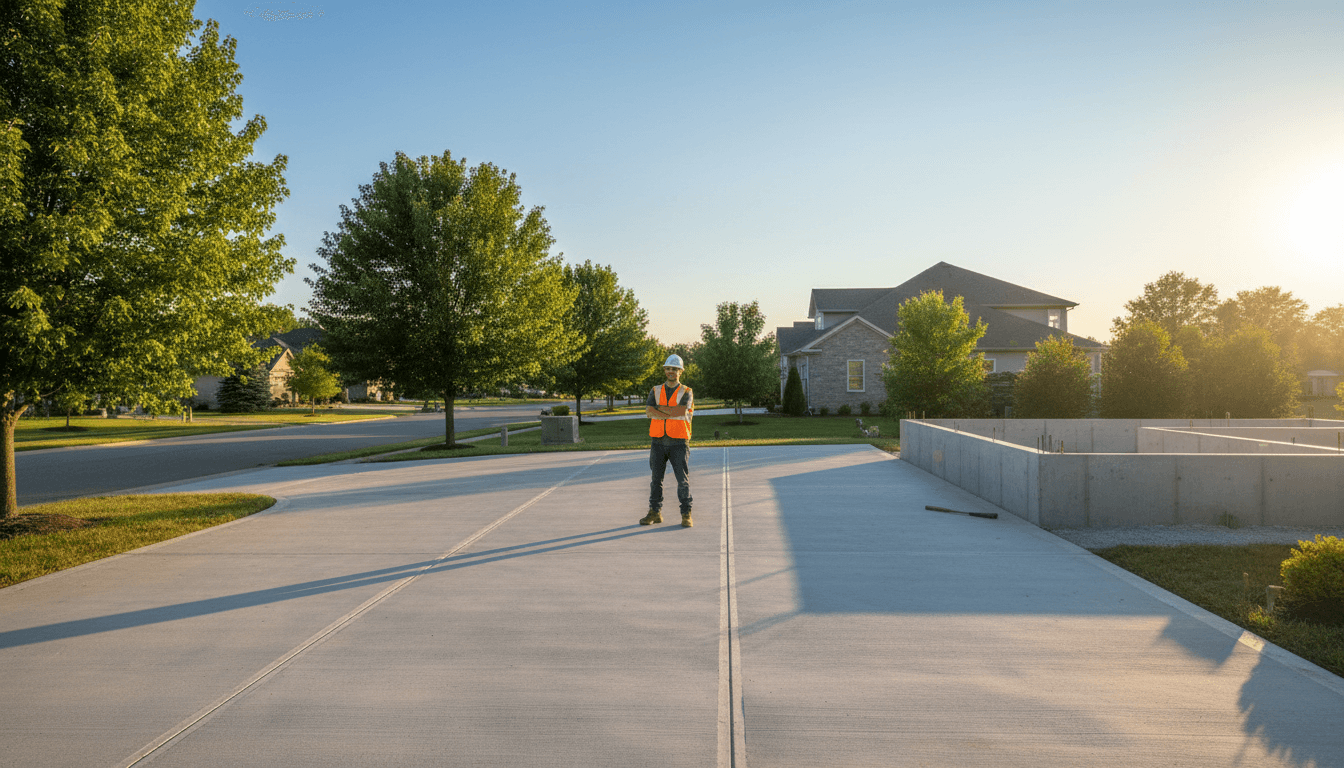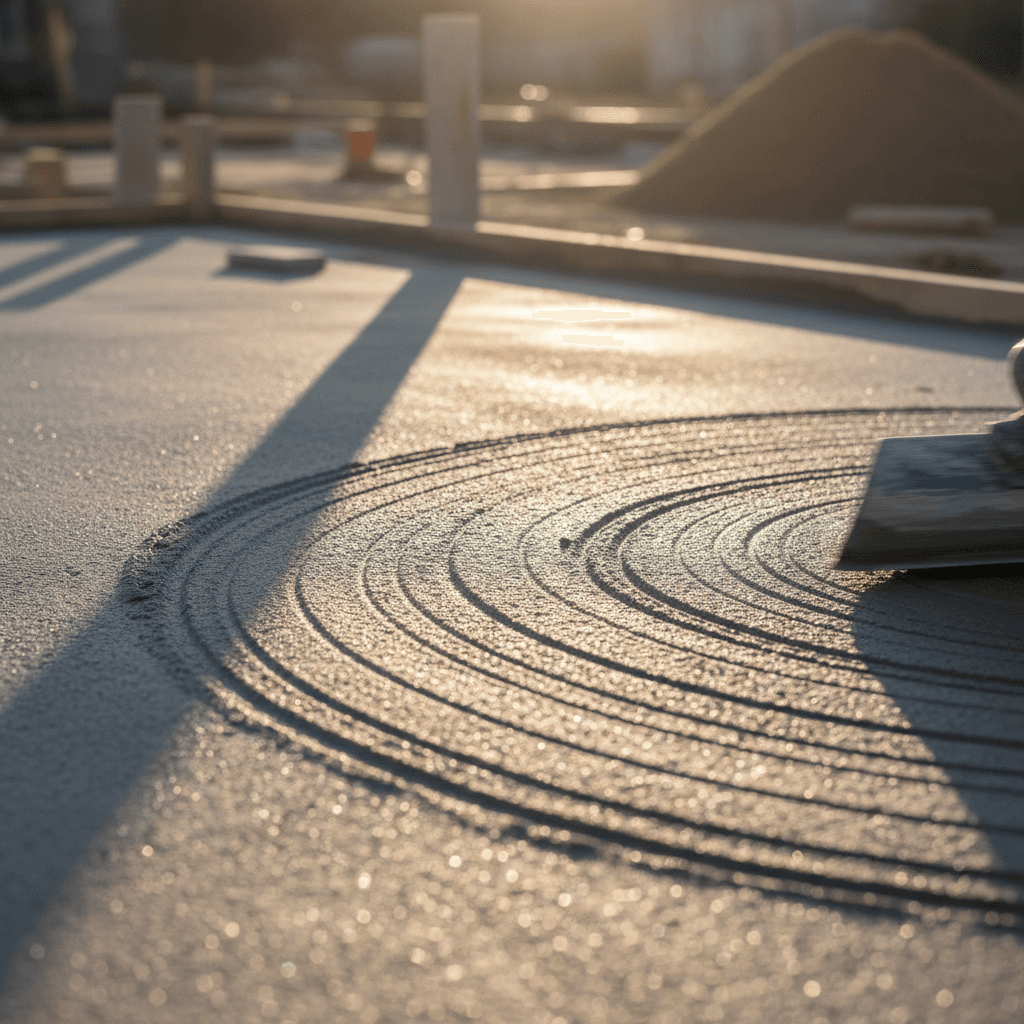
Concrete steps cost between $300 and $500 per step on average, with most residential projects ranging from $1,000 to $5,000 depending on the number of stairs and design complexity. Precast options are typically the most affordable choice, often costing half to one third the price of custom poured-in-place installations. Utah homeowners should also account for labor, site preparation, and decorative finishes when determining the total concrete steps cost for their home.
Cracked, sinking, or outdated front steps are more than a cosmetic eyesore; they represent a significant safety liability and a drain on your property value. For Utah homeowners, the decision to replace these entries involves balancing immediate aesthetics with the long term structural integrity required to survive our extreme seasonal shifts. At Duchesne Construction, we believe that informed clients make the best decisions for their estates. This 2026 guide provides a comprehensive breakdown of concrete step costs, specifically comparing the logistical advantages of precast units against the architectural versatility of poured in place installations. You will learn about the specific factors that drive labor and material pricing in the local market, the impact of custom finishes on your home’s curb appeal, and why professional grade durability is essential for navigating the Utah freeze thaw cycle.
Average Cost of Concrete Steps in Utah for 2026
Understanding the concrete steps cost in Utah for 2026 requires looking beyond simple material volume. For professional installation, Utah homeowners typically see prices ranging from $300 to $600 per step. While a basic set of functional utility steps for a side garage door might lean toward the lower end of that spectrum, a high visibility decorative entry involving custom widths or specific finishes will naturally command a premium.
Project Type | Estimated Cost Per Step | Total for 4-Step Entry |
|---|---|---|
Basic Functional | $300 - $400 | $1,200 - $1,600 |
Standard Entry | $400 - $500 | $1,600 - $2,000 |
Decorative/Custom | $500 - $600+ | $2,000 - $2,500+ |
A common point of confusion is how steps are priced compared to flatwork like driveways or patios. While walkways are generally priced by the square foot, stairs require significantly more complex formwork, structural bracing, and specialized labor to ensure proper rise and run. Because of the intensive manual work required to build vertical faces and ensure each tread is perfectly level, contractors price these projects by the unit. For a standard four step entryway, homeowners should budget between $1,200 and $2,500. This variance accounts for the type of finish, the thickness of the treads, and the specific reinforcement used to combat local soil movement.
Duchesne Construction provides reliable residential and commercial construction services that prioritize long term stability over the cheapest possible bid. When evaluating quotes, it is important to distinguish between the cost of the raw concrete and the expert labor required for precision installation. To get a detailed estimate tailored to your property, you can contact Duchesne Construction for a site specific assessment.
Poured in Place vs Precast Concrete Steps: Which Is Right for You?
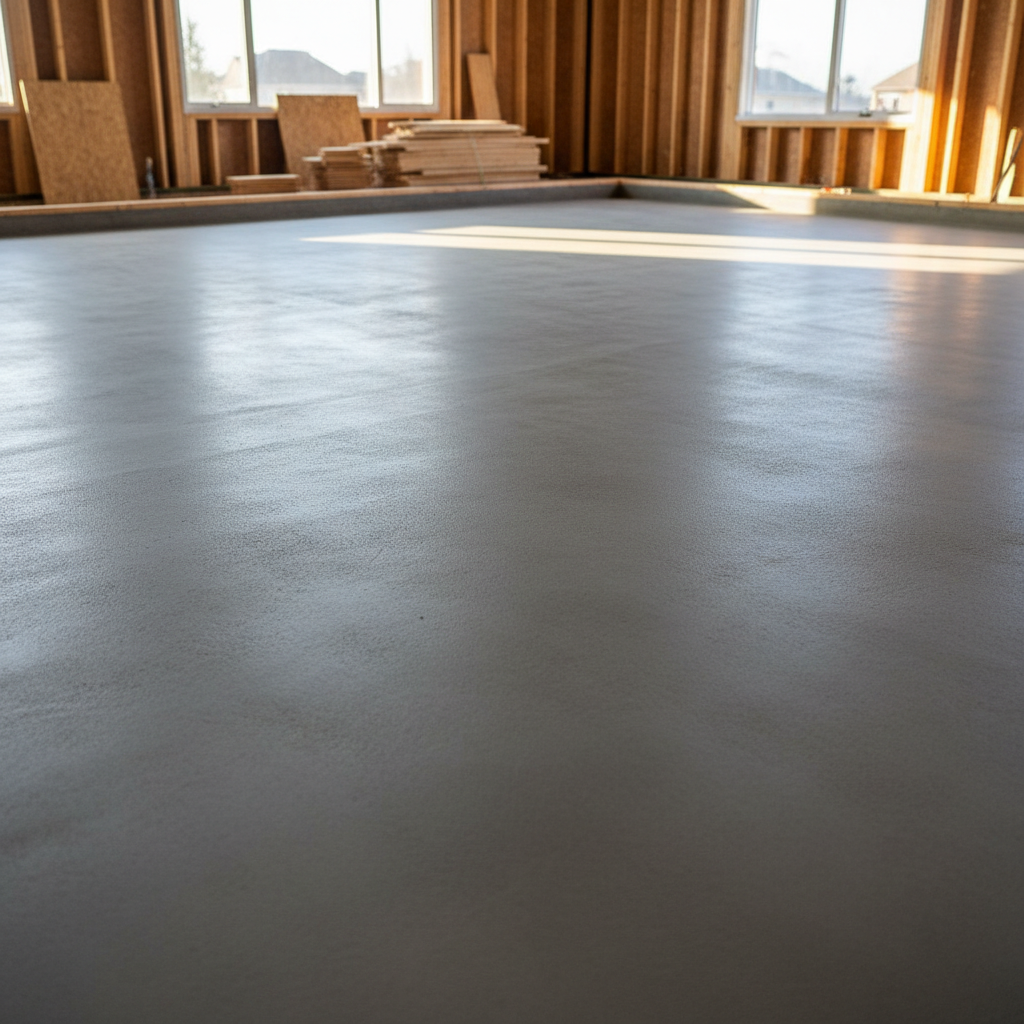
When evaluating your options, the primary choice is between precast units and custom poured-in-place steps. Precast steps are manufactured in a controlled factory environment and transported to your site via crane. This method is highly efficient; it often results in a concrete steps cost that is 30 to 50 percent lower than custom alternatives. However, precast units are frequently hollow. While this makes them lighter for transport, it can lead to stability issues if the ground beneath them settles or shifts over time.
Poured-in-place steps offer a different level of structural performance. These are built directly on-site, allowing the concrete to be tied into the home’s foundation or existing structures using rebar. This creates a solid, monolithic mass that is significantly more resistant to the lateral movements common in Utah’s shifting soils. Because these steps are formed manually, they can be customized to any specific height, width, or curvature required by your home's unique entry or landscape.
Feature | Precast Steps | Poured-in-Place Steps |
|---|---|---|
Structure | Often hollow core | Solid concrete throughout |
Installation | Craned in as a pre-made unit | Formed and poured on-site |
Integration | Rests on top of the soil | Tied to foundation/reinforcement |
Customization | Limited to standard mold sizes | Fully customizable dimensions |
Relative Cost | Lower (30-50% less) | Higher due to labor and forms |
Duchesne Construction specializes in reliable residential and commercial construction services that emphasize these structural enhancements. While the initial investment for a poured-in-place entry is higher, the solid construction prevents the tipping or separation from the house that often occurs with precast units over a decade of use. For homeowners prioritizing long term performance and architectural cohesion, the structural integration of a poured system usually outweighs the upfront savings of a precast unit. If you need help determining which method fits your property’s soil conditions, you can contact Duchesne Construction for a professional assessment.
Factors That Influence Your Concrete Steps Installation Cost
The final concrete steps cost is rarely just the price of the stairs themselves; several site-specific variables dictate the total investment. Before a new entry can be formed, existing structures must be addressed. Demolition and removal of old, cracked concrete typically adds between $3 and $8 per square foot to the project. This cost includes the labor of breaking up the heavy mass and the disposal fees for hauling debris to a local facility.
Beyond removal, site preparation is a critical factor for longevity in Duchesne. Proper grading ensures that water drains away from your home’s foundation rather than pooling at the base of the stairs. If the sub-grade soil is unstable, additional excavation and the import of compacted road base may be necessary to provide a non-shifting platform.
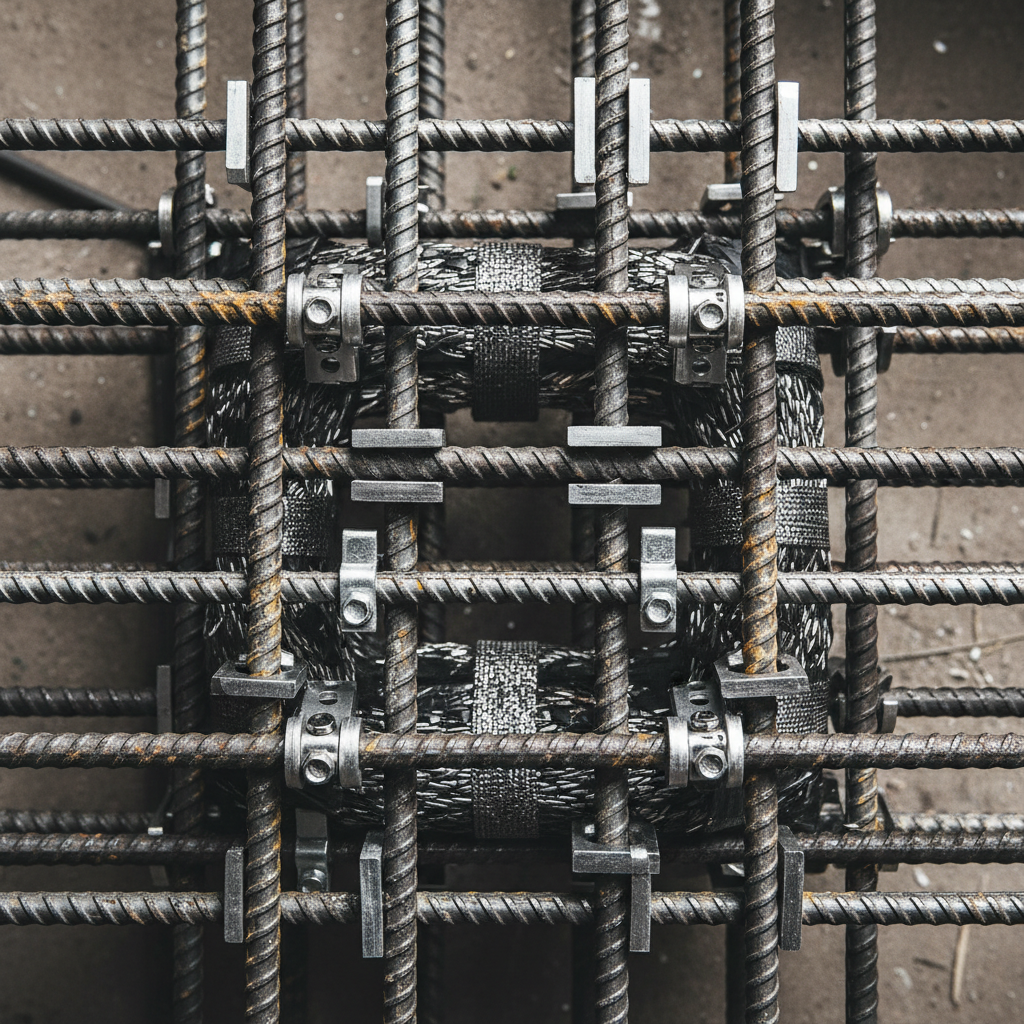
Structural reinforcement is another essential line item for Utah properties. To combat the relentless pressure of frost heave, we utilize rebar and wire mesh. While adding reinforcement increases the cost by approximately $0.40 to $2.25 per square foot, this investment prevents the steps from separating or tilting during seasonal temperature swings.
Cost Factor | Estimated Impact | Why It Matters |
|---|---|---|
Demolition | $3 - $8 per sq. ft. | Removal and disposal of old material. |
Reinforcement | $0.40 - $2.25 per sq. ft. | Prevents cracking from frost heave. |
Site Grading | Project Dependent | Protects foundation from moisture. |
Design Complexity | Variable | Curves and landings require more labor. |
Finally, the complexity of the design plays a major role. A straight run of steps is straightforward to form; however, integrated landings, wrap-around treads, or curved faces require intricate carpentry and significantly more man-hours. Projects involving these custom shapes or larger structural enhancements naturally fall at the higher end of the pricing scale. For a comprehensive breakdown of how these factors apply to your specific project, you can contact Duchesne Construction to discuss our reliable residential and commercial construction services.
The Utah Freeze Thaw Factor: Why Durability Impacts Long Term Cost
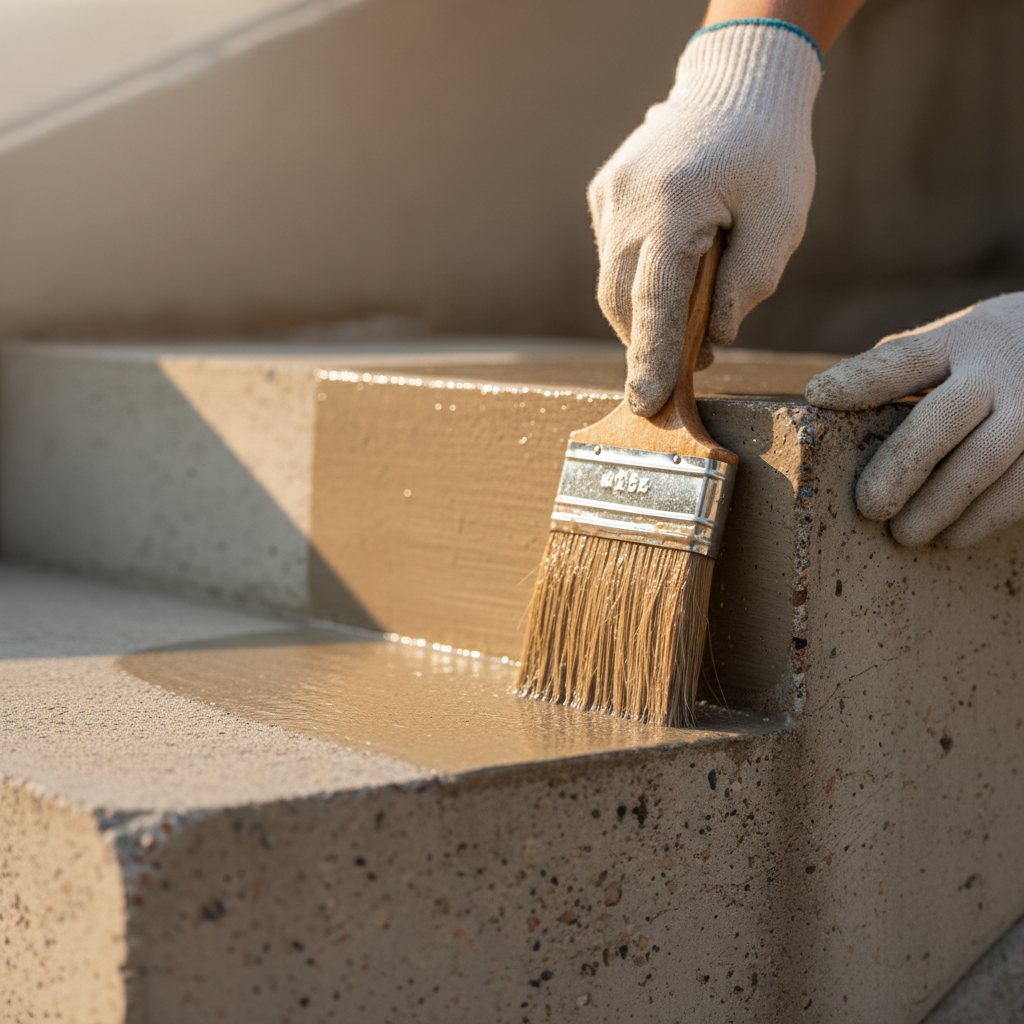
Utah's climate, particularly in high-elevation areas like Duchesne, presents a unique challenge for exterior masonry. Rapid freeze-thaw cycles occur when daytime snowmelt seeps into concrete pores and then expands as it freezes overnight. If a contractor uses a standard low-PSI mix without proper air-entrainment, the concrete steps cost may look attractive initially, but the structure will often begin to spall or crack within just two to three years.
To lower the total cost of ownership, we focus on durability through advanced material selection. Using high-PSI concrete mixes and specialized protective coatings creates a barrier against moisture intrusion. This is critical because water is the primary driver of structural degradation in our region. By investing in these higher-grade materials upfront, you avoid the recurring expense of patching or premature replacement that plagues lower-bid projects.
Duchesne Construction applies precision installation techniques specifically designed to mitigate these environmental stresses. We prioritize moisture intrusion resistance to ensure that your entry remains stable and aesthetically sound despite the local weather. Our reliable residential and commercial construction services are built around the philosophy that a structure should perform better over time with minimal maintenance. If you want to ensure your investment stands up to the Utah frost, you can contact Duchesne Construction to discuss a build plan that prioritizes longevity.
How to Make Concrete Steps Nicer with Custom Finishes
Enhancing the visual appeal of a concrete entry does not require sacrificing the structural durability required for the local climate. To make concrete steps nicer, homeowners often choose decorative treatments that balance safety with architectural style. A precision broom finish is the most common functional choice. It provides essential slip resistance during icy Utah winters without significantly increasing the overall concrete steps cost.
For a more elevated look, stamped patterns replicate the texture of natural slate, flagstone, or brick. These treatments typically increase the project budget to a range of $12 to $20 per square foot, compared to standard broom finishes. Adding integral color, where the pigment is mixed directly into the concrete rather than applied as a surface stain, ensures the hue remains consistent even if the surface experiences minor wear over decades of use.
Finish Type | Estimated Cost (per sq. ft.) | Primary Benefit |
|---|---|---|
Broom Finish | $8 - $12 | High slip resistance, cost-effective |
Integral Color | + $1 - $3 | Consistent color throughout the slab |
Stamped Pattern | $12 - $20 | Mimics natural stone or brick textures |
These aesthetic upgrades significantly improve the curb value of residential properties in Duchesne. A well designed, stamped entryway creates a cohesive architectural statement that performs better over time than basic utility steps. To explore which finish best suits your home's exterior, you can contact Duchesne Construction to discuss our reliable residential and commercial construction services.
Professional Installation Guidance: What Homeowners Should Watch For
Selecting a high-quality finish is only one part of a successful project; the underlying geometry and structural support determine if the steps remain safe for decades. When reviewing a bid, pay close attention to the proposed dimensions for the rise and run. In most residential applications, a 7-inch rise (the vertical height) and an 11-inch run (the horizontal tread depth) are standard for comfort and code compliance. Even a half-inch variation between steps creates a significant trip hazard, making precision during the forming stage a non-negotiable requirement.
While a 4-inch thick slab is the industry standard for sidewalks and patios, concrete steps require a much more robust foundation. Because steps represent a concentrated vertical load, they must be supported by deeper footings that often reach below the local frost line. This prevents the heavy concrete mass from sinking or pulling away from the house as the ground shifts. A reputable contractor will emphasize sub-grade compaction, using mechanically compacted road base rather than loose dirt to create a stable platform.
Before work begins, ask your builder about their specific compaction process and the type of sealant they intend to use. For properties in Duchesne, we recommend high-grade penetrating silane or siloxane sealers that protect against salt damage and surface scaling. These technical details are major drivers of the overall concrete steps cost. Cutting corners on footing depth or sub-grade preparation might lower the initial price, but it almost guarantees structural failure within a few seasons. Duchesne Construction provides reliable residential and commercial construction services that focus on these critical structural details. To ensure your project meets local safety standards and long-term durability goals, you can contact Duchesne Construction for expert installation guidance.
Is DIY Concrete Step Pouring Worth the Savings?
Homeowners often ask if they can pour their own steps to offset the concrete steps cost, and for a simple one-step utility pad, it is achievable. However, the technical difficulty increases exponentially with every added riser. Wet concrete exerts tremendous hydrostatic pressure, weighing approximately 150 pounds per cubic foot. Without heavy-duty bracing and precise carpentry, forms for a three or four-step entry often fail or blow out mid-pour, leading to an expensive mess that is difficult to remediate.
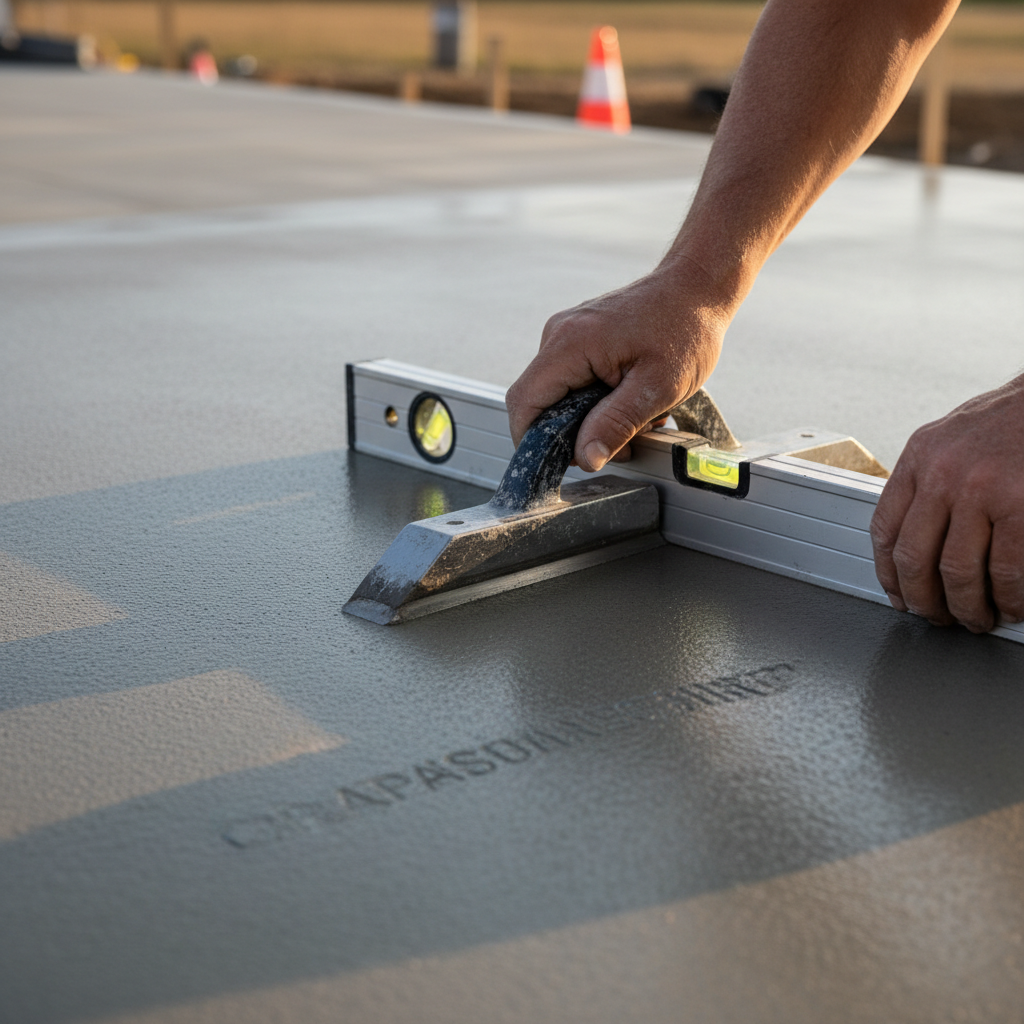
Beyond structural failure, the risk of improper drainage is significant. Achieving a precise one-eighth to one-quarter inch slope away from the house requires professional-grade leveling tools. An error here leads to water pooling against the foundation, which causes long-term structural damage. In Utah’s dry climate, the concrete also sets rapidly. Professionals have the crew size to finish the vertical faces and horizontal treads simultaneously before the material hardens. Attempting this alone often results in unsightly cold joints or a rough, unsafe surface. For projects requiring structural integrity and code compliance, utilizing reliable residential and commercial construction services ensures the work is done correctly the first time. You can contact Duchesne Construction to discuss a professional installation that avoids these common DIY pitfalls.