The average concrete slab cost ranges from $6 to $12 per square foot installed, with most homeowners paying approximately $8 per square foot for a standard four-inch residential pour. Final pricing depends on site preparation, reinforcement materials, and local labor rates for professional installation.
Planning a concrete project in Utah often begins with a single, pressing question regarding the total investment. Homeowners frequently encounter inconsistent quotes that fail to account for the unique geological demands of the Duchesne area. A cheap slab today often becomes an expensive repair tomorrow if the underlying foundation is neglected. At Duchesne Construction, we believe transparency is the bedrock of a successful build. In this guide, we provide a definitive breakdown of average costs for 2026, including specific pricing for common dimensions. You will also learn why site preparation, proper grading, and freeze-thaw management are the most critical factors in protecting your investment. By understanding these variables, you can move forward with a budget that reflects reality and a project built for long-term durability.
Average Concrete Slab Cost in Utah for 2026
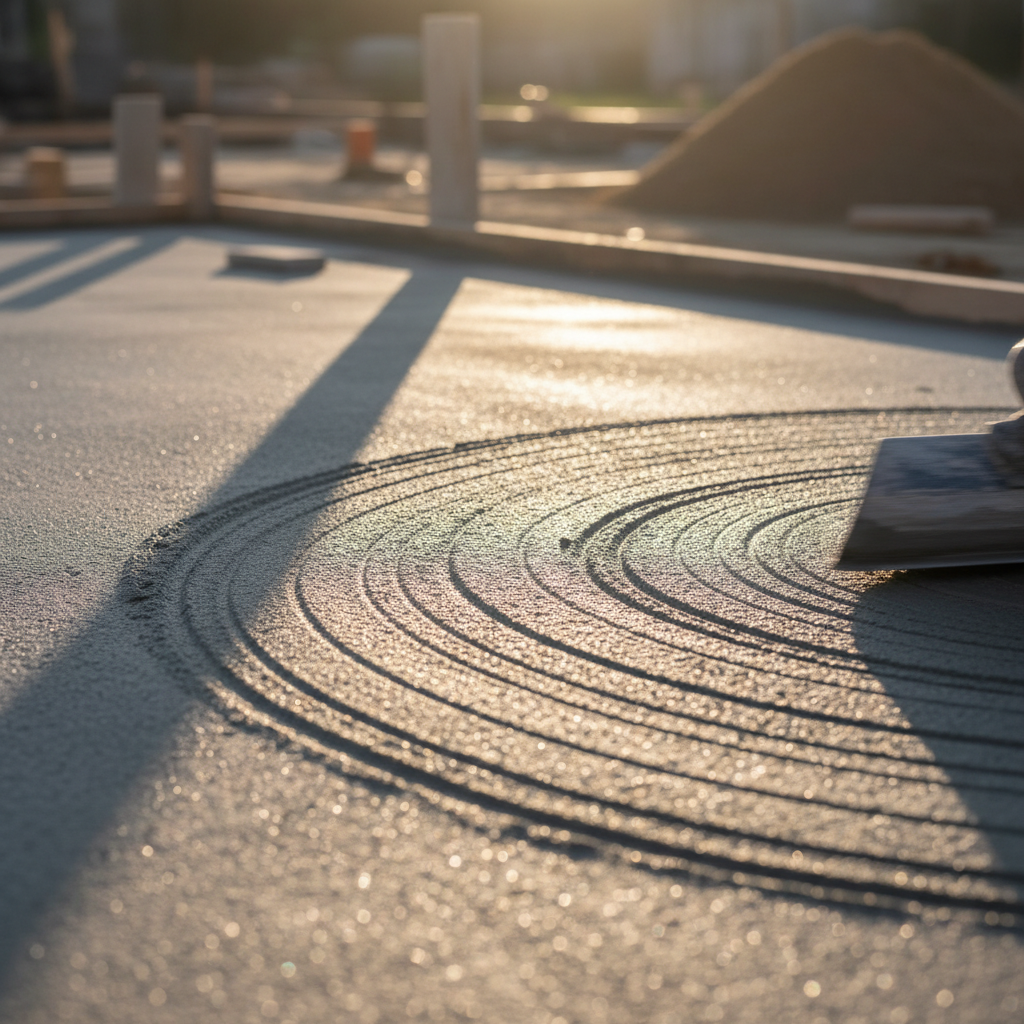
Estimating the average concrete slab cost requires a look at both regional material prices and the specific demands of the Utah landscape. While national data often suggests a range between $6 and $12 per square foot, homeowners in the Duchesne area should prepare for costs that reflect our unique environmental challenges. For high-quality, durable installations that include proper sub-grade preparation and specialized reinforcement, local prices typically land between $10 and $14 per square foot.
Slab Type | Estimated Cost (per sq. ft.) | Typical Use Case |
|---|---|---|
Utility Grade | $6.00 – $9.00 | Basic footings, temporary pads |
Residential Standard | $9.00 – $12.00 | Driveways, patios, standard garages |
Performance Grade | $12.00 – $14.00+ | Shop floors, heavy equipment pads, high-durability foundations |
Several factors drive this local variation. Logistics play a significant role; material transport to more rural or elevated sites adds to the bottom line. Furthermore, Utah’s diverse soil profiles often require more intensive excavation and base stabilization than standard national models account for. When looking at raw materials, ready-mix concrete in Utah generally ranges from $125 to $175 per cubic yard, excluding delivery fees and fuel surcharges.
It is also important to distinguish between a basic utility slab and a performance slab. A utility slab might suffice for a simple storage area in a mild climate, but Duchesne’s extreme temperature swings demand a performance-grade approach. A performance slab utilizes advanced materials and protective coatings to resist cracking and moisture intrusion. Investing in these residential and commercial construction services ensures the structure can withstand the high-desert environment. For those planning a project, reliable concrete work starts with understanding these baseline figures; you can contact our team for a quote to get a precise estimate tailored to your site’s specific topography and load requirements.
Pricing Breakdown by Common Slab Sizes
To visualize how your project fits into the local market, it helps to look at standard dimensions used in residential and commercial construction. While the price per square foot remains the primary metric, total project costs fluctuate based on mobilization requirements and the complexity of the pour. Small projects often carry a higher cost per square foot due to fixed expenses like equipment transport and site setup, whereas larger projects allow for better labor efficiency despite increased material volume.
Project Type | Dimensions (ft) | Area (sq. ft.) | Estimated Cost Range |
|---|---|---|---|
Storage Shed Slab | 10x10 | 100 | $1,200 – $1,800 |
Standard Garage or Patio | 20x20 | 400 | $4,400 – $5,800 |
Large Shop Floor | 30x40 | 1,200 | $13,200 – $18,000 |
Commercial Foundation | 40x60 | 2,400 | $26,000 – $35,000+ |
A 10x10 shed slab represents the entry point for professional installation. Even though the square footage is low, the labor involved in forming, grading, and finishing remains significant. For a standard 20x20 garage or patio, the concrete slab cost benefits from a more streamlined workflow, making it one of the most common residential requests in the Duchesne area.
As projects scale up to a 30x40 shop or a 40x60 commercial foundation, the structural requirements shift. These larger slabs typically require thickened edges, intricate rebar grids, or fiber reinforcement to handle heavier loads and prevent mid-slab cracking. While these enhancements increase the raw material cost, the sheer volume of work allows for a more optimized labor rate compared to smaller pads. When planning these larger structures, reliable concrete work is essential to ensure the sub-grade can support the increased weight of the concrete and the eventual structure. To get a detailed breakdown of how these sizes apply to your specific site conditions, you can contact our team for a quote and receive a localized assessment.
Key Factors that Influence Your Concrete Installation Quote
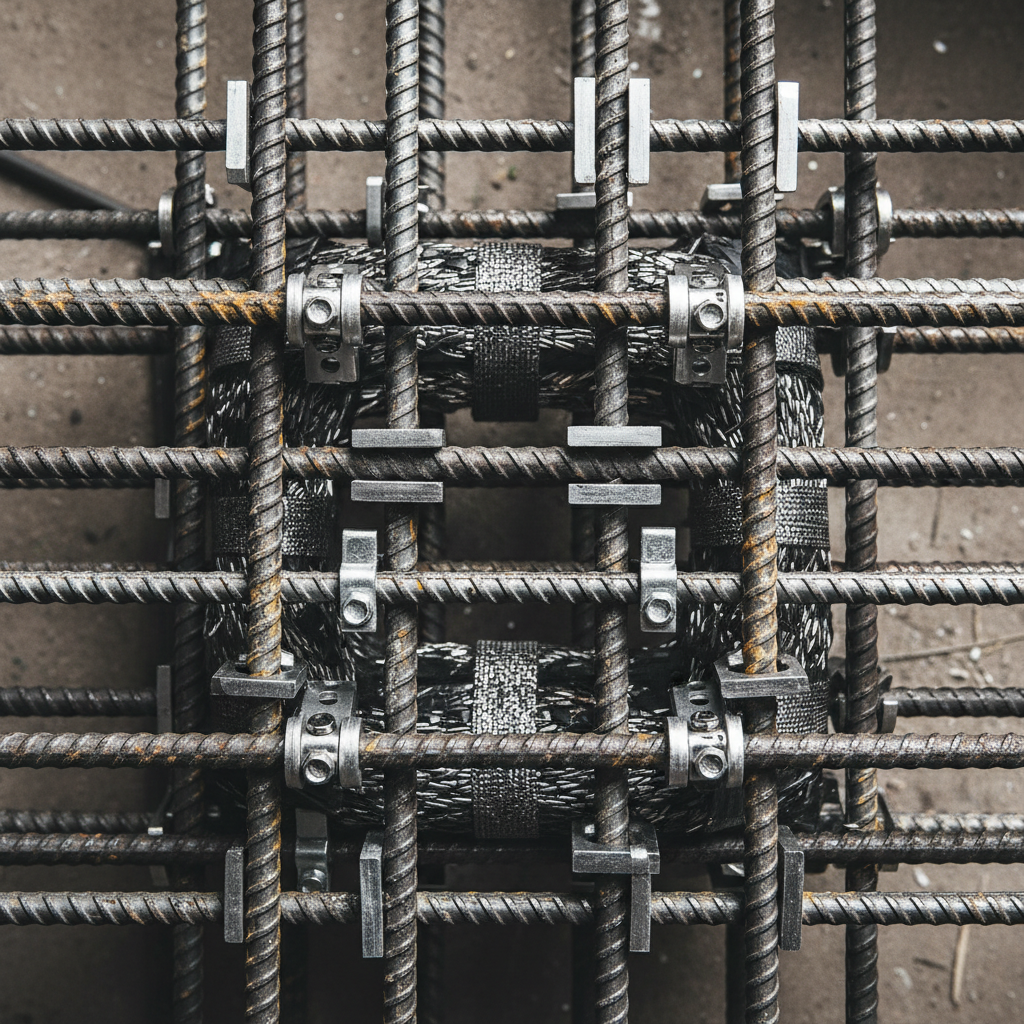
Every project estimate is built upon specific technical variables that dictate both the immediate concrete slab cost and the eventual lifespan of the structure. While size provides the baseline, the internal engineering determines how the slab handles weight and environmental stress. A standard 4 inch residential pour is sufficient for foot traffic or light vehicles, but heavy duty shops or commercial pads often require a 6 inch thickness to prevent structural failure under load.
Reinforcement strategy is another primary cost driver. While some budget quotes might rely on basic wire mesh, we typically recommend integrated rebar grids or fiber-reinforced concrete to enhance tensile strength. These structural enhancements are a specialty of our residential and commercial construction services. Although they increase the upfront investment, they significantly reduce the likelihood of deep cracking and surface degradation over time, lowering long term maintenance costs. The goal is to build a structure that performs better over decades, not just years.
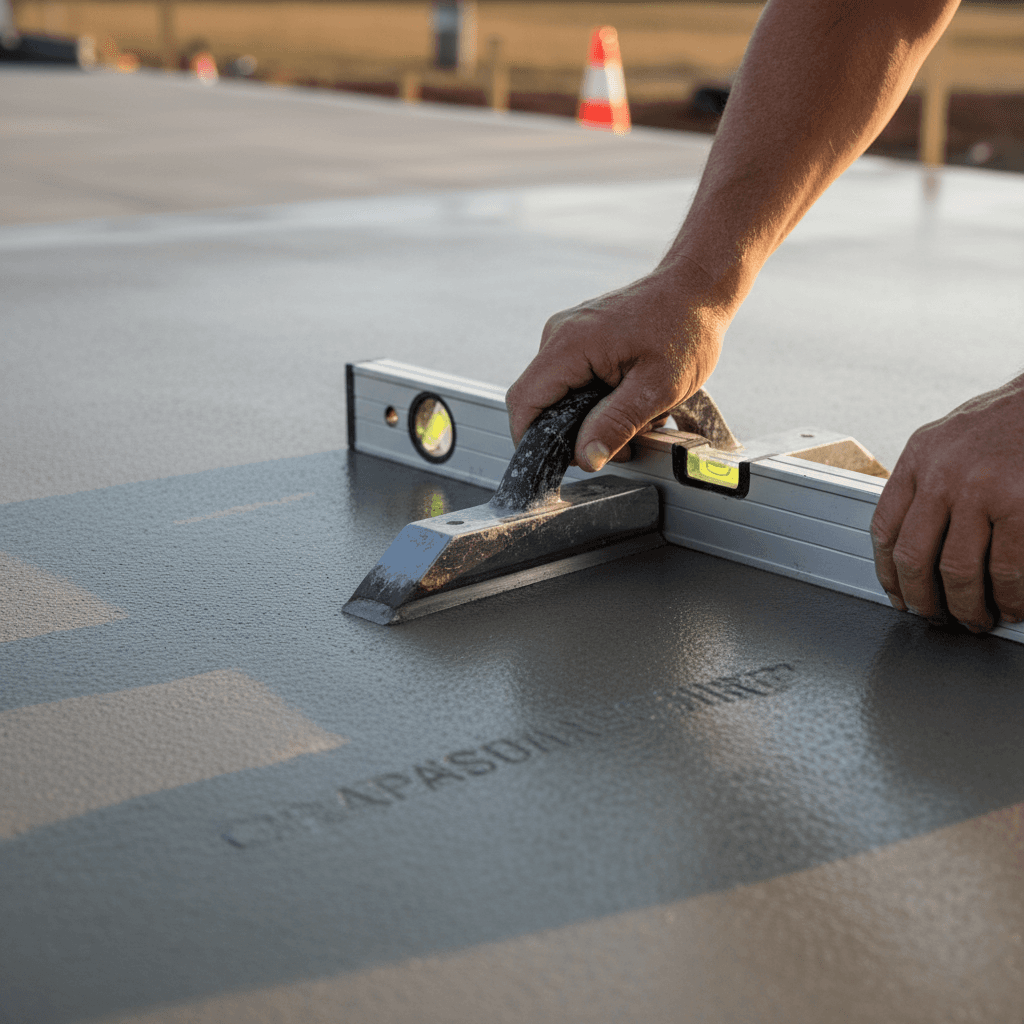
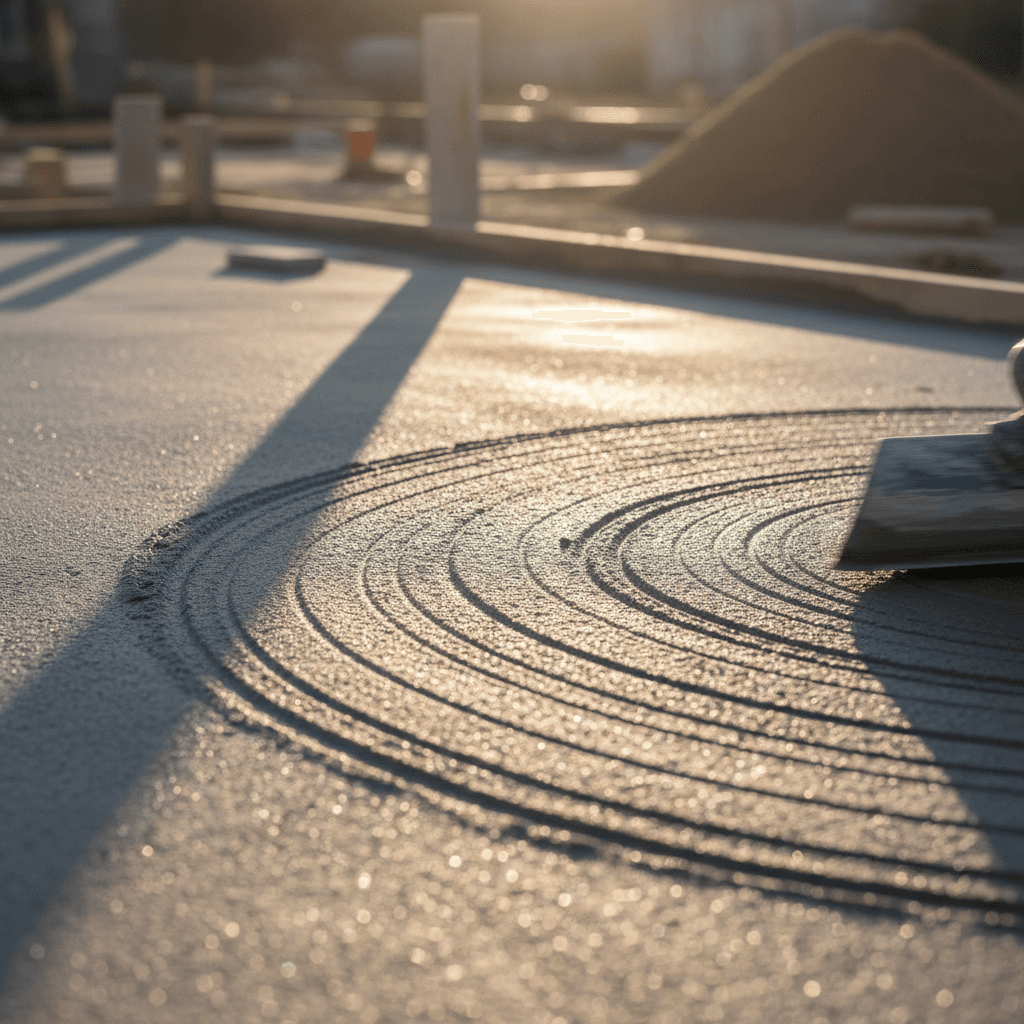
The final finish also impacts the labor hours required. A standard broom finish provides essential traction for outdoor patios and driveways, while a smooth trowel finish, common for indoor shop floors, requires additional passes with specialized equipment to achieve a glass like surface. Beyond the slab itself, site accessibility can move the needle on your quote. If a standard mixer truck cannot reach the pour site due to narrow lanes or steep terrain, a concrete pump must be brought in, which typically adds $500 to $1,000 to the project total. For a comprehensive look at how these variables apply to your property, you should contact our team for a quote to ensure your reliable concrete work is built to last.
The Essential Role of Site Preparation and Base Materials
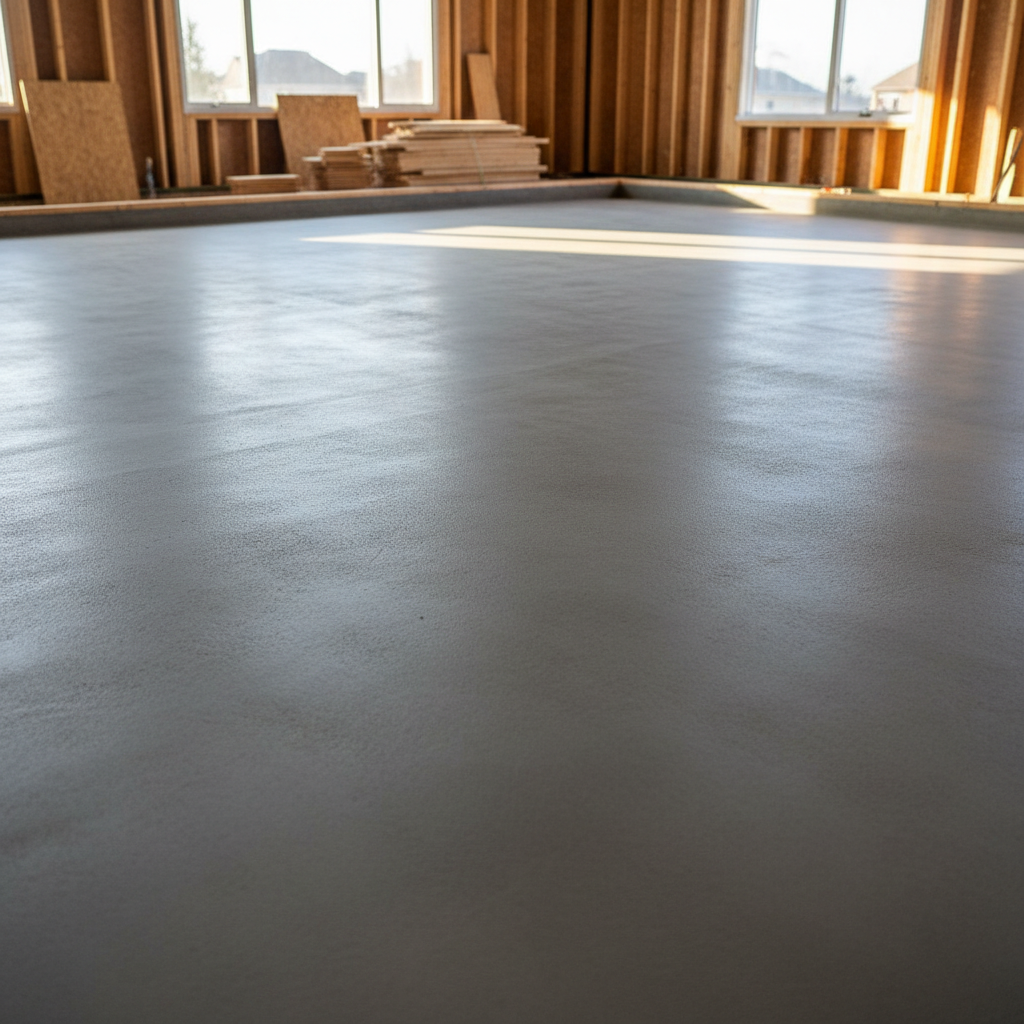
A concrete slab is only as durable as the ground supporting it. While finishing techniques are visible, the "unseen" work beneath the surface determines the long term performance of the structure. Proper site preparation begins with clearing all organic vegetation and topsoil, which can decompose over time and create unstable voids. We then excavate to a precise depth to accommodate the native soil conditions found in Duchesne.
Native Utah soils often contain high clay content or loose deposits that require rigorous mechanical compaction to prevent future settling. We typically install a 4 to 6 inch layer of crushed gravel or road base, which provides a stable platform and improves drainage. This base must be compacted in layers to ensure maximum density. Skipping this step is the most common cause of slab failure.
Lower bids for a project often reflect a lower concrete slab cost because the contractor skips these labor intensive steps. Neglecting the base leads to uneven weight distribution and premature cracking as the earth shifts under the weight of the pour. Our residential and commercial construction services focus on these foundational details to protect your investment. By prioritizing high quality sub-grade work, we provide reliable concrete work that resists surface degradation. To ensure your project starts on solid ground, you can contact our team for a quote that includes a full site assessment.
Why Drainage and Grading Are Non Negotiable in Duchesne
In Duchesne’s high-desert environment, managing water is just as critical as the concrete mix design itself. Proper grading ensures that snowmelt and heavy seasonal rains move away from the slab rather than collecting beneath it. We strictly adhere to the professional standard of at least a 1/8 inch drop per foot of slope. This precise pitch ensures that moisture cannot pool against the edges of the concrete or saturate the compacted sub-grade.
When grading is neglected, water accumulates near the foundation, accelerating soil erosion and leading to structural failure as the supporting earth softens and shifts. This oversight frequently inflates the long-term concrete slab cost by necessitating expensive retrofitting or mudjacking later on. Our residential and commercial construction services incorporate advanced topographical assessments and precision installation techniques to mitigate these risks. By prioritizing these reliable concrete work practices, we safeguard your property against the unique hydraulic pressures of the Uintah Basin. To ensure your project handles runoff correctly from the start, contact our team for a quote today.
Managing the Freeze Thaw Cycle for Long Term Durability
Effective drainage prevents water pooling, but the thermal stress of a Utah winter requires internal resilience. When moisture infiltrates the sub-grade, the subsequent freezing causes water to expand by roughly nine percent. This creates immense upward pressure, known as frost heave, which can snap a slab that lacks proper elasticity or reinforcement. In Duchesne, where temperatures regularly swing between extremes, this cycle can occur dozens of times in a single season, leading to premature structural failure.
To combat these forces, we utilize air-entrained concrete. This specialized mix contains billions of microscopic air bubbles that act as internal pressure relief valves. These voids allow freezing water to expand into the tiny pockets without fracturing the concrete matrix. We also adhere to the 4-2-1 rule, a precise ratio of four parts crushed stone, two parts sand, and one part cement. This specific proportion ensures the mix density is optimized for structural integrity and durability in high-desert climates.
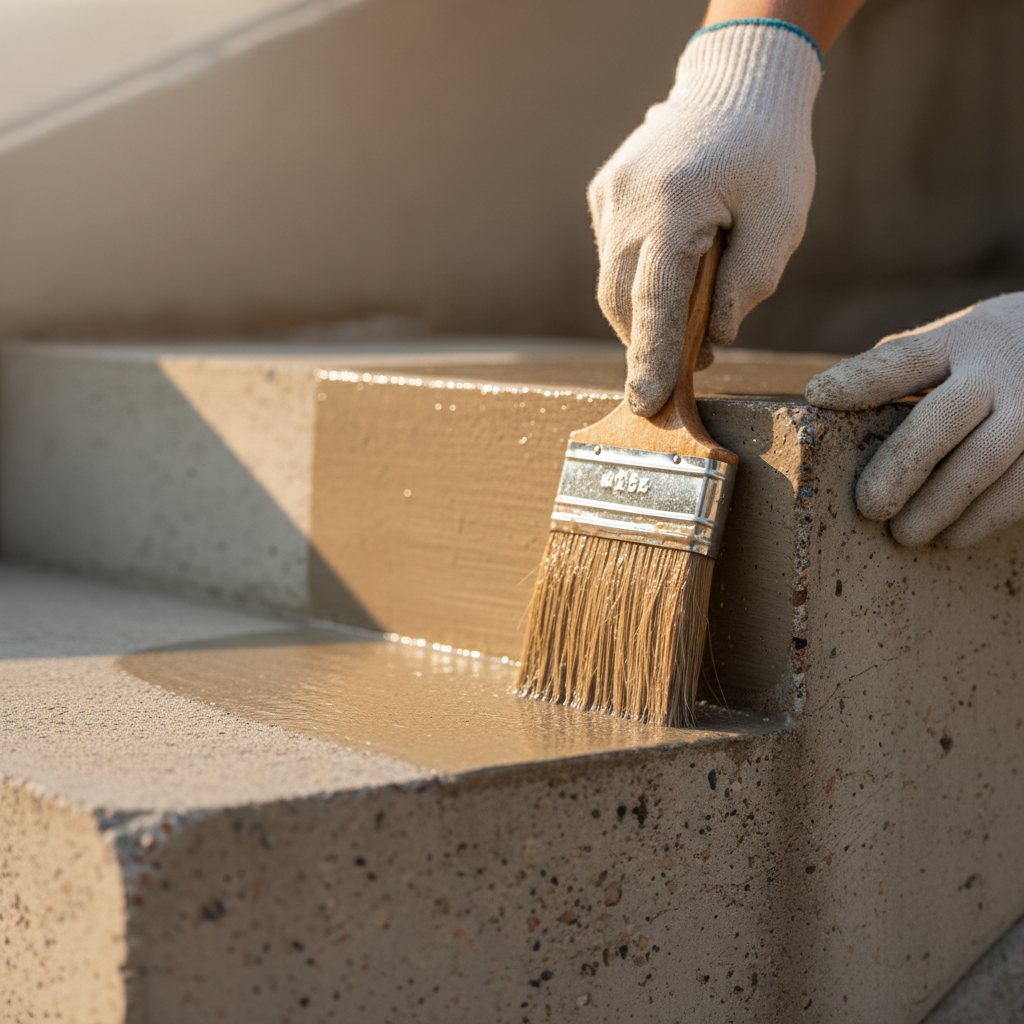
Our residential and commercial construction services go a step further by integrating advanced surface treatments and protective coatings. These modern materials seal the pores of the concrete, effectively blocking moisture intrusion from the surface. While these additives and specialized finishes might slightly adjust the initial concrete slab cost, they are essential for avoiding the scaling and spalling common in the Uintah Basin. Investing in reliable concrete work means your building requires less maintenance and performs better over decades of seasonal transitions. To ensure your project is engineered for Utah’s specific climate, contact our team for a quote and a technical consultation.
Professional Installation vs DIY: Evaluating the Real Costs
The question of whether a property owner can pour their own slab frequently arises when analyzing the total concrete slab cost. While a DIY approach may appear to save money on labor, the reality involves significant hidden expenses and technical risks. A successful pour requires specialized rental equipment, including power screeds, vibrators, and finishing tools, along with the logistical challenge of coordinating ready-mix delivery. In the dry, high-altitude air of Duchesne, concrete sets rapidly. An inexperienced individual often struggles to finish the surface before it hardens, leading to structural weaknesses and aesthetic flaws.
Expense Category | DIY Considerations | Professional Advantages |
|---|---|---|
Equipment | Daily rental fees for floats, mixers, and saws. | Integrated professional machinery and safety gear. |
Material | Higher risk of over-ordering or batch spoilage. | Precise volume calculation and specialized additives. |
Labor | Intense physical strain; risk of cold joints. | Efficient crew coordination and precision timing. |
Risk | No warranty against cracking or scaling. | Guaranteed drainage and structural integrity. |
A "bad pour" in the Uintah Basin is a costly mistake. Improperly finished surfaces are prone to scaling, while poor compaction leads to deep structural cracking during the freeze thaw cycle. Fixing these errors typically requires full demolition and removal, which can cost double the original installation price. Our residential and commercial construction services utilize advanced building technology and precision techniques to ensure every pour meets local engineering standards. By choosing reliable concrete work from the start, you benefit from a structure designed for long term performance and minimal maintenance. For a professional assessment that prioritizes safety and efficiency, contact our team for a quote and ensure your investment is built to last.