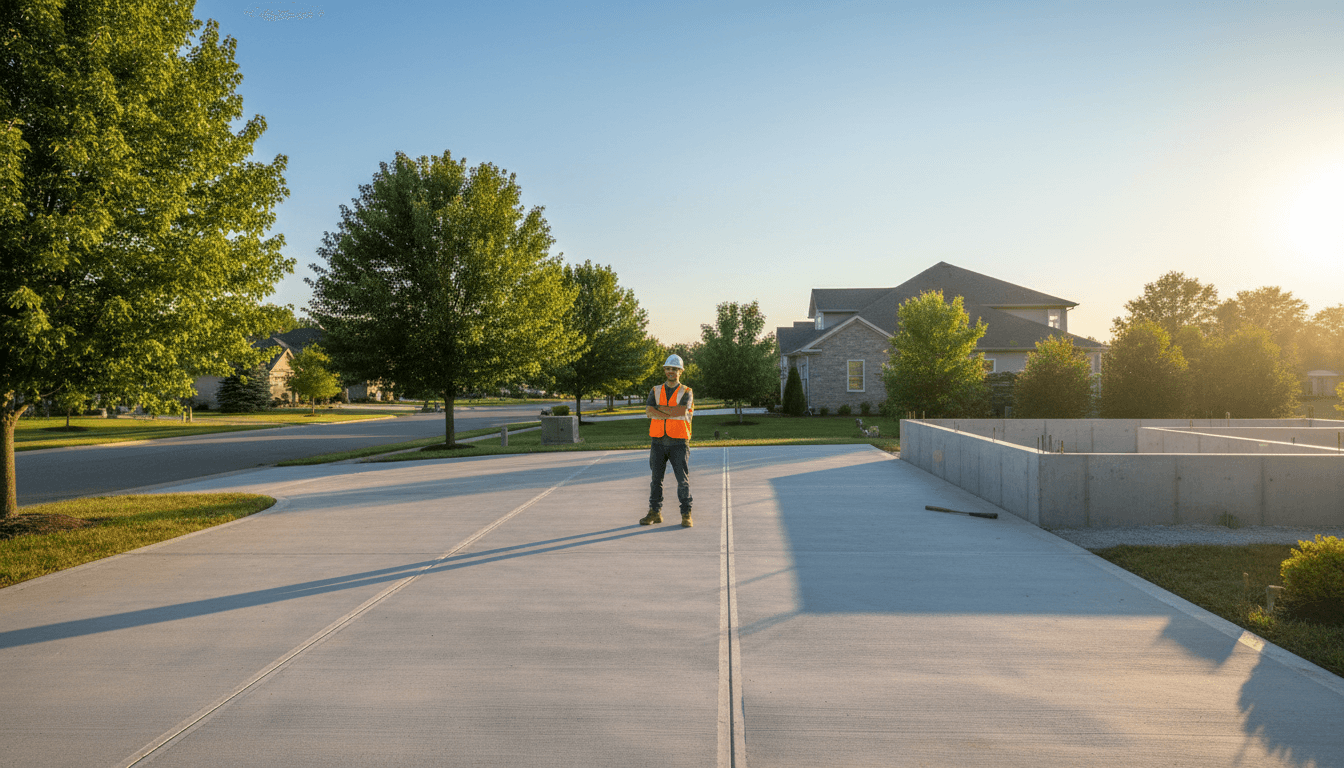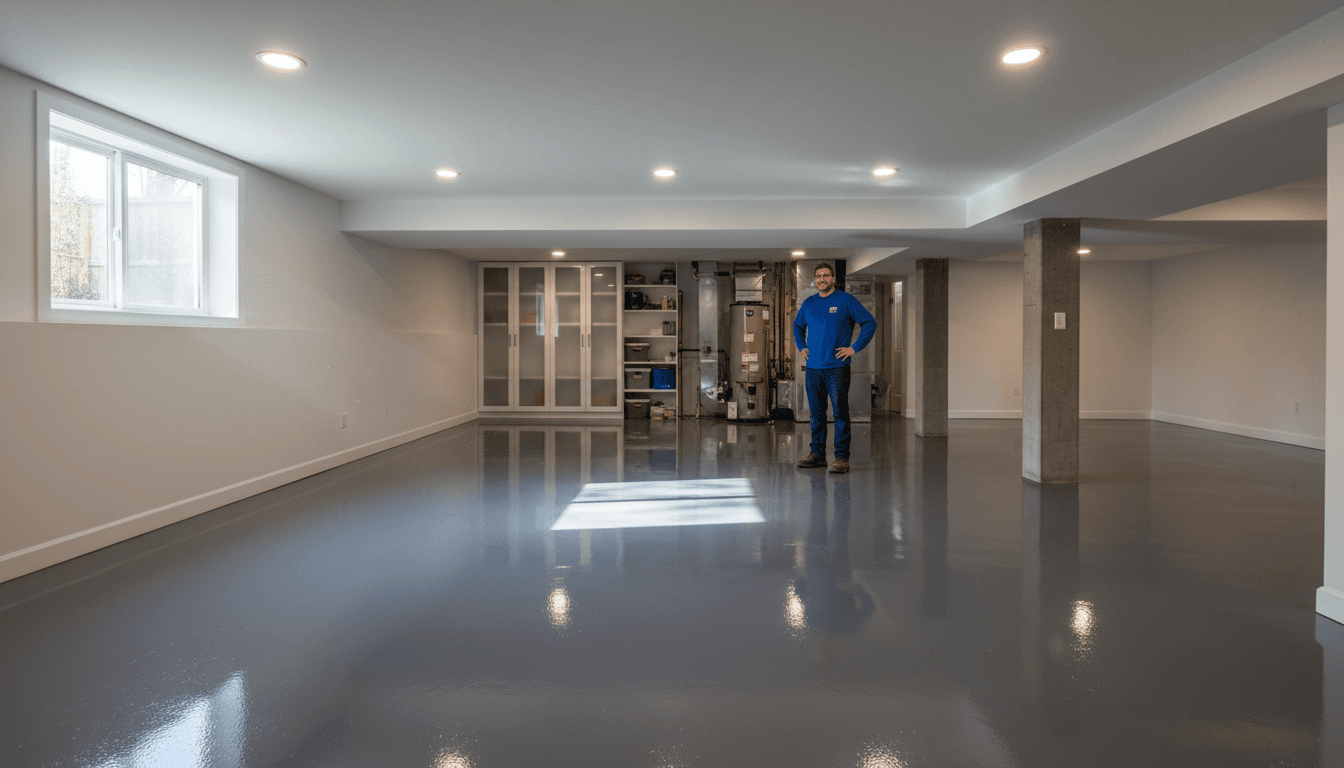
Homeowners can maximize the concrete surface treatments lifespan residential by applying high-performance sealers and utilizing advanced concrete finishing techniques to create a durable protective barrier. Regular maintenance using polyaspartic or epoxy coatings prevents moisture penetration and surface degradation; these methods ensure long-term resilience against environmental elements.
Homeowners often view concrete as an indestructible foundation, yet they are frequently disappointed when driveways and garage floors begin to pit, stain, or crack prematurely. These visible failures are not just aesthetic issues; they represent a fundamental breakdown of your property's structural resilience. Understanding the lifespan of residential concrete surface treatments is essential for any homeowner looking to protect their long term investment. At Duchesne Construction, we prioritize precision and material science to combat the natural vulnerabilities of porous surfaces. In this guide, we will analyze the evolution of residential durability, compare the performance of polyurea and polyaspartic coatings against traditional sealers, and explore the advanced installation techniques required to maximize longevity. By moving beyond basic maintenance and toward engineered protection, you can ensure your concrete remains functional and pristine for decades to come.
The Evolution of Residential Concrete Durability
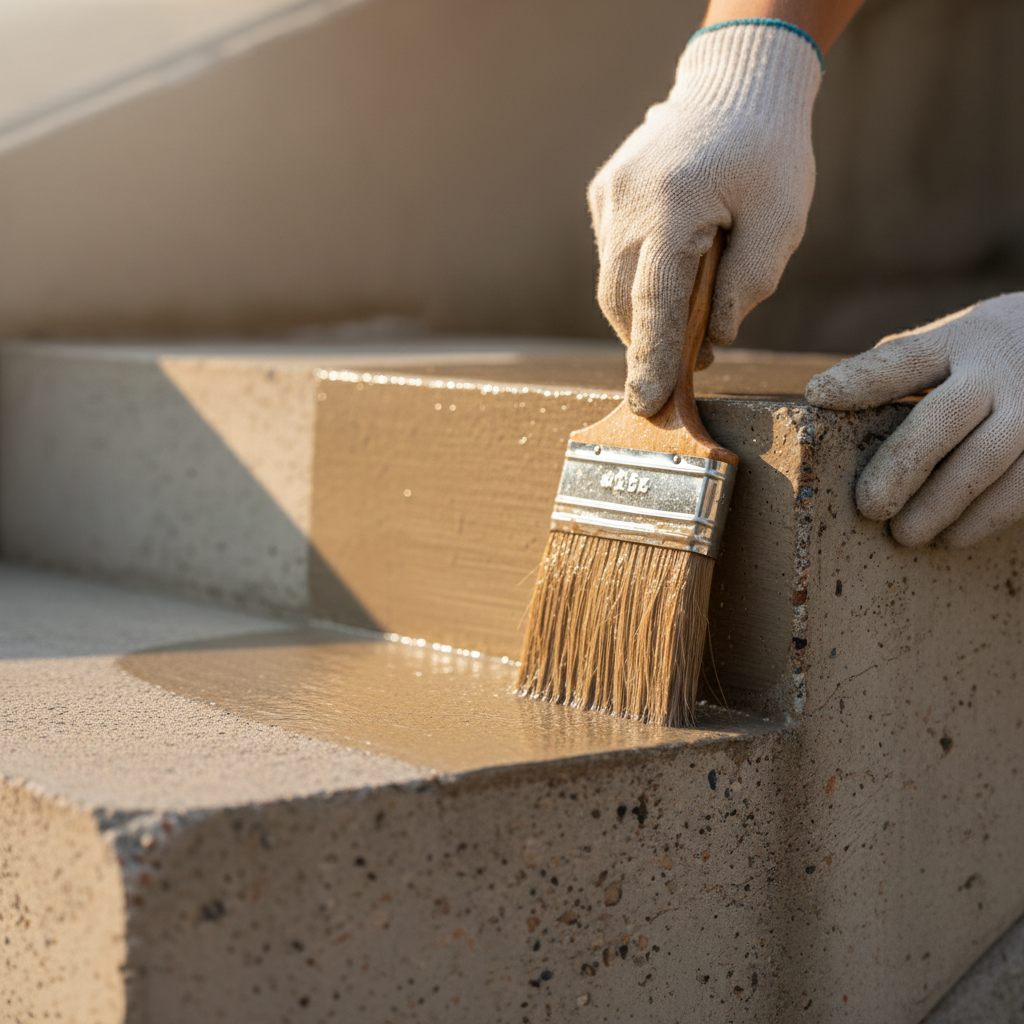
Homeowners often view concrete as a static, permanent material, yet its true nature is highly porous and susceptible to environmental decay. Without intervention, moisture, salts, and temperature fluctuations eventually degrade even the most solid slabs. The modern construction landscape has shifted significantly; the industry no longer views finishes as mere cosmetic additions but as essential components of structural preservation. This evolution is central to understanding the concrete surface treatments lifespan residential projects require today. By prioritizing long term performance over simple aesthetics, we can significantly delay the natural cycle of erosion and cracking.
The global demand for these technologies is rising rapidly, with the protective coatings market projected to grow from $14.8 billion in 2025 to $24.2 billion by 2033. This growth reflects a broader realization that standard 3,000 PSI concrete often falls short of meeting modern durability needs in challenging climates. At Duchesne Construction, we integrate these advancements to move beyond basic material limits. Through precision installation techniques and the use of high performance admixtures, we ensure that residential structures are built to withstand more than just their design loads. We focus on creating a barrier that protects the integrity of the concrete from the moment it is poured, ensuring we provide reliable residential and commercial construction services that endure for decades.
Understanding the Science of Concrete Vulnerability
In the high desert and mountain environment of Duchesne, Utah, residential concrete faces unique stressors that accelerate degradation. Standard concrete is inherently capillary; it contains a network of microscopic voids and pores. Untreated slabs act essentially like a dense sponge, pulling moisture from the soil and atmosphere deep into the matrix. In our climate, this absorbed water undergoes rapid freeze-thaw cycles. When water freezes, it expands by approximately 9 percent, creating immense internal hydraulic pressure. This pressure eventually exceeds the tensile strength of the concrete, resulting in the spiderweb cracking and surface scaling that many homeowners dread.
Beyond physical expansion, concrete is vulnerable to carbonation and surface abrasion. Carbonation occurs when atmospheric carbon dioxide penetrates the pores; it reacts with calcium hydroxide to lower the material’s alkalinity. This chemical shift can eventually reach internal steel reinforcement, triggering oxidation and significant structural degradation. Surface wear, by contrast, is often caused by mechanical friction from vehicles or wind-blown debris, which strips away the cement paste and exposes the aggregate underneath.
Distinguishing between these types of damage is critical for determining the proper precision installation techniques required for prevention. While surface wear affects aesthetics and slip resistance, structural degradation compromises the load-bearing integrity of the slab. By mitigating these vulnerabilities through proactive management, the concrete surface treatments lifespan residential owners expect is achievable even in harsh Utah winters. Utilizing reliable residential and commercial construction services ensures that these environmental threats are addressed before they lead to costly full-scale replacements.
Advanced Sealers versus High Performance Coatings
Homeowners often ask if professional driveway or garage floor coatings are worth the initial expense. When evaluating the concrete surface treatments lifespan residential projects require in the Duchesne area, the answer lies in the distinction between temporary aesthetics and long term structural preservation. Choosing the right product depends on whether the goal is simple water repellency or a comprehensive shield against mechanical and chemical damage.
Penetrating sealers represent the first tier of protection. These treatments, typically silanes or siloxanes, migrate into the concrete pores to create a hydrophobic chemical barrier. They are highly effective at preventing deep moisture intrusion while maintaining the natural appearance of the slab; however, they offer limited defense against surface abrasion or staining from vehicle fluids. These are best suited for vertical surfaces or low traffic areas where moisture is the primary threat.
In contrast, high performance topical coatings like epoxy and polyurethane systems function as a thick physical shield. Unlike basic acrylic sealers, which are thin and prone to wearing away within a few seasons, advanced coatings provide a sacrificial layer that absorbs impact and resists caustic chemicals. Research indicates that these high performance systems offer superior impact durability compared to thin sealants, making them essential for work environments and garages.
Treatment Type | Mechanism | Primary Benefit | Durability Level |
|---|---|---|---|
Penetrating Sealer | Internal Chemical Barrier | Moisture and Salt Resistance | Moderate |
Acrylic Coating | Thin Topical Film | UV Resistance and Aesthetics | Low |
Epoxy/Polyurethane | Heavy Physical Shield | Chemical and Impact Resistance | High |
For those seeking reliable residential and commercial construction services, selecting the appropriate system is the first step. Achieving the maximum possible protection requires precision installation techniques to ensure the bond between the substrate and the treatment remains intact under the pressure of Utah's temperature swings and heavy vehicle use.
Why Polyurea and Polyaspartic Treatments are the Modern Standard
While traditional epoxies served the industry for years, polyurea and polyaspartic technologies have redefined expectations for durability in Utah’s climate. The primary limitation of epoxy is its inherent rigidity. In Duchesne, where temperature swings are dramatic, concrete slabs undergo significant thermal expansion and contraction. A rigid coating often shears away from the substrate or develops hairline fractures when the concrete moves. Polyurea, by contrast, is an elastomeric material. This flexibility allows the coating to move in tandem with the slab, which significantly extends the concrete surface treatments lifespan residential projects need to survive local freeze-thaw cycles.
Utah’s high altitude also presents a unique challenge: intense ultraviolet (UV) radiation. Standard epoxies are prone to ambering or chalking when exposed to direct sunlight, causing the material to become brittle and eventually flake away. Polyaspartic coatings are inherently UV stable, maintaining their clarity and structural bond even under prolonged exposure to the high desert sun. This makes them the ideal choice for outdoor patios, pool decks, and garage aprons.
Feature | Standard Epoxy | Polyurea/Polyaspartic |
|---|---|---|
UV Resistance | Poor (Yellows/Brittles) | Excellent (Stable) |
Flexibility | Rigid | High (Elastomeric) |
Cure Time | 24 to 72 Hours | 4 to 8 Hours |
Impact Resistance | Moderate | High |
For busy households, the efficiency of these systems is a major advantage. While some epoxies require days to fully cure, polyaspartic treatments can often be applied and ready for foot traffic within a single day. Achieving these results requires precision installation techniques to manage the rapid cure rates effectively. By utilizing these advanced materials, our reliable residential and commercial construction services provide a finish that is not only significantly stronger than epoxy but also more resilient to the specific environmental pressures found in Duchesne.
Extending the Lifespan of Concrete Foundations
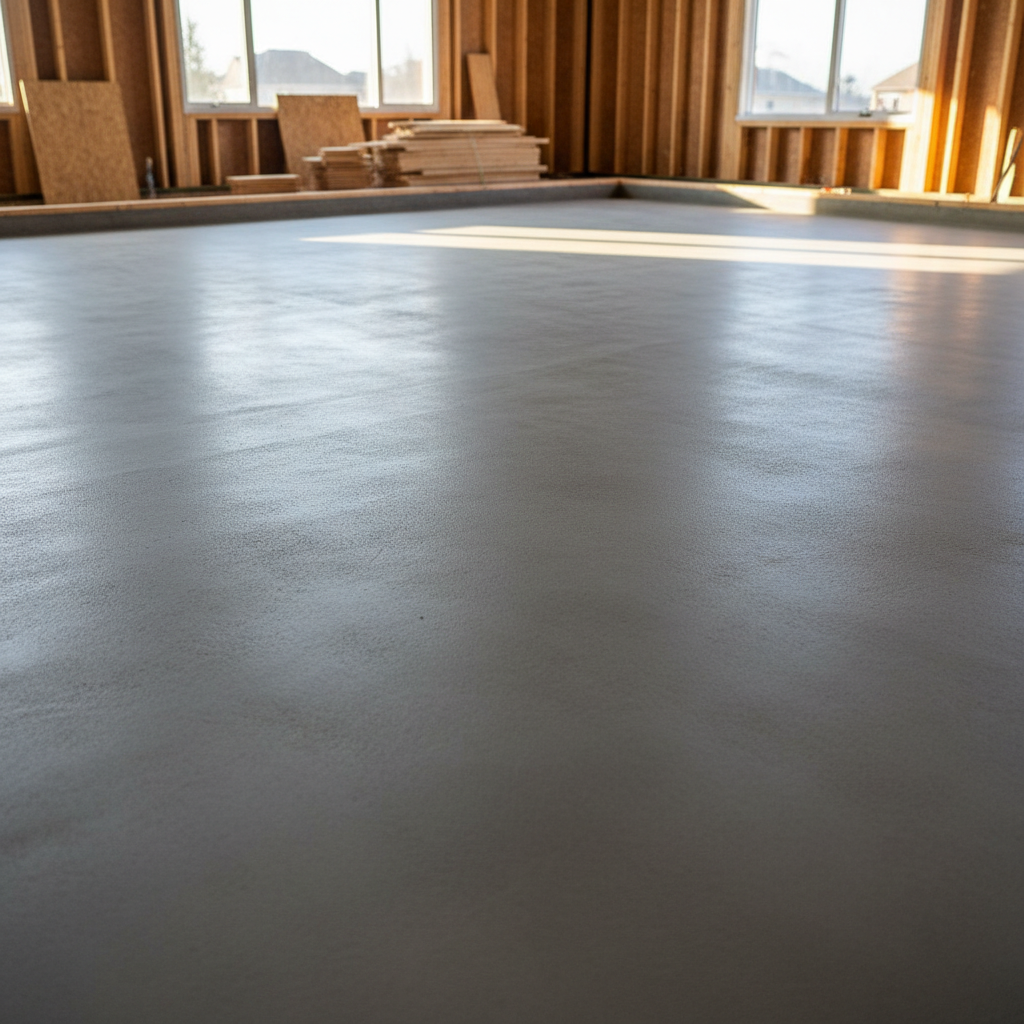
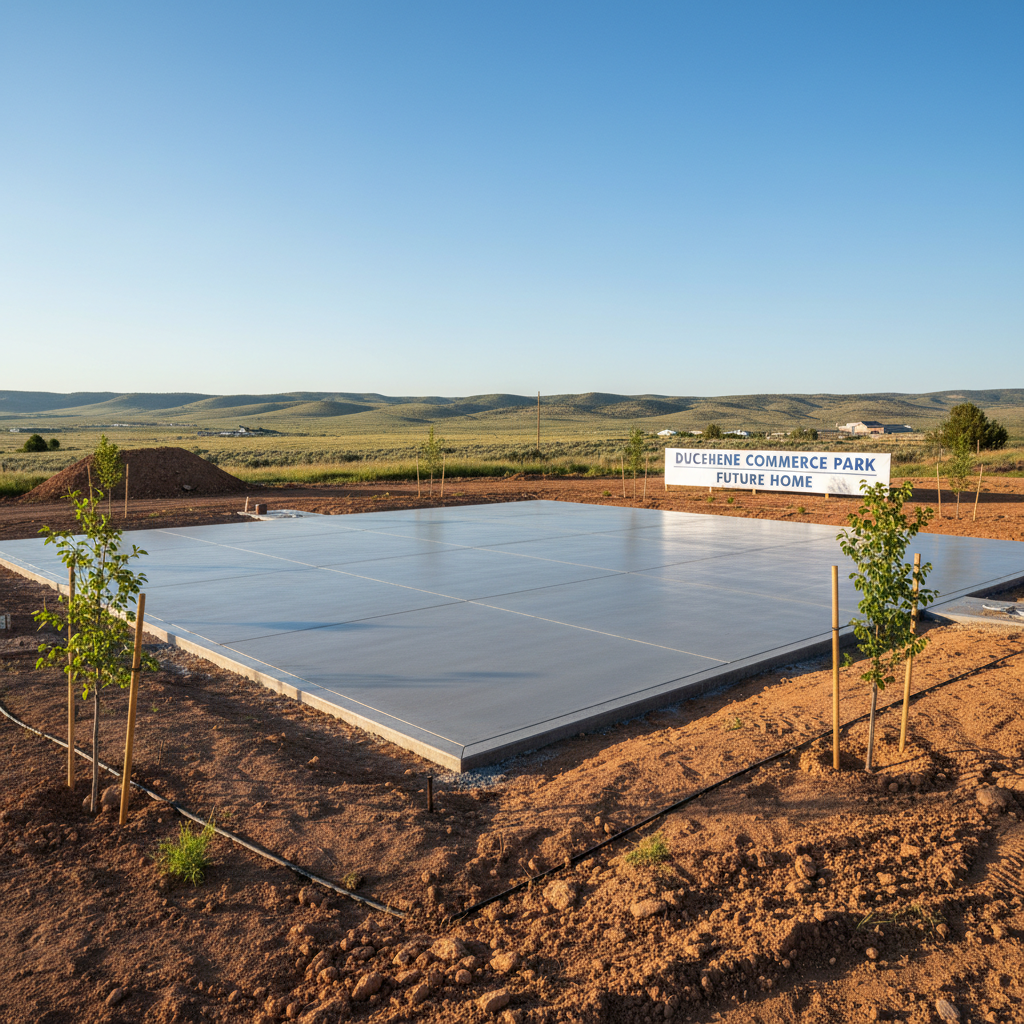
A standard residential foundation typically has a lifespan of roughly 100 years, but environmental stressors often shorten this timeline. In Duchesne, the soil composition and fluctuating water tables require more than just basic pouring to ensure longevity. To truly maximize the concrete surface treatments lifespan residential owners expect, we focus on deep-level protection using crystalline waterproofing and advanced moisture barriers. Unlike topical coatings, crystalline treatments react with cement particles to create a permanent, non soluble barrier within the pores. This technology effectively blocks water ingress and helps mitigate the risk of radon gas infiltration, which is a vital safety consideration for regional homeowners.
Before we begin any application, we employ modern diagnostic equipment to assess the current health of the structure. We utilize moisture meters and non-invasive sensors to identify hidden voids or structural weaknesses that are invisible to the naked eye. This data-driven approach allows us to apply precision installation techniques that are tailored to the specific chemical and physical state of the concrete. By reinforcing the foundation with these modern materials, we provide reliable residential and commercial construction services that extend the structural viability of a home far beyond the century mark.
The Future of Concrete: Self Healing and Graphene Enhancements
As the industry moves toward 2026 construction trends, the definition of durability is shifting from passive protection to active recovery. While high performance coatings provide a vital exterior shield, self healing concrete offers an internal mechanism to combat the inevitable micro cracks caused by Utah’s freeze thaw cycles. This technology utilizes embedded bacteria or microscopic capsules that remain dormant until a fracture occurs. Once moisture enters the crack, these agents activate to autonomously produce limestone, sealing the breach before it can compromise the structural matrix. By preventing early stage water ingress, these advancements fundamentally alter the concrete surface treatments lifespan residential properties can achieve, effectively reducing the frequency of secondary repairs.
Parallel to biological solutions, graphene infused concrete is emerging as a transformative material for high performance residential builds. Research indicates that incorporating graphene makes the concrete matrix 2.5 times stronger and 4 times more resistant to water penetration compared to standard mixes. For homeowners in the Uinta Basin, this means a slab that is inherently less porous and better equipped to handle heavy mechanical loads and chemical exposure. By integrating these modern building technologies with reliable residential and commercial construction services, Duchesne Construction ensures that local projects benefit from the latest scientific breakthroughs in material science, setting a new benchmark for structural longevity.
Precision Installation: The Key to Lifespan Performance
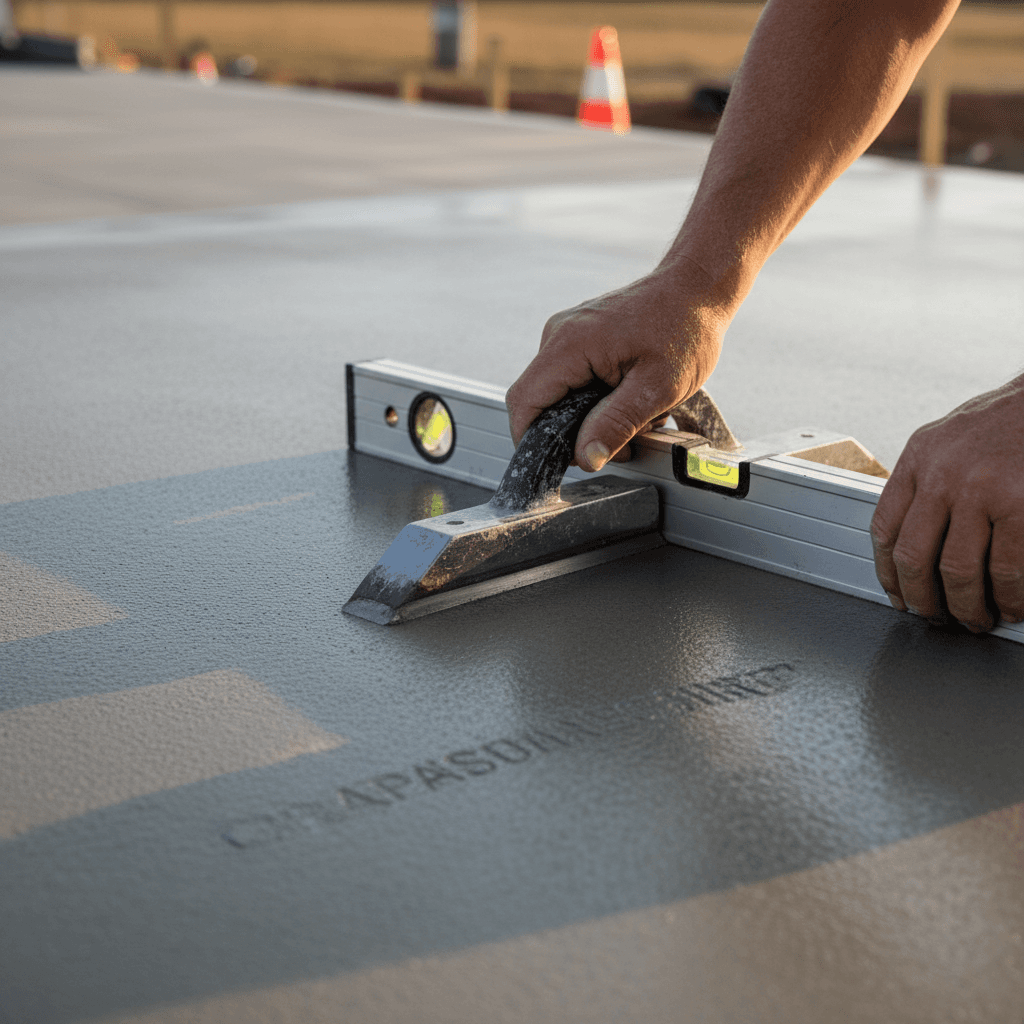
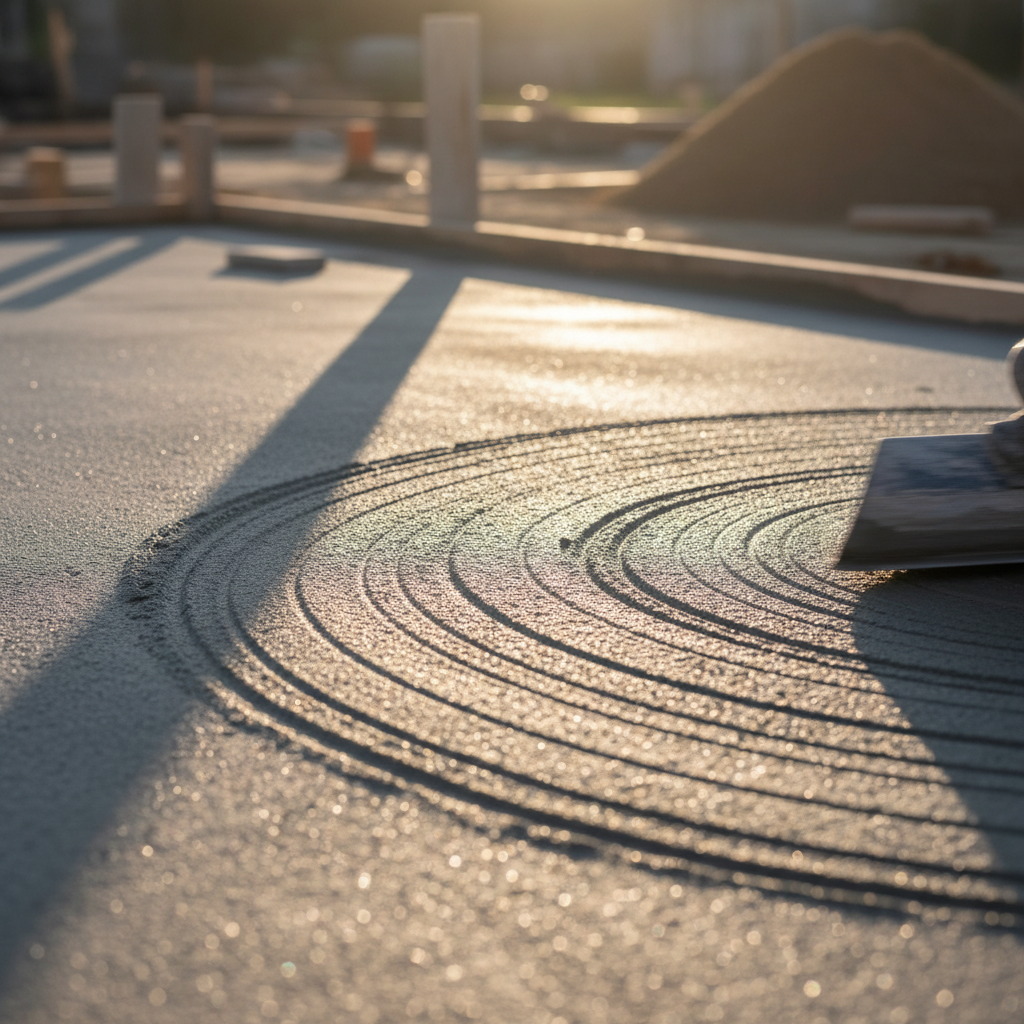
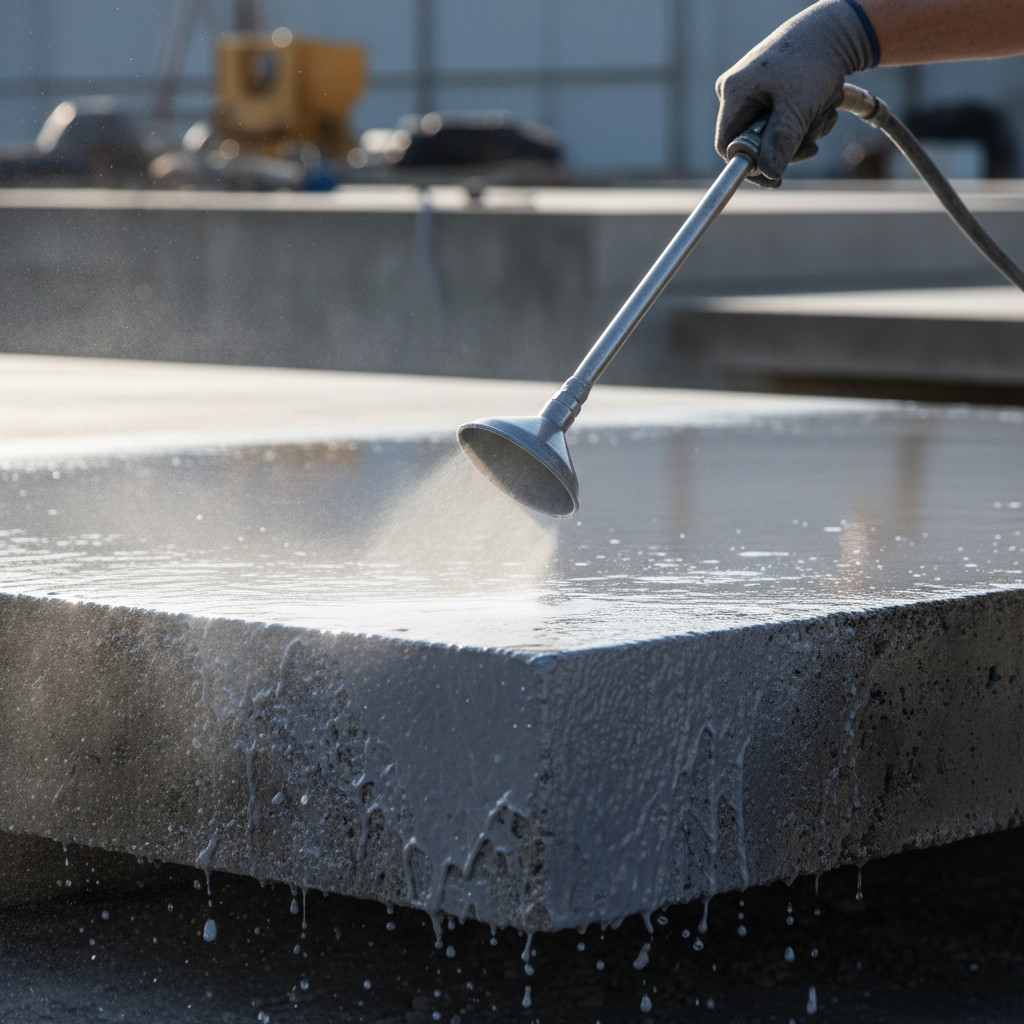
The most advanced polyaspartic or self healing materials will fail prematurely if they cannot achieve a mechanical bond with the substrate. Surface preparation is the most critical phase in maximizing the concrete surface treatments lifespan residential projects require. We move beyond simple pressure washing by utilizing mechanical diamond grinding to strip away the laitance, which is the weak, brittle layer of cement paste that rises to the top during the pour. This process creates a specific surface profile that allows the coating to anchor deeply into the concrete matrix.
Local soil conditions and high desert temperature swings in Duchesne require rigorous moisture testing before any treatment is applied. Excessive vapor transmission from the ground can delaminate even the strongest epoxy. We employ precision installation techniques that include electronic moisture impedance meters to verify the slab is dry enough for application. Managing the timing of the pour and the trowel finish is equally important; over-troweling can seal the surface too tightly, preventing treatments from penetrating or bonding correctly.
Our deep understanding of Utah's climate ensures that we account for the dew point and substrate temperature during the curing process. By combining these reliable residential and commercial construction services with site specific data, we guarantee a permanent bond that resists the unique pressures of the Uinta Basin. For a consultation on your next project, contact our Duchesne team to learn more about our durability focused approach.
Protecting your concrete surfaces through consistent maintenance and sealing is the most effective way to preserve their beauty and strength over time. These simple routines prevent minor issues from becoming costly repairs; however, professional application can make a significant difference in the longevity of the treatment. If you want expert help to navigate these options for your home, you can learn more about our commitment to quality craftsmanship and our local roots. We are proud to serve the Duchesne community with reliable service.